Raspberry leaf tea benefits:
Raspberry leaf tea is a herbal infusion made from the leaves of the raspberry plant. While commonly associated with pregnancy and childbirth, raspberry leaf tea offers several other health benefits as well.
1. Hormonal balance: Raspberry leaf tea is known for its ability to support hormonal balance in women. It contains compounds that help regulate estrogen levels, which can be helpful for managing symptoms of PMS (premenstrual syndrome) such as cramps, bloating, and mood swings.
2. Menstrual health: Regular consumption of raspberry leaf tea may help alleviate heavy menstrual bleeding and reduce painful periods. The uterine tonic properties of this herbal brew are believed to strengthen the muscles in the uterus, leading to a more regulated menstrual cycle.
3. Pregnancy support: Raspberry leaf tea is often recommended during pregnancy due to its potential benefits for expectant mothers. It is believed to tone the uterus and prepare it for labor by strengthening contractions during childbirth.
4. Labor induction: Some midwives suggest drinking raspberry leaf tea in late pregnancy to help stimulate labor naturally when approaching or past the due date. However, it’s important to consult with a healthcare professional before using any natural remedies for inducing labor.
5. Postpartum recovery: After giving birth, women can continue consuming raspberry leaf tea as part of their postpartum care routine. This herbal infusion aids in toning the uterus and promoting faster healing after delivery.
6.Circulatory health: Raspberry leaves contain antioxidants that support cardiovascular health by reducing inflammation and improving blood circulation throughout the body.
7.Digestive aid: The tannins present in raspberry leaf tea have been shown to have mild astringent properties that can soothe an upset stomach or ease diarrhea symptoms.
8.Immune booster: Rich in vitamins C and E along with other antioxidants, raspberry leaf tea helps boost immunity by fighting off free radicals that cause oxidative stress on the body.
9.Respiratory health: Raspberry leaf tea is believed to have expectorant properties that can help relieve respiratory conditions such as asthma, bronchitis, and coughs. It may also soothe a sore throat and alleviate congestion in the chest.
10.Skin health: The antioxidants in raspberry leaf tea contribute to healthy skin by protecting against damage from UV radiation and reducing signs of aging. Additionally, applying cooled raspberry leaf tea topically may help calm irritated skin or reduce inflammation caused by conditions like eczema or acne.
11.Bone strength: Raspberry leaves are a source of minerals like calcium and magnesium, which are essential for maintaining strong bones and preventing osteoporosis.
12.Stress relief: Drinking raspberry leaf tea has been linked to stress reduction due to its calming effect on the nervous system. This herbal infusion may promote relaxation and improve overall mood.
13.Hair growth: Some people believe that rinsing hair with cooled raspberry leaf tea can stimulate hair follicles, promoting healthier hair growth. However, scientific evidence supporting this claim is limited.
It’s important to note that while raspberry leaf tea offers many potential benefits, it might not be suitable for everyone. Pregnant women should consult their healthcare provider before consuming this herbal infusion as some research suggests it could potentially trigger contractions if consumed excessively during early pregnancy. Individuals with certain medical conditions or taking specific medications should also exercise caution and seek professional advice before incorporating raspberry leaf tea into their routine.
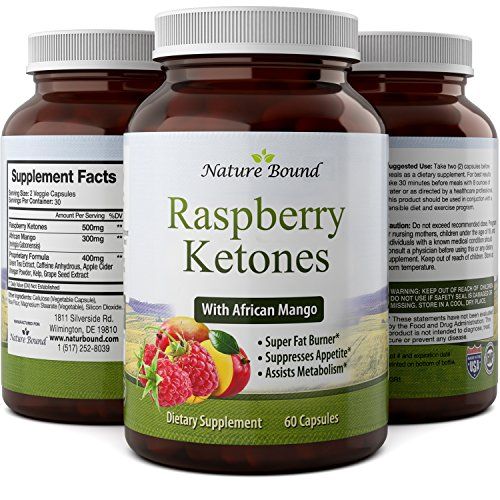
Raspberry ketones and weight loss:
Raspberry ketones are natural compounds found in red raspberries that give them their distinct aroma. These compounds have gained attention in recent years for their potential role in weight loss efforts. While there is some evidence suggesting they may aid weight management indirectly, more research is needed to fully understand their effects on human metabolism.
1.Fat burning potential: Raspberry ketones are believed to enhance fat burning by increasing adiponectin levels—a hormone that helps regulate metabolism and fat breakdown. While studies in animals have shown promising results, human studies are limited and inconclusive.
2.Appetite suppression: Some research suggests that raspberry ketones may help suppress appetite by affecting certain hormones involved in hunger regulation. However, more extensive studies are needed to confirm this effect in humans.
3.Metabolic boost: Raspberry ketones may potentially increase metabolic rate, leading to higher calorie expenditure. This could be beneficial for individuals trying to lose weight as it would create a calorie deficit.
4.Increased energy levels: Raspberry ketones might provide an energy boost due to their potential impact on metabolism. Higher energy levels could contribute to increased physical activity, aiding weight loss efforts indirectly.
5.Blood sugar control: Preliminary studies suggest that raspberry ketones may improve blood sugar control by enhancing insulin sensitivity. Stable blood sugar levels can support healthy weight management and reduce the risk of developing type 2 diabetes.
6.Antioxidant properties: Like other red berries, raspberries are rich in antioxidants that protect cells against damage caused by free radicals. While this doesn’t directly contribute to weight loss, antioxidants play a crucial role in overall health and well-being.
While some animal and test-tube studies show promise regarding the effects of raspberry ketones on weight management, there is still insufficient evidence to conclude their efficacy or safety for humans. Additionally, most commercially available supplements contain much higher concentrations of raspberry ketones than what can be obtained from consuming natural sources like raspberries themselves.
It’s important to approach any supplements with caution and consult with a healthcare professional before using them for weight loss purposes. A balanced diet combined with regular exercise remains the cornerstone of sustainable weight management strategies.
Raspberry vinegar for salad dressings:
Raspberry vinegar is a versatile condiment made by infusing fresh or frozen raspberries into vinegar—usually white wine vinegar or apple cider vinegar—for several weeks or months until the flavors meld together. This fruity vinegar adds a delightful tang and natural sweetness to salad dressings, enhancing the overall flavor profile.
1.Delightful flavor: Raspberry vinegar adds a burst of bright, tangy sweetness to any salad dressing. Its unique taste makes it an ideal choice for fruit-based salads or those featuring bitter greens like arugula or endive.
2.Versatility: Raspberry vinegar pairs well with various ingredients and flavors, allowing for endless creativity in salad dressing recipes. It can be used alone as the primary acid component or combined with other vinegars like balsamic or red wine vinegar for more complexity.
3.Health benefits: Raspberries are packed with antioxidants, fiber, and essential vitamins that contribute to overall health and well-being. By infusing these nutrients into vinegar, raspberry vinegar becomes not only a flavorful addition but also a healthy one.
4.Low-calorie option: Raspberry vinegar is naturally low in calories, making it an excellent choice for those watching their weight or trying to reduce calorie intake without compromising on taste.
5.Acid balance: The acidity of raspberry vinegar helps balance out richness in dressings made with oils or creamy ingredients by cutting through their heaviness. This creates a harmonious blend of flavors when drizzled over salads.
6.Easy homemade option: Making raspberry vinegar at home is relatively simple and requires minimal equipment. All you need are fresh raspberries, quality vinegar, a glass container, and time for the infusion process.
To make raspberry-infused vinegar at home:
1.Crush 1 cup of fresh raspberries (or thawed frozen raspberries) using a fork.
2.Combine the crushed berries with 2 cups of white wine or apple cider vinegarnin a glass jar.
3.Seal the jar tightly and store it in a cool dark place for around 3-4 weeks to allow the flavors to meld together.
4.After this period, strain out the solids using a fine mesh sieve or cheesecloth, and transfer the infused vinegar into a clean glass bottle.
5.Store the raspberry vinegar in the refrigerator for up to 6 months.
Once you have your homemade raspberry vinegar ready, it’s time to get creative with salad dressings. Here are a few ideas:
1.Raspberry vinaigrette: Whisk together 2 tablespoons of raspberry vinegar, 1/4 cup of extra virgin olive oil, 1 tablespoon of Dijon mustard, salt, and pepper until emulsified. Drizzle over mixed greens or spinach salads.
2.Berry balsamic dressing: Combine equal parts raspberry vinegar and balsamic vinegar with olive oil, honey (optional), and a pinch of salt and pepper. This dressing pairs well with salads featuring berries or grilled vegetables.
3.Lemon-raspberry dressing: In a blender or food processor, blend together 1/4 cup of fresh raspberries, 2 tablespoons of lemon juice, 2 tablespoons of raspberry vinegar, 1/4 cup of extra virgin olive oil, salt, and pepper until smooth. Adjust the consistency by adding more raspberries or olive oil if desired.
4.Sweet-and-spicy dressing: Mix together equal parts raspberry vinegar and honey along with some crushed red pepper flakes for heat. Use this tangy-sweet dressing to balance out spicy greens like watercress or arugula.
Feel free to experiment with different ingredients like herbs (such as basil or mint), shallots for added depth in flavor profiles. The versatility of raspberry-infused vinegars allows you to tailor them according to your preferences while creating unique salad dressings that elevate any dish.
Raspberry seed oil for skincare:
Raspberry seed oil is pressed from the seeds of raspberries—a byproduct generated during red berry processing—yielding an amber-colored liquid packed with beneficial nutrients for skin health. It has gained popularity in recent years as a natural skincare ingredient due to its hydrating, nourishing, and protective properties.
1.Moisturization: Raspberry seed oil is rich in essential fatty acids—including omega-3 and omega-6—which help replenish the skin’s moisture barrier. These fatty acids lock in hydration, leaving the skin soft, supple, and less prone to dryness.
2.Anti-aging effects: The antioxidants found in raspberry seed oil—such as vitamin E and A—help combat free radicals that contribute to premature aging. Regular use of this oil may help reduce the appearance of fine lines, wrinkles, and age spots.
3.UV protection: Raspberry seed oil has a natural SPF (sun protection factor) ranging from 28-50. While it should not replace dedicated sunscreen products for prolonged sun exposure or intense activities outdoors, incorporating raspberry seed oil into your skincare routine can provide an extra layer of sun protection during daily activities.
4.Anti-inflammatory properties: The high content of alpha-linolenic acid—an omega-3 fatty acid—in raspberry seed oil makes it beneficial for soothing irritated or inflamed skin conditions like eczema or psoriasis. It helps calm redness and reduces itchiness associated with these conditions.
5.Skin regeneration: Raspberry seed oil contains phytosterols—a class of plant compounds—that support cell regeneration. This property aids in maintaining healthy skin by enhancing the renewal process and promoting a more youthful complexion over time.
6.Hyperpigmentation reduction: Regular application of raspberry seed oil may help fade dark spots caused by hyperpigmentation due to its potential melanin-inhibiting properties. However, results may vary depending on individual factors such as skin type and the severity of pigmentation issues.
7.Non-comedogenic: Despite being an oil-based product, raspberry seed oil is considered non-comedogenic—meaning it does not clog pores or cause acne breakouts when used correctly. This makes it suitable for a variety of skin types, including oily or acne-prone skin.
8.Versatility: Raspberry seed oil can be used on its own as a facial oil or mixed into skincare formulations like creams, serums, or masks to enhance their benefits. It blends well with other oils and botanical extracts, allowing for customization based on individual skincare needs.
To include raspberry seed oil in your skincare routine:
1.Start by patch testing the oil on a small area of your skin to ensure there are no adverse reactions.
2.If no negative reactions occur during the patch test—such as redness, itching, or irritation—you can proceed with incorporating it into your routine.
3.Apply 2-3 drops of raspberry seed oil onto clean fingertips and gently massage onto damp face and neck after cleansing.
4.Allow the oil to absorb for a few minutes before following up with moisturizer or sunscreen if using during daytime.
5.Repeat this process once or twice daily depending on personal preference and desired results.
It’s important to note that while raspberry seed oil offers several potential benefits for skincare, individual experiences may vary. If you have sensitive skin or any existing skin conditions, consult with a dermatologist before introducing new products into your regimen.
Raspberry smoothie recipes:
Raspberry smoothies are not only delicious but also packed with vitamins, minerals, antioxidants, fiber—making them an excellent choice for boosting overall health. Here are three refreshing raspberry smoothie recipes that you can enjoy as part of a balanced diet:
1.Raspberry-Banana Smoothie:
Ingredients:
– 1 cup fresh raspberries
– 1 ripe banana
– 1/2 cup plain Greek yogurt
– 1/2 cup almond milk (or any preferred milk)
– 1 tablespoon honey (optional)
– Ice cubes
Instructions:
1.Add all the ingredients to a blender and blend until smooth.
2.If desired, adjust the sweetness by adding more honey.
3.Add ice cubes and blend again until well combined.
4.Pour into a glass and enjoy!
2.Raspberry-Mango Smoothie:
Ingredients:
– 1 cup fresh or frozen raspberries
– 1 ripe mango, peeled and pitted
– 1/2 cup coconut milk (or any preferred milk)
– 1/2 cup orange juice
– 1 tablespoon chia seeds (optional)
– Ice cubes
Instructions:
1.Place all the ingredients in a blender and blend until smooth.
2.If you prefer a thinner consistency, add more liquid (coconut milk or orange juice).
3.For added nutritional benefits, sprinkle chia seeds into the blender before blending.
4.Blend in ice cubes for extra chilliness if desired.
5.Pour into a glass and serve.
3.Vegan Raspberry-Green Smoothie:
Ingredients:
– 1 cup fresh spinach leaves
– 1 cup frozen raspberries
– 1 ripe banana
– 1 tablespoon almond butter (or any preferred nut butter)
– 1 cup almond milk (or any preferred plant-based milk)
– Ice cubes
Instructions:
1.Combine all the ingredients in a blender and blend until smooth.
2.Add more almond milk if needed to achieve desired consistency.
3.Include ice cubes for an icy texture if desired.
4.Pour into a glass, garnish with additional raspberries or spinach leaves, and enjoy!
These recipes are just starting points—you can customize them according to your taste preferences by adding other fruits like blueberries or strawberries. You can also incorporate healthy boosters such as flaxseeds, hemp hearts, or protein powder to make them even more nutritious.
Raspberry jam without added sugar:
If you’re looking for a healthier alternative to store-bought raspberry jam that often contains high amounts of added sugars, making your own homemade version is an excellent choice. Here’s a simple recipe for raspberry jam without added sugar:
Ingredients:
– 4 cups fresh or frozen raspberries
– 1 tablespoon lemon juice
– 2 tablespoons chia seeds
Instructions:
1.In a medium saucepan, heat the raspberries over medium-high heat until they start to break down and release their juices.
2.Reduce the heat to low and simmer gently for about 10 minutes, stirring occasionally.
3.Remove from heat and stir in the lemon juice. Let cool slightly.
4.Mash the raspberries with a fork or use an immersion blender to achieve your desired consistency.
5.Stir in the chia seeds until well combined. The chia seeds will help thicken the jam naturally as they absorb liquid.
6.Allow the mixture to cool completely before transferring it into clean jars or containers with tight-fitting lids.
7.Refrigerate overnight to allow the jam to set further.
Note: This homemade raspberry jam without added sugar might have a slightly different texture compared to traditional jams that rely on sugar as a preservative. However, it still offers all-natural sweetness and is packed with fiber, vitamins, and antioxidants.
Enjoy this delicious and healthier version of raspberry jam on toast, pancakes, yogurt bowls, or even as a filling in baked goods like thumbprint cookies.
Raspberry-infused water for hydration:
Infusing water with raspberries is an excellent way to enhance its flavor while reaping additional health benefits from these nutritious berries. Raspberry-infused water is not only refreshing but also provides some of the essential nutrients found in raspberries.
To make raspberry-infused water:
1.Wash 1 cup of fresh raspberries thoroughly under running water.
2.Place the rinsed raspberries into a pitcher or large glass jar.
3.Fill up the container with filtered water until all berries are submerged—approximately 8 cups of water for every cup of berries used.
4.Leave it at room temperature for at least 1-2 hours, allowing the flavors to infuse into the water. For a stronger flavor, refrigerate overnight.
5.Strain out the raspberries or leave them in the water if desired.
6.Serve chilled and enjoy throughout the day.
Raspberry-infused water offers a refreshing twist compared to plain water, making it easier to stay hydrated. The natural sweetness from raspberries can also help satisfy cravings for sugary beverages while providing essential vitamins and antioxidants.
Remember that raspberry-infused water is not a replacement for regular hydration practices but can be used as an enjoyable alternative to flavored drinks or sodas that often contain added sugars and artificial additives.
Raspberry sorbet as a healthy dessert option:
Raspberry sorbet is a light and refreshing frozen treat made primarily from pureed raspberries and sweetened with natural sweeteners. It’s an excellent alternative to traditional ice cream for those looking for healthier dessert options without compromising on taste.
Here’s a simple recipe for homemade raspberry sorbet:
Ingredients:
– 4 cups fresh or frozen raspberries
– 1/2 cup honey (or any preferred liquid sweetener)
– 1 tablespoon lemon juice
Instructions:
1.Place the raspberries in a blender or food processor and blend until smooth.
2.Add honey (or your choice of sweetener) along with lemon juice, then blend again until well combined.
3.Pour the mixture into an ice cream maker according to its instructions. Churn until you achieve

Leave a Reply