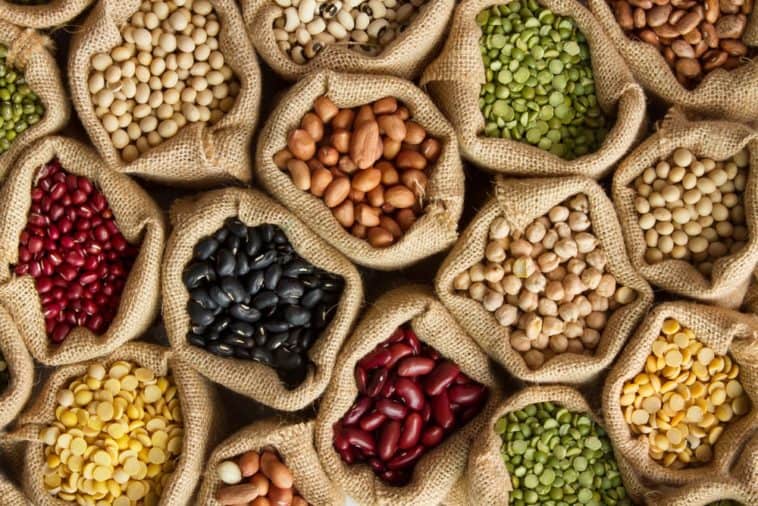
Unpopular Legumes with High Protein Content
When it comes to a healthy eating plan, legumes are often praised for their high protein content and numerous health benefits. However, there are some lesser-known legumes that deserve more attention. These legumes not only provide a good source of protein but also offer other essential nutrients necessary for overall well-being.
One such underappreciated legume is adzuki beans. Originating from East Asia, adzuki beans are small red beans packed with protein, fiber, and iron. They are also rich in potassium, magnesium, and folate. Adzuki beans can be cooked and used in soups, stews or sweetened and made into a paste for desserts.
Another lesser-known legume is lupini beans. Native to the Mediterranean region, lupini beans have been eaten for centuries due to their high protein content and low fat content. These creamy textured legumes are an excellent source of amino acids, dietary fiber, calcium, and vitamin B6. Lupini beans can be enjoyed as a snack by simply boiling them in water until tender or incorporated into salads or dips.
Moving on to another uncommon legume called cowpeas or black-eyed peas; these versatile legumes have been cultivated throughout Africa for thousands of years but are relatively unknown in many parts of the world. Cowpeas provide a good amount of plant-based protein along with vitamins A and C, calcium, iron, and potassium. They can be added to stews or soups or used as the main ingredient in vegetarian patties.
Mung beans may not often find themselves on people’s shopping lists despite being widely consumed in Asian countries like India and China for centuries. Mung beans offer an impressive nutritional profile including high amounts of plant-based proteins along with fiber that aids digestion.They also contain folate,magnesium,potassium,and antioxidants.Mung bean sprouts can be added to stir-fries or salads, while mung bean paste can be used to make delicious desserts.
Lastly, we have pigeon peas. These small oval-shaped legumes are widely consumed in Latin America and the Caribbean. Pigeon peas are an excellent source of plant-based protein, dietary fiber, iron, potassium, and vitamin B6. They can be cooked and added to rice dishes or used as a base for soups and stews.
Incorporating these lesser-known legumes into your diet not only adds variety but also provides a wide range of essential nutrients necessary for good health. Whether you’re looking for high-protein options or just want to explore different flavors and textures, these underappreciated legumes are worth considering. So the next time you’re planning your meals, don’t forget to give these unpopular legumes a chance!

Leave a Reply