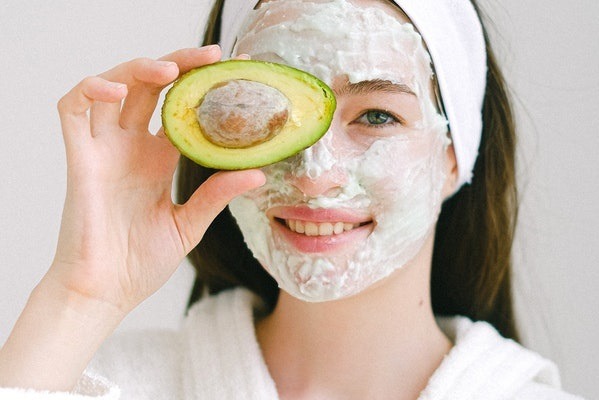
Skin Health: Nourishing Your Body’s Largest Organ
Our skin is more than just a covering; it’s an essential organ that plays a vital role in protecting our bodies from the outside world. When it comes to maintaining healthy skin, many people focus solely on topical treatments and beauty products. However, true skin health starts from within. By nourishing your body with the right nutrients, you can promote radiant and youthful-looking skin.
1. Hydration is Key
One of the simplest yet most crucial aspects of maintaining healthy skin is staying hydrated. Our bodies are made up of about 60% water, and this includes our skin cells too. Drinking an adequate amount of water helps to flush out toxins, maintain elasticity, and keep our skin moisturized.
Dehydration can lead to dryness, dullness, and even premature aging. Aim for at least eight glasses (64 ounces) of water per day to ensure your body—and your skin—stay properly hydrated.
2. The Power of Antioxidants
Antioxidants are substances that help combat oxidative stress caused by free radicals in our bodies. Free radicals are unstable molecules that can damage cells and contribute to aging processes like wrinkles and fine lines.
Including antioxidant-rich foods in your diet can provide immense benefits for your overall health as well as your skin’s appearance. Foods such as berries (blueberries, strawberries), leafy greens (spinach, kale), nuts (walnuts), green tea, dark chocolate, tomatoes, and avocados are all excellent sources of antioxidants.
3. Omega-3 Fatty Acids for Healthy Skin
Omega-3 fatty acids are essential fats that play a fundamental role in maintaining healthy cell membranes throughout the body—including the outer layer of our skin cells called the epidermis.
Consuming omega-3 rich foods like fatty fish (salmon, mackerel), walnuts, chia seeds or flaxseeds, and soybeans can help improve skin elasticity, reduce inflammation, and promote a youthful appearance. These fatty acids also assist in maintaining the skin’s natural oil barrier, keeping it hydrated and supple.
4. The Importance of Vitamin C
Vitamin C is an essential nutrient for collagen synthesis—an important protein that provides structure to our skin. Collagen helps maintain the elasticity and firmness of our skin while reducing the appearance of wrinkles.
Citrus fruits like oranges, lemons, grapefruits are well-known sources of vitamin C. Other options include strawberries, kiwis, papayas, bell peppers (particularly red ones), broccoli, and kale. Including these foods in your diet will help boost collagen production and support healthy-looking skin.
5. Get Your Beauty Sleep
While proper nutrition is crucial for maintaining healthy skin from within, giving your body time to rest and rejuvenate is equally important. During sleep, our bodies repair damaged cells—including those in our skin—resulting from exposure to environmental pollutants or UV radiation.
Aim for 7-9 hours of quality sleep each night to allow your body enough time to regenerate new cells effectively. Establishing a consistent sleep routine and creating a relaxing environment before bed can help improve both the quantity and quality of your sleep.
In conclusion: Nurturing healthy skin goes beyond using external skincare products alone; it begins with nourishing your body internally through proper hydration and consuming foods rich in antioxidants, omega-3 fatty acids, vitamin C-rich fruits and vegetables. Combine this with adequate restful sleep to enhance cellular regeneration further—a key factor in maintaining radiant skin throughout life.


Leave a Reply