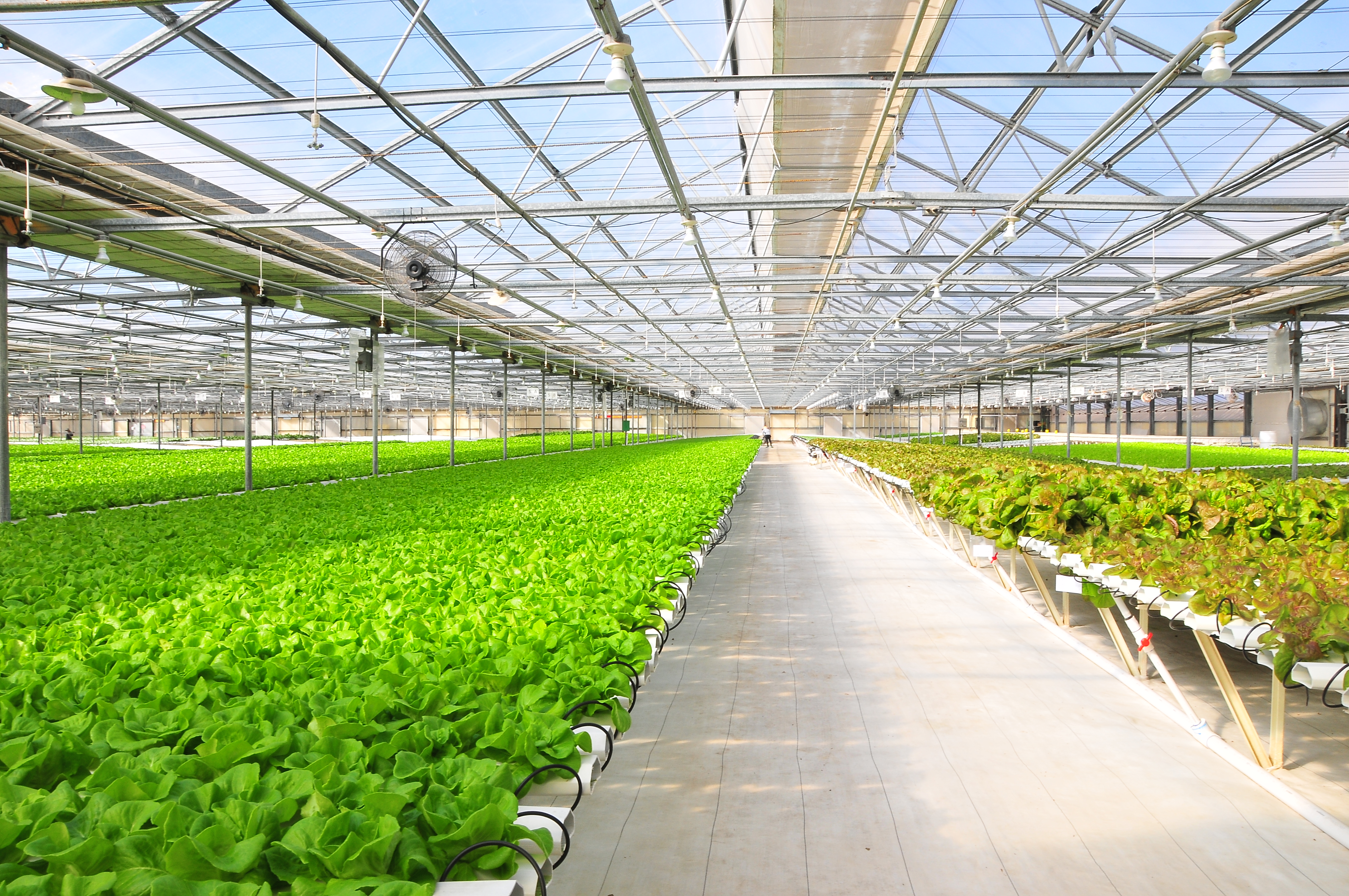
Hydroponic farming: A sustainable solution for healthy eating
In the quest to find sustainable and efficient methods of food production, hydroponic farming has emerged as a game-changer. This innovative practice involves growing plants without soil, using nutrient-rich water as the medium instead. With its numerous benefits, hydroponics is revolutionizing the way we grow our fruits and vegetables.
One of the key advantages of hydroponics is its ability to save water. Traditional agriculture consumes vast amounts of this precious resource, but hydroponics reduces water usage by up to 90%. The closed-loop system recirculates water through pumps and filters, minimizing waste. Additionally, since plants receive their required nutrients directly from the water, there is no need for excessive irrigation.
Another significant advantage of hydroponic farming is its space efficiency. By eliminating the need for soil, farmers can cultivate crops vertically or in smaller areas compared to traditional methods. This makes it particularly suitable for urban environments where land scarcity is a challenge. Hydroponic systems can be set up in greenhouses or indoor facilities year-round, enabling fresh produce to be grown closer to urban centers and reducing transportation costs.
The controlled environment provided by hydroponics also allows for greater control over plant growth factors such as temperature, humidity, light intensity, and nutrient levels. This precision enables farmers to optimize crop yields while minimizing disease outbreaks and pests that often plague traditional fields. As a result, pesticides are used sparingly or not at all in hydroponic systems – leading to cleaner and healthier produce.
Hydroponically-grown crops have been shown to have higher nutritional value compared to conventionally-grown ones due to optimized nutrient delivery. The absence of soil-borne diseases also contributes positively towards producing healthier plants with fewer chemicals present in their tissues.
Furthermore, hydroponic farming offers an excellent solution during extreme weather events or natural disasters that may disrupt conventional agriculture supply chains. By having crops grown indoors, hydroponic farmers are less vulnerable to external factors and can continue producing fresh food consistently.
In conclusion, hydroponic farming is rapidly gaining popularity as a sustainable solution for healthy eating. Its water-saving capabilities, space efficiency, precise control over growth factors, and improved nutritional value make it an attractive option for both small-scale urban farmers and large commercial operations. As we strive towards a more sustainable future, embracing hydroponics can contribute to healthier diets while reducing our environmental impact.

Leave a Reply