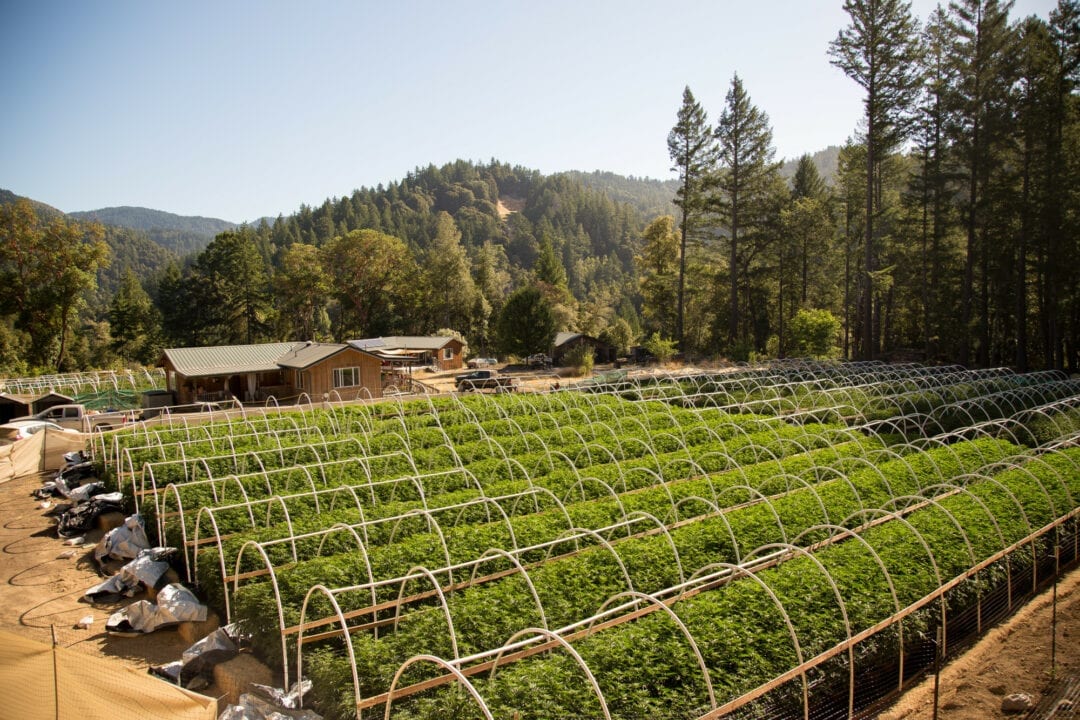
The economic feasibility of organic vs conventional hemp seed farming is a topic of great interest, especially as the demand for hemp products continues to grow. Hemp seeds are not only a nutritious superfood but also serve as a valuable source for oil and fibers used in various industries. In this article, we will explore the economic aspects of both organic and conventional methods of cultivating hemp seeds, weighing their benefits and drawbacks.
Organic Hemp Seed Farming:
Organic farming practices revolve around sustainability, biodiversity, and the use of natural inputs while avoiding synthetic chemicals. When it comes to hemp seed farming, choosing organic methods can offer several advantages.
1. Higher market value: Organic produce typically commands a higher price in the market due to its perceived health benefits and environmentally friendly cultivation techniques. This holds true for organic hemp seeds as well.
2. Growing consumer demand: There is an increasing preference among consumers for organic food products due to concerns about pesticide residues and environmental impact. As a result, the demand for organic hemp seeds has been steadily rising.
3. Soil health improvement: Organic farming promotes soil fertility by utilizing natural fertilizers such as compost or manure instead of synthetic ones. Over time, this can lead to improved soil structure and nutrient content, resulting in healthier plants with better yields.
4. Certification opportunities: Cultivating organic hemp seeds allows farmers to obtain certification from reputable organizations that further increase their product’s marketability and appeal.
However, there are certain challenges associated with organic farming that may affect its economic feasibility:
1. Costlier inputs: Organic farming requires more labor-intensive practices along with expensive natural inputs like compost or biopesticides compared to conventional methods that rely on synthetic chemicals which can be more cost-effective.
2. Pest control management: Controlling pests without chemical pesticides can be challenging in organic farming systems leading to potential yield losses if pest pressures are high.
Conventional Hemp Seed Farming:
Conventional agriculture relies on modern technologies, including synthetic fertilizers and pesticides, to maximize crop yields. While conventional hemp seed farming has its benefits, it also raises concerns regarding environmental impact and consumer preferences.
Advantages of conventional hemp seed farming:
1. Lower production costs: Conventional farming methods often require fewer labor hours and utilize more cost-effective inputs such as synthetic fertilizers and pesticides. This can result in lower production costs for farmers.
2. Higher yield potential: With the use of genetically modified seeds and advanced agricultural technologies like mechanization, conventional farming may have a higher yield potential compared to organic cultivation practices.
3. Pest control management: Synthetic pesticides are generally more effective in controlling pests than their organic counterparts, potentially minimizing crop losses due to pest damage.
However, there are certain drawbacks associated with conventional hemp seed farming:
1. Environmental concerns: The use of synthetic chemicals can lead to soil degradation, water pollution, and harm beneficial insects and wildlife. These environmental impacts raise sustainability concerns among consumers which might affect market demand over time.
2. Consumer preference shift: As mentioned earlier, there is a growing trend towards organic products driven by health consciousness and environmental awareness among consumers. This shifting preference might reduce the long-term economic viability of conventionally grown hemp seeds.
3. Limited market access: Some countries or regions have stricter regulations on pesticide residues or favor organic produce through government policies or consumer demand trends. This restricts the market access for conventionally grown hemp seeds in these areas.
Ultimately, the choice between organic and conventional hemp seed farming depends on various factors such as market demand, local regulations, production costs, land availability, target audience preferences along with farmer’s personal values & goals for their business operations.
In conclusion, both organic and conventional methods of cultivating hemp seeds offer advantages and face challenges from an economic standpoint. Organic farming offers higher market value due to increasing consumer demand for organically produced food products but requires costlier inputs while facing potential challenges related to pest control. Conventional farming, on the other hand, may have lower production costs and higher yield potential but faces concerns regarding environmental impact and consumer preference shift towards organic products. Each farmer needs to carefully evaluate these factors and make an informed decision based on their specific circumstances and goals.
Disclaimer: The information provided in this article is for informational purposes only and should not be considered as financial or agricultural advice. Farmers are advised to conduct thorough research, consult with experts, and consider local regulations before making any farming decisions.

Leave a Reply