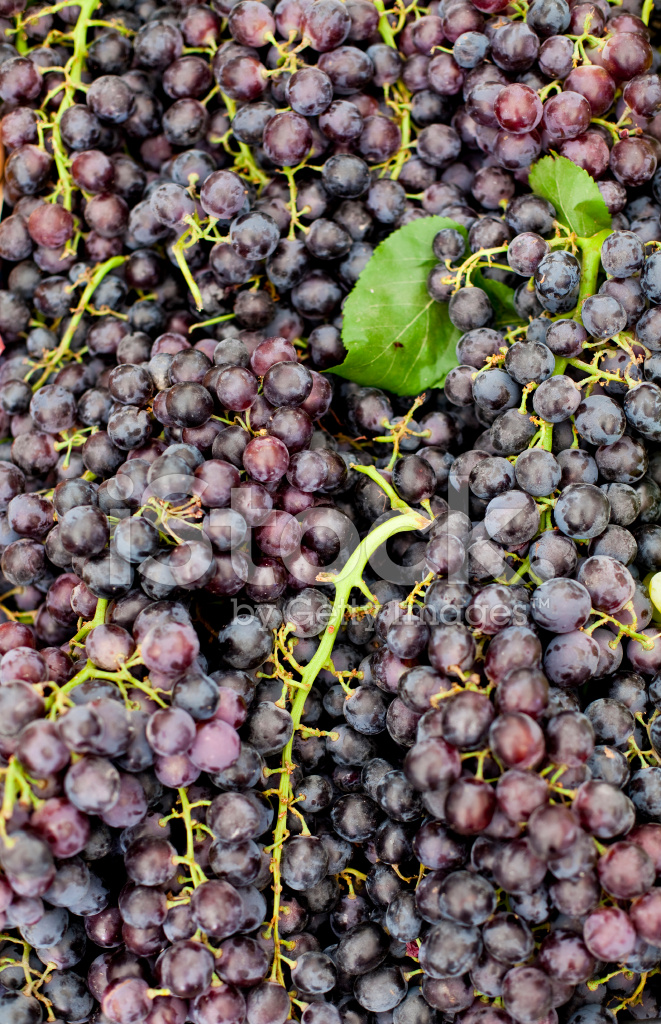
Welcome to today’s panel discussion on organic grapes! We have gathered a group of experts to discuss the benefits, nutritional value, and production methods of organic grapes. Whether you’re a health-conscious individual or just someone who enjoys delicious fruits, this conversation will provide valuable insights into why choosing organic grapes is a smart choice for your overall well-being.
To kick off our discussion, let’s talk about the key differences between conventionally grown grapes and their organic counterparts. The main distinction lies in the farming practices used. Organic grape farmers prioritize sustainable methods that promote soil health, biodiversity, and natural pest control. They avoid using synthetic pesticides or genetically modified organisms (GMOs), making them a healthier option for consumers.
One of the primary reasons people opt for organic grapes is their minimal pesticide exposure. Conventionally grown grapes often top the list of fruits with high pesticide residues due to their thin skin that readily absorbs chemicals. By choosing organically grown varieties, you reduce your potential exposure to harmful substances while enjoying nature’s sweet bounty.
Nutritionally speaking, organic grapes are packed with vitamins, minerals, and antioxidants that contribute to our overall well-being. These tasty fruits contain vitamin C, which helps boost immunity and promotes healthy skin collagen formation. Additionally, they are rich in polyphenols like resveratrol—a potent antioxidant known for its anti-inflammatory properties and potential heart health benefits.
Organic grape cultivation follows strict guidelines set by various certification bodies such as USDA Organic or EU Organic standards. These certifications ensure that growers adhere to specific regulations regarding soil management practices, pest control methods, use of fertilizers derived from natural sources only (such as compost or manure), and restricted use of synthetic chemicals.
Moreover, organic grape farming takes an eco-friendly approach by focusing on sustainable agricultural techniques. This includes implementing cover crops between vineyard rows to prevent erosion while enhancing soil fertility naturally. It also involves promoting biological diversity by creating habitats for beneficial insects, birds, and other wildlife, thus supporting a healthy ecosystem.
Switching to organic grapes not only benefits us as consumers but also has positive implications for the environment. By supporting organic farming practices, we contribute to reducing water pollution, soil degradation, and the overall carbon footprint associated with conventional agriculture. It’s a small choice that collectively makes a big impact on our planet’s health.
When it comes to taste, many enthusiasts claim that there is an evident difference between conventionally grown and organic grapes. The natural cultivation methods employed in organic farming are believed to enhance the grape’s flavor profile while preserving its true essence. This could be attributed to the healthier soil conditions or the absence of chemical residues influencing taste perception.
In conclusion, opting for organic grapes is not just about choosing healthier produce; it’s about making a conscious decision that supports sustainable agriculture and environmental well-being. From reduced pesticide exposure to improved nutrition and enhanced taste profiles, these fruits offer numerous advantages over their conventionally grown counterparts. So next time you’re at the grocery store or local farmer’s market, reach for those vibrant bunches of organically grown grapes and savor their goodness with peace of mind!

Leave a Reply