Gut Health and Mental Health: Exploring the Powerful Connection
In recent years, there has been a growing body of research highlighting the intricate link between gut health and mental health. The idea that our gut could have an impact on our mood, emotions, and overall mental well-being may seem surprising at first. However, scientists are uncovering fascinating insights into the complex relationship between our gut microbiota—the trillions of microorganisms residing in our digestive system—and various mental health conditions like depression, anxiety, and even cognitive decline. In this article, we will dive deep into this connection to understand how taking care of your gut can positively influence your mental health.
Understanding Gut Microbiota
The human gastrointestinal tract is home to a diverse ecosystem teeming with bacteria, viruses, fungi, and other microbes collectively known as the gut microbiota. This community of microorganisms plays a crucial role in maintaining various bodily functions such as digestion and immune response. It also produces essential vitamins and metabolizes certain compounds that our bodies cannot break down independently.
Each individual’s gut microbiota composition is unique and influenced by a multitude of factors including diet, genetics, environment, stress levels, medications used (such as antibiotics), birth method (vaginal or cesarean), and early-life experiences. A healthy balance within this microbial community is vital for optimal physical functioning as well as psychological well-being.
The Gut-Brain Axis: A Bidirectional Communication Highway
The bidirectional communication network linking our gastrointestinal tract to our brain is known as the “gut-brain axis.” This intricate pathway involves chemical signals transmitted via nerves, hormones produced by the gut microbiota itself called neurochemicals or neurotransmitters (e.g., serotonin), immune molecules released during inflammation responses within the gut lining cells (enterochromaffin cells), among others.
One key player in this axis is serotonin—the neurotransmitter primarily responsible for regulating mood—of which 90% is produced in the gut. Serotonin plays a vital role not only in our emotional well-being but also in various physiological processes like appetite, sleep, and cognitive function.
The Gut Microbiota’s Impact on Mental Health
Numerous studies have revealed a significant association between alterations in gut microbiota and mental health conditions such as depression and anxiety disorders. Researchers have found differences in the composition of gut bacteria between individuals with these conditions compared to healthy controls.
In a groundbreaking study published in 2019, researchers conducted fecal microbial transplants from depressed patients into germ-free mice. Astonishingly, the mice that received transplants from depressed individuals exhibited depressive-like behaviors when compared to those receiving transplants from mentally healthy donors.
Furthermore, animal studies have shown that manipulating gut bacteria can influence behavior and mood. For instance, administering certain strains of beneficial bacteria (probiotics) has been found to reduce anxiety- and depression-like symptoms in rodents.
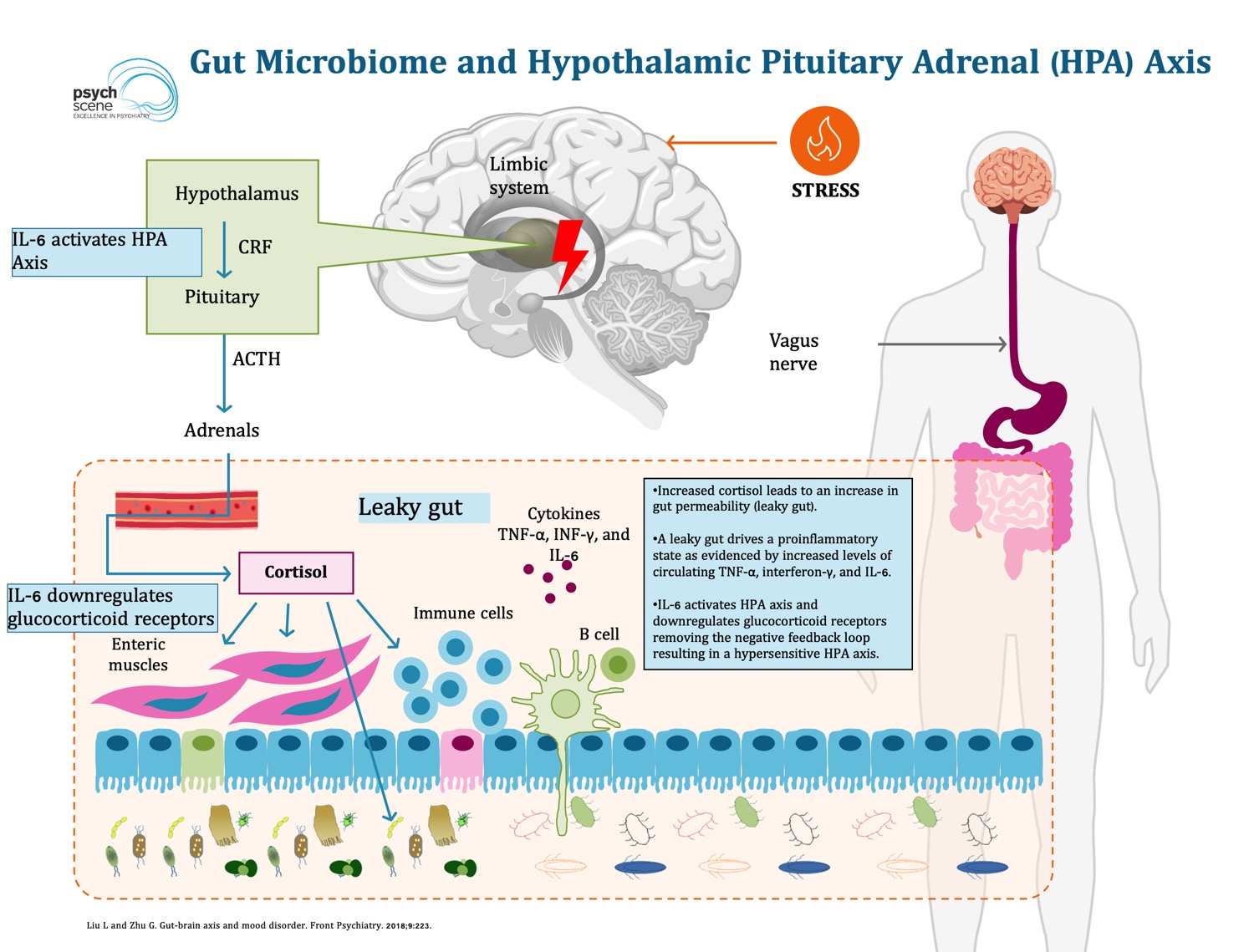
While research is still ongoing to understand the exact mechanisms behind this connection, several theories propose potential explanations. One theory suggests that imbalances within the gut microbiota can lead to increased intestinal permeability or “leaky gut.” This state allows harmful substances like lipopolysaccharides (LPS) to enter circulation and trigger immune responses leading to inflammation throughout the body—including the brain—which may contribute to mental health disorders.
Another theory focuses on how certain bacterial metabolites can directly affect brain function via signaling pathways or by producing neuroactive compounds. For example, some species of gut bacteria produce short-chain fatty acids (SCFAs), which play a crucial role in maintaining intestinal integrity while also exhibiting anti-inflammatory properties that could positively impact mental health.
Improving Gut Health for Better Mental Well-being
Given the evidence supporting the link between gut health and mental well-being, taking care of your digestive system becomes paramount for fostering good mental health. Here are some dietary and lifestyle adjustments you can incorporate to improve your gut health:
1. Eat a Diverse and Fiber-rich Diet: Consuming a wide variety of plant-based foods like fruits, vegetables, legumes, whole grains, and nuts provides essential nutrients for both you and your gut microbiota. Additionally, these fiber-rich foods serve as prebiotics—nourishment for beneficial bacteria—promoting their growth.
2. Include Fermented Foods: Incorporate probiotic-rich fermented foods into your diet such as yogurt, kefir, sauerkraut, kimchi, and kombucha. These foods contain live bacteria that can help introduce beneficial microbes to your gut.
3. Minimize Processed Foods: Highly processed foods tend to lack the necessary nutrients and fiber required for a healthy gut microbiota. They may also contain additives that disrupt the microbial balance or promote inflammation.
4. Manage Stress Levels: Chronic stress can negatively impact gut health by altering the composition of the microbiota while also affecting digestive functions through various mechanisms. Engage in stress-reducing activities like meditation, deep breathing exercises, yoga, or spending time in nature.
5. Exercise Regularly: Physical activity has been shown to positively influence gut health by increasing microbial diversity and promoting a more favorable bacterial composition within the digestive system.
6. Get Adequate Sleep: Prioritize quality sleep as it plays an essential role in maintaining overall well-being—including optimal functioning of our gastrointestinal tract—and supports a healthy balance within our body’s systems.
7. Consider Probiotic Supplements: If needed or recommended by a healthcare professional, adding a high-quality probiotic supplement might be beneficial in restoring or maintaining a healthy gut microbiota balance.
In conclusion…
The connection between gut health and mental health is becoming increasingly evident with each passing study conducted on this fascinating topic. Our gastrointestinal tract is not merely responsible for digestion; it serves as an important line of communication with our brain through the intricate network known as the gut-brain axis. By prioritizing our gut health through a wholesome diet, stress management, regular exercise, and adequate sleep, we have the potential to positively influence our mental well-being. Embracing this holistic approach to health can pave the way for improved mood, reduced anxiety levels, and enhanced cognitive functions—all contributing to a happier and healthier life.

Leave a Reply