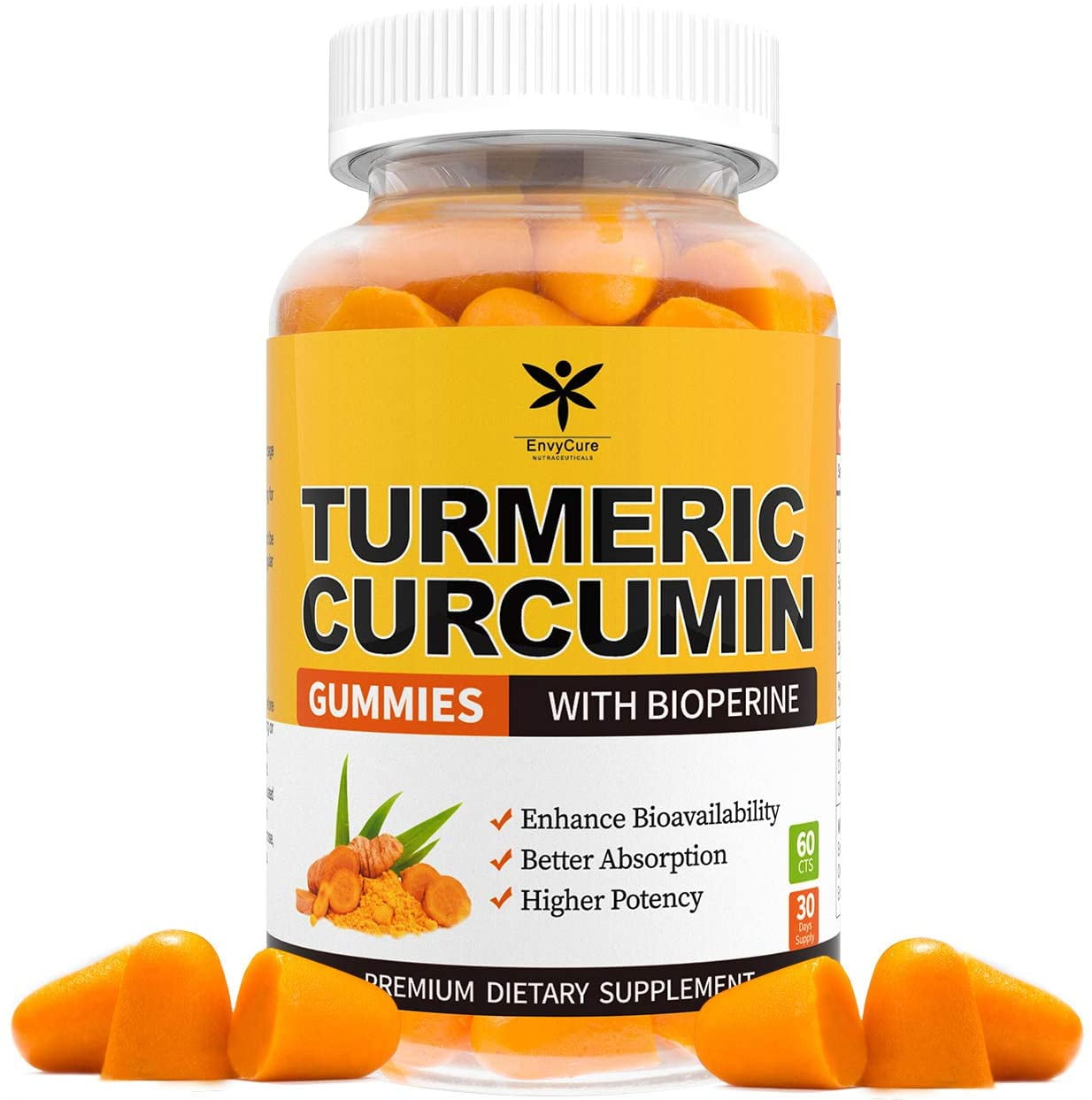
Turmeric is a vibrant yellow spice that has long been used in traditional medicine and cooking. It is derived from the root of the Curcuma longa plant, which is native to Southeast Asia. Turmeric contains a compound called curcumin, which has been studied extensively for its potential health benefits, particularly its anti-inflammatory properties.
Inflammation is a natural process that occurs in response to injury or infection. However, chronic inflammation can contribute to the development of various diseases such as heart disease, diabetes, arthritis, and cancer. Therefore, finding ways to reduce inflammation is crucial for maintaining overall health.
Curcumin has been found to inhibit several molecules involved in the inflammatory process. It targets multiple pathways at once, making it an attractive option for managing chronic inflammation. Studies have shown that curcumin can suppress inflammatory markers like tumor necrosis factor-alpha (TNF-α), interleukin-6 (IL-6), and nuclear factor-kappa B (NF-κB).
One study published in the journal Oncogene demonstrated how curcumin inhibits NF-κB activation by blocking its pathway. By doing so, it reduces the production of inflammatory cytokines responsible for promoting inflammation in various diseases. Another study published in Phytotherapy Research showed that curcumin effectively reduced TNF-α levels in patients with rheumatoid arthritis.
In addition to targeting specific molecular pathways involved in inflammation, curcumin also possesses antioxidant properties. Oxidative stress plays a significant role in chronic inflammation as it leads to cell damage and triggers an immune response. Curcumin’s antioxidant activity helps neutralize free radicals and protect cells from oxidative damage.
Moreover, studies have suggested that curcumin may help alleviate symptoms associated with certain inflammatory conditions such as osteoarthritis and ulcerative colitis. In one randomized controlled trial published in Clinical Gastroenterology and Hepatology Journal, participants with ulcerative colitis who received curcumin experienced a decrease in disease activity and reduced symptoms compared to the placebo group.
While the potential benefits of turmeric and curcumin are promising, it’s important to note that their bioavailability is relatively low. Curcumin is poorly absorbed into the bloodstream and rapidly metabolized by the liver, limiting its effectiveness. However, combining turmeric with black pepper or consuming it with fats like coconut oil can enhance its absorption.
Additionally, various formulations have been developed to improve curcumin’s bioavailability. These include liposomal formulations, nanoemulsions, and phospholipid complexes. These approaches aim to increase curcumin levels in the blood and tissues, thereby enhancing its therapeutic effects.
It’s essential to consult with a healthcare professional before incorporating turmeric or curcumin supplements into your routine, especially if you have an underlying medical condition or are taking medications that may interact with them. They can provide personalized advice based on your specific health needs.
In conclusion, turmeric and its active compound curcumin have shown promise in reducing inflammation through multiple pathways. Their anti-inflammatory properties make them potentially beneficial for managing chronic inflammatory conditions such as arthritis and ulcerative colitis. However, due to limitations in bioavailability, incorporating black pepper or healthy fats alongside supplementation may be necessary for optimal results. As always, seeking guidance from a healthcare professional is crucial when considering any dietary changes or new supplements for managing inflammation.

Leave a Reply