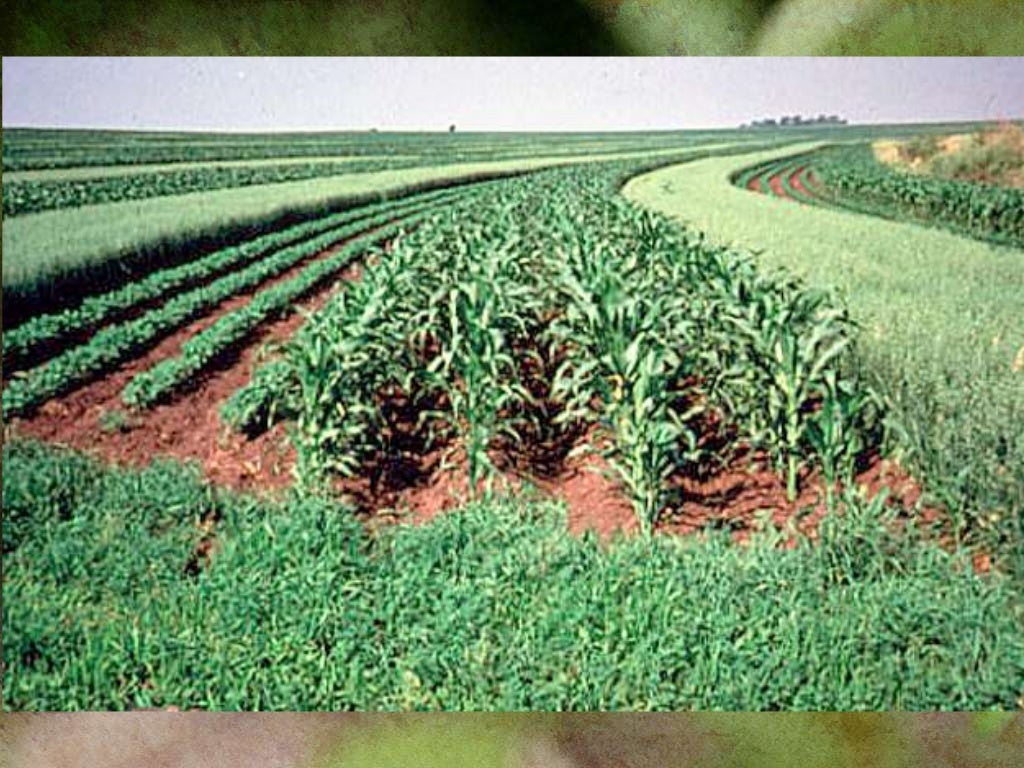
Agroecology is an innovative approach to farming that focuses on sustainability, biodiversity, and the integration of ecological principles into agricultural practices. This method promotes healthy eating by ensuring that crops are grown in a way that preserves the environment and promotes nutritious food production. Here are 15 inspiring examples of agroecology practices from around the world:
1. Agroforestry Systems (Brazil): Combining trees with crop cultivation improves soil quality, provides shade, and enhances biodiversity.
2. Permaculture (Australia): Designing self-sustaining ecosystems where different plants complement each other while minimizing waste.
3. Community Gardens (United States): Local communities come together to grow organic produce collectively, fostering a sense of community and providing access to fresh food.
4. Organic Farming (India): Using natural fertilizers and avoiding chemical pesticides ensures sustainable farming practices while producing healthier crops.
5. Crop Rotation (Europe): Alternating plant species helps maintain soil fertility and prevent pest infestations without relying on synthetic inputs.
6. Aquaponics (Japan): Combining aquaculture with hydroponics creates a closed-loop system where fish waste nourishes plants while the plants clean the water for the fish.
7. Conservation Agriculture (Africa): Minimal tillage, cover cropping, and crop rotation reduce erosion and improve water retention in arid regions.
8. Composting Techniques (Canada): Utilizing kitchen scraps and yard waste to create nutrient-rich compost reduces reliance on synthetic fertilizers.
9. Integrated Pest Management (Netherlands): Implementing biological controls like beneficial insects or trap crops minimizes pesticide use while managing pests effectively.
10. Agroecological Education Programs (Costa Rica): Teaching farmers about sustainable farming techniques empowers them to adopt agroecology principles independently.
11. Rooftop Gardens (South Korea): Urban agriculture initiatives convert rooftops into productive spaces for growing vegetables, reducing heat island effects in cities while providing fresh produce.
12. Agroforestry Coffee Systems (Ethiopia): Combining coffee cultivation with shade trees prevents soil erosion, maintains water quality, and protects the natural habitat for wildlife.
13. Polyculture Farming (France): Growing a diverse range of crops together promotes natural pest control and increases overall yields while enhancing biodiversity.
14. Organic Rice Farming (Thailand): Using traditional rice farming techniques without chemical inputs preserves wetland ecosystems and ensures healthier rice production.
15. Sustainable Livestock Management (New Zealand): Implementing rotational grazing systems and reducing antibiotic usage improves animal welfare while minimizing environmental impact.
These agroecology practices demonstrate that it is possible to produce nutritious food in an environmentally sustainable manner. By adopting these methods, we can contribute to a healthier planet and promote healthy eating for ourselves and future generations.

Leave a Reply