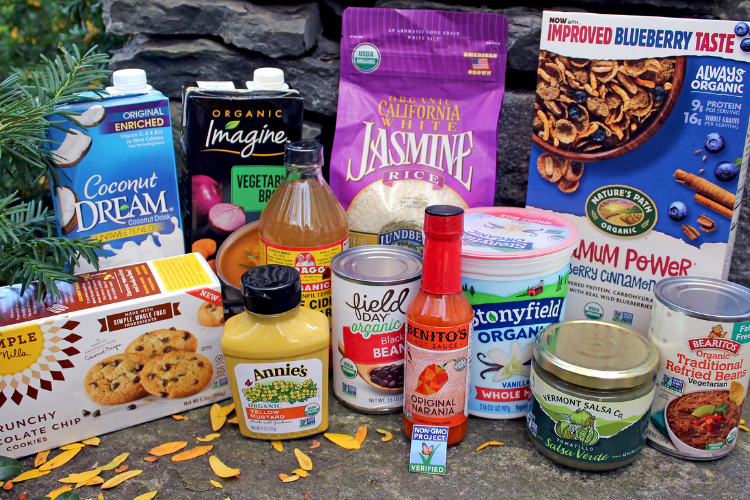
In recent years, there has been a growing interest in non-GMO (Genetically Modified Organism) foods. Many people are becoming more conscious about what they eat and are opting for foods that have not been genetically modified. Non-GMO foods are those that have not been altered or manipulated at the genetic level, ensuring that they remain as close to their natural state as possible. In this article, we will take a closer look at non-GMO foods and why they may be a good choice for your healthy eating journey.
One of the main reasons why people choose non-GMO foods is because they believe these products are healthier. While there is ongoing debate among scientists about the potential health risks of GMOs, many individuals prefer to err on the side of caution. They argue that by consuming non-GMO foods, they can reduce their exposure to potentially harmful substances and better support their overall well-being.
Another reason why people opt for non-GMO foods is due to environmental concerns. GMO crops often require large amounts of pesticides and herbicides, which can have detrimental effects on ecosystems and wildlife. By choosing non-GMO alternatives, consumers can contribute to sustainable farming practices and help protect our environment.
Furthermore, some individuals simply prefer the taste of non-GMO food over its genetically modified counterparts. They find that organic fruits and vegetables have a more authentic flavor profile since they haven’t undergone any genetic alterations.
So where can you find these non-GMO options? One way is through organic certification programs such as USDA Organic or Non-GMO Project Verified labels. These certifications ensure that products meet specific guidelines regarding GMO content.
Some common examples of popular non-GMO foods include fresh fruits and vegetables like apples, berries, broccoli, spinach, corn (non-genetically modified strains), carrots, peas; whole grains such as quinoa, oats, rice; legumes like lentils and beans; nuts including almonds and walnuts; dairy products like milk, cheese, and yogurt; and meats from animals that have been raised on non-GMO feed.
It is important to note that while choosing non-GMO foods can be beneficial, it’s essential to maintain a well-balanced diet overall. Including a variety of fruits, vegetables, whole grains, lean proteins, and healthy fats in your meals will provide you with the necessary nutrients for optimal health.
In conclusion, the demand for non-GMO foods continues to rise as more people prioritize their health and environmental sustainability. Whether you choose these products for personal beliefs or taste preferences, incorporating non-GMO foods into your diet can be a positive step towards a healthier lifestyle. Remember to look out for organic certifications when shopping and enjoy the natural flavors that these unaltered foods bring to your plate.

Leave a Reply