Prebiotics for Older Adults: A Guide to Improved Digestive Health
As we age, maintaining good digestive health becomes increasingly important. One way to support a healthy gut is by incorporating prebiotics into our diets. Prebiotics are non-digestible fibers that nourish the beneficial bacteria in our gut, promoting a balanced and thriving microbiome. In this article, we will explore the benefits of prebiotics for older adults and provide tips on how to incorporate them into your daily routine.
1. Enhanced Nutrient Absorption
As we age, our bodies may become less efficient at absorbing nutrients from the food we eat. This is where prebiotics can be especially helpful. By nourishing the gut bacteria, prebiotics improve nutrient absorption, ensuring that you get the most out of your meals. This can be particularly beneficial for older adults who may have specific nutrient deficiencies or struggle with malabsorption issues.
2. Improved Digestive Function
Digestive issues such as constipation and bloating become more common as we age due to factors like decreased physical activity and slower metabolism. The consumption of prebiotic-rich foods can promote regular bowel movements and alleviate discomfort associated with these conditions.
Prebiotic fibers act as natural laxatives by increasing stool bulk and softening it, making elimination easier. Moreover, they stimulate the growth of beneficial bacteria in the gut responsible for maintaining a healthy digestive system.
3. Strengthened Immune System
A robust immune system is vital for overall health at any age but becomes even more crucial as we grow older when our immune response naturally weakens over time.
Research suggests that consuming prebiotic-rich foods can enhance immune function by supporting a diverse array of beneficial gut bacteria involved in immune regulation. A strong microbiome helps protect against harmful pathogens while reducing inflammation throughout the body.
4. Reduced Risk of Chronic Diseases
Age-related chronic diseases such as cardiovascular disease, Type 2 diabetes, and certain cancers are influenced by our lifestyle choices, including diet. By incorporating prebiotics into your daily routine, you can potentially reduce the risk of developing these conditions.
Prebiotic fibers have been shown to lower cholesterol levels, regulate blood sugar levels, and promote healthy weight management. These benefits contribute to a decreased risk of heart disease and Type 2 diabetes. Additionally, prebiotics help maintain a healthy gut barrier function that may reduce the likelihood of developing certain types of cancer.
5. Mood Regulation
As we age, mental health becomes increasingly important. Research has shown a strong connection between the gut and the brain through what is known as the gut-brain axis. The balance of beneficial bacteria in the gut can influence mood regulation.
Prebiotics support the growth of good bacteria that produce neurotransmitters like serotonin, often referred to as the “happy hormone.” Increasing prebiotic intake may help alleviate symptoms of anxiety or depression commonly experienced by older adults.
Incorporating Prebiotics Into Your Diet:
Now that we understand why prebiotics are beneficial for older adults let’s explore some simple ways to incorporate them into our diets:
1. Include Fiber-Rich Foods: Whole grains like oats and barley, fruits such as bananas and apples, vegetables like onions and garlic, legumes including chickpeas and lentils are all excellent sources of dietary fiber which naturally contain prebiotics.
2. Consume Fermented Foods: Yogurt with live cultures or kefir are examples of fermented foods rich in probiotics (beneficial bacteria) that work synergistically with prebiotic fibers for optimal digestive health.
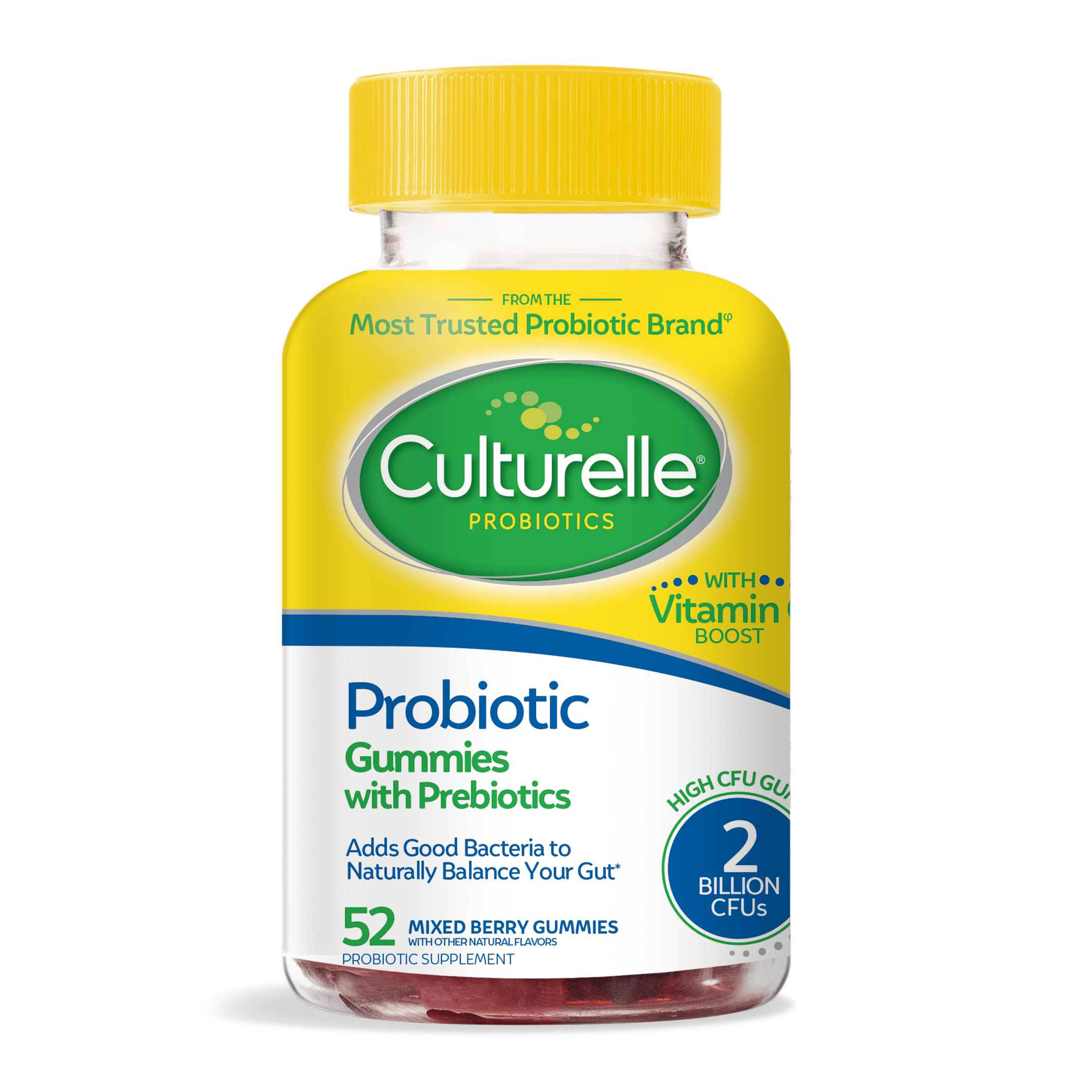
3. Try Prebiotic Supplements: If you have trouble consuming enough high-fiber foods or want an extra boost, consider taking prebiotic supplements available at most health food stores or pharmacies after consulting with your healthcare provider.
4. Gradually Increase Intake: Start slowly when incorporating prebiotics into your diet to allow your digestive system to adjust. Increase intake gradually over time to avoid potential gas or bloating.
Conclusion:
As we age, taking care of our digestive health becomes increasingly important for overall well-being. Incorporating prebiotics into our diets can support a healthy gut microbiome, enhance nutrient absorption, improve digestion, strengthen the immune system, and reduce the risk of chronic diseases. By including fiber-rich foods and fermented options in our daily meals while considering supplements when necessary, older adults can enjoy the numerous benefits that prebiotics have to offer. So let’s prioritize our gut health and embrace a diet that nourishes both body and mind!

Leave a Reply