Combining plant proteins for optimal nutrition
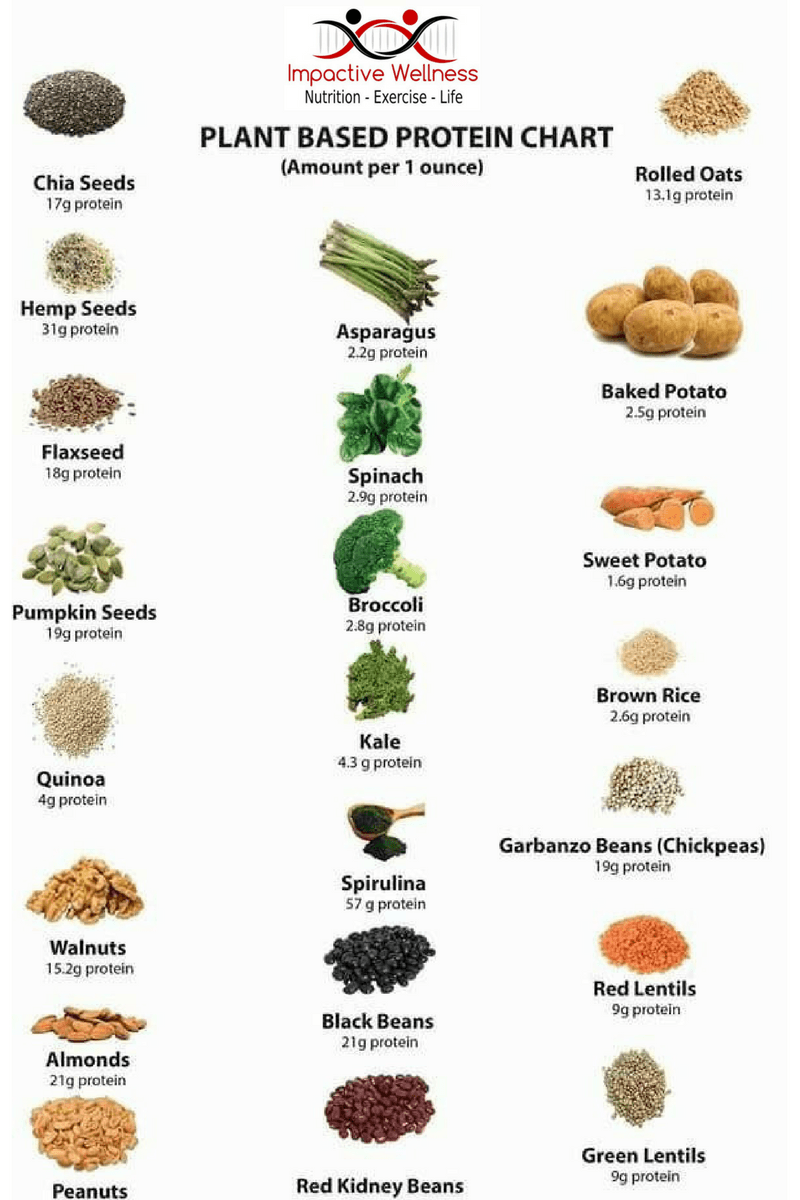
Plant-based diets have gained popularity in recent years due to their numerous health benefits and positive impact on the environment. However, one common concern among individuals following a plant-based diet is ensuring they are getting all the essential amino acids that are typically found in animal products. The good news is that by combining different plant proteins, it is possible to create a complete protein source that meets your nutritional needs.
Amino acids are the building blocks of protein and play a crucial role in various bodily functions such as muscle repair, hormone production, and immune system support. While animal products contain all nine essential amino acids needed by our bodies, most individual plant sources do not provide them in sufficient quantities. However, by strategically combining plant proteins from different sources, you can obtain a complete amino acid profile.
One popular combination is rice and beans. Rice is low in lysine but high in methionine, while beans are rich in lysine but low in methionine. By eating these two foods together as part of a meal or throughout the day, you can benefit from complementary amino acid profiles and create a complete protein source.
Another great combination is whole grains with nuts or seeds. Grains like quinoa or buckwheat are excellent sources of lysine but lack sufficient amounts of tryptophan and methionine. On the other hand, nuts and seeds like almonds or chia seeds offer an abundance of these missing amino acids. By incorporating both into your diet regularly, you can optimize your protein intake.
Additionally, many legumes such as lentils or chickpeas complement grains exceptionally well. Legumes tend to be deficient in sulfur-containing amino acids like cysteine and methionine but are high in lysine. Combining legumes with grains provides a balanced mix of essential amino acids for overall better nutrition.
It’s important to note that although combining certain plant proteins enhances their nutritional value, it is not necessary to consume them in the same meal. Our bodies have a storage system for amino acids, so as long as you consume a varied diet throughout the day or week, you can still meet your nutritional needs.
In conclusion, by combining different plant proteins in your diet, you can ensure you are getting all the essential amino acids needed for optimal nutrition. Whether it’s rice and beans, whole grains with nuts or seeds, or legumes with grains, these combinations offer a complete protein source that supports muscle growth and repair while providing ample energy for everyday activities. Embracing a variety of plant-based protein sources will help you thrive on your journey towards healthy eating.

Leave a Reply