Fermented Foods for Meal Prep:
In recent years, there has been a growing interest in fermented foods and their potential health benefits. Not only do they add depth of flavor to meals, but they also offer numerous nutritional advantages. Incorporating fermented foods into your meal prep routine can be a great way to enhance the taste and boost the overall healthiness of your meals.
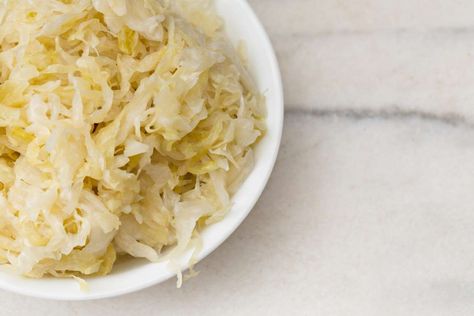
1. Sauerkraut: Sauerkraut is one of the most popular fermented foods out there, made from cabbage that has been finely shredded and then fermented with lactic acid bacteria. It is rich in probiotics, which promote gut health by balancing the microbiome. Including sauerkraut in your meal prep can add tanginess and crunch to salads or as a topping on sandwiches.
2. Kimchi: Similar to sauerkraut, kimchi is a Korean staple made from fermented cabbage and other vegetables like radishes and carrots. It is packed with vitamins A, B, and C as well as beneficial bacteria known as lactobacilli. Add kimchi to rice bowls or stir-fries for an extra kick of flavor.
3. Kefir: Kefir is a cultured milk product that tastes similar to yogurt but has a thinner consistency due to its fermentation process using kefir grains – small gelatinous colonies of yeast and bacteria. It contains high levels of probiotics, calcium, protein, and vitamin D. Enjoy kefir on its own or blend it into smoothies for added creaminess.
4. Yogurt: Yogurt has long been celebrated for its probiotic content which supports digestion and immune function. When choosing yogurt for meal prepping purposes, opt for plain varieties without added sugars or artificial flavors or colors.
5. Pickles: Pickles are cucumbers that have been soaked in brine containing vinegar or saltwater solution until they undergo fermentation by naturally occurring yeasts on their skins. They can be a tasty addition to sandwiches, wraps, or salads.
6. Kombucha: Kombucha is a fermented tea that has gained popularity in recent years due to its potential health benefits. It contains beneficial bacteria and yeasts and is often consumed as a refreshing beverage. However, it can also be used as an ingredient in salad dressings or marinades to add depth of flavor.
When incorporating fermented foods into your meal prep routine, it’s important to note that some individuals may experience gas or bloating initially due to the introduction of new probiotics. Start with small amounts and gradually increase your intake over time if you’re new to consuming fermented foods regularly.
Meal Prepping with Alternative Grains:
For those looking for variety in their meal prep routine or who have dietary restrictions such as gluten intolerance, alternative grains are an excellent option. These grains offer unique flavors, textures, and nutritional profiles that can spice up your meals while providing essential nutrients.
1. Quinoa: Quinoa is a versatile grain originating from South America that has gained immense popularity worldwide due to its high protein content and complete amino acid profile. It cooks quickly and can be used as a base for grain bowls, added to salads or soups, or even used as a substitute for rice in stir-fries.
2. Buckwheat: Despite its name, buckwheat is not related to wheat; it’s actually a seed! Rich in fiber and minerals like manganese and magnesium, buckwheat makes an excellent gluten-free alternative for pancakes (as flour), porridge (as groats), or even as a rice substitute when cooked.
3. Millet: Millet is an ancient grain widely consumed around the world but less known in Western cuisine. It offers numerous health benefits including being rich in antioxidants and having anti-inflammatory properties. Use millet instead of couscous or rice for pilafs or tabbouleh-style salads.
4. Amaranth: Amaranth is a tiny seed packed with protein, fiber, and essential minerals like iron and calcium. It has a nutty flavor and can be used in both sweet and savory dishes. Cooked amaranth can be enjoyed as a hot cereal or added to baked goods for an extra nutritional boost.
5. Teff: Teff is a nutritious grain originating from Ethiopia that’s naturally gluten-free and rich in iron, calcium, and resistant starch. It’s commonly ground into flour for making injera (Ethiopian flatbread) but can also be used as a base for porridge or in place of rice or quinoa.
6. Sorghum: Sorghum is an ancient grain known for its high fiber content, antioxidants, and potential anti-inflammatory properties. It has a mild flavor profile similar to wheat berries or barley. Use sorghum cooked as a side dish, in salads, soups or stews.
7. Wild Rice: Despite the name “rice,” wild rice is not actually rice; it’s the seed of aquatic grass native to North America! This nutrient-dense grain offers higher protein content compared to regular white rice while being lower in carbohydrates. Incorporate wild rice into casseroles or use it as stuffing for vegetables.
Experimenting with these alternative grains can bring excitement to your meal prep routine while ensuring you’re getting essential nutrients from diverse sources.
Budget-Friendly Meal Prep Ideas:
Eating healthy doesn’t have to break the bank! With some strategic planning and smart choices, you can create delicious meals on a budget without compromising nutrition or taste.
1. Plan your meals: Start by creating a weekly meal plan based on ingredients that are currently on sale at your local grocery store or farmer’s market. By knowing exactly what you need before heading out to shop, you’ll avoid impulse purchases and reduce food waste.
2. Buy in bulk: Consider purchasing staple items like grains, legumes, nuts, and seeds in bulk. This approach usually offers significant savings compared to buying smaller quantities. Store them properly to maintain freshness.
3. Use frozen fruits and vegetables: Frozen produce is often more affordable than fresh options and can be just as nutritious since they are typically picked at peak ripeness and flash-frozen to preserve their nutrients. They also last longer, reducing waste.
4. Cook in batches: Take advantage of sales or discounts on meats or proteins by cooking large batches at once and portioning them out for later use. You can freeze individual servings for quick and convenient meals throughout the week.
5. Embrace leftovers: Leftovers are a budget meal prepper’s best friend! Instead of throwing away uneaten food, repurpose it into new dishes or create “build-your-own” bowls where everyone can customize their meals using leftover ingredients.
6. Make your own snacks: Snacks bought from stores can quickly add up expenses over time. Opt for homemade snacks like energy balls, granola bars, or roasted chickpeas that you can make in bulk for a fraction of the cost.
7. Utilize inexpensive protein sources: Beans, lentils, eggs, tofu (if not allergic), canned fish like tuna or salmon (when on sale), and chicken thighs tend to be more budget-friendly protein options compared to pricier cuts of meat while still offering essential nutrients.
8. Shop seasonally: Seasonal produce is often cheaper because it’s abundant during that particular time of year – take advantage of this by incorporating seasonal fruits and vegetables into your meal prep recipes.
9. Don’t underestimate pantry staples: Items such as canned tomatoes, tomato paste, spices/herbs (buying dried versions instead of fresh), broth/stock cubes or powder; vinegar; soy sauce; mustard; oils (olive oil/coconut oil); flour; and pasta can be used in multiple recipes, providing bang for your buck.
10. Grow your own herbs: If you have the space and time, consider growing your own herbs like basil, parsley, or mint. They are relatively easy to grow and can save you money in the long run compared to buying them fresh from the store.
With a little creativity and planning, it’s possible to enjoy nutritious meal prep on a budget while still savoring delicious flavors.
Meal Prepping for Picky Eaters:
Meal prepping can be a challenge when dealing with picky eaters who have specific likes and dislikes when it comes to food. However, by incorporating some clever strategies into your meal prep routine, you can ensure that everyone’s dietary preferences are met without compromising nutrition or resorting to unhealthy options.
1. Involve picky eaters in meal planning: Allow them to contribute by suggesting their favorite ingredients or meals they would like to try. By involving them in the decision-making process, they will feel more invested in the meals being prepared.
2. Offer familiar but varied options: Introduce new foods alongside familiar ones so that picky eaters don’t feel overwhelmed or resistant to trying something new. For example, if they enjoy chicken nuggets, serve baked chicken tenders coated with crushed whole-grain crackers instead of breadcrumbs for added nutritional value.
3. Hide vegetables creatively: Sneak vegetables into meals where their taste is less detectable but adds nutritional value. For instance, puree cooked cauliflower or carrots and mix them into mashed potatoes or macaroni and cheese – this way even fussy eaters won’t notice!
4. Make customizable meals: Prepare components separately so that each family member can assemble their plate according to their preferences. For example, create DIY taco bowls with various toppings such as grilled chicken (or tofu), beans (black beans/pinto beans), shredded lettuce/cabbage (for crunch), diced tomatoes, shredded cheese (or vegan cheese alternative), and a dollop of plain yogurt or guacamole.
5. Offer dips and sauces: Sometimes, picky eaters simply need a little something extra to make a meal more appealing. Serve meals with simple homemade dipping sauces like hummus, tzatziki, salsa, or even ketchup for added flavor options.
6. Gradual exposure to new foods: Introduce new ingredients gradually by incorporating small amounts alongside familiar choices in their meals. Over time, they may become more receptive to trying new flavors.
7. Offer variety within familiar dishes: For example, if your picky eater enjoys pasta dishes, try using different types of pasta shapes or whole wheat alternatives and experiment with various sauces – marinara sauce one day and pesto the next.
8. Make it visually appealing: Picky eaters are often drawn to colorful and visually appealing presentations. Use vibrant vegetables like bell peppers or cherry tomatoes in salads or garnish dishes with fresh herbs for an enticing appearance.
9. Be patient and persistent: Encourage your picky eater to try new foods without forcing them too much – remember that it can take multiple exposures before someone develops a taste for something new.
10. Keep snacks healthy but enjoyable: Prepare pre-portioned snack packs with options such as sliced fruits/vegetables paired with hummus or nut butter; yogurt cups topped with granola; popcorn seasoned with herbs/spices/nutritional yeast; or homemade energy balls made from oats/dates/nuts/seeds/cocoa powder/coconut flakes.
By implementing these strategies into your meal prep routine, you can cater to the preferences of picky eaters while still ensuring they receive balanced nutrition from a variety of food sources.
Vegan Meal Prep Options:
Following a vegan diet doesn’t mean sacrificing flavor or convenience when it comes to meal prepping! By utilizing plant-based ingredients creatively and planning ahead, you can create delicious and satisfying vegan meals that are ready to enjoy throughout the week.
1. Buddha Bowls: Buddha bowls are a nutrient-packed meal option that typically consists of a base grain (such as quinoa or brown rice), a variety of roasted or raw vegetables, plant-based protein (tofu, tempeh, chickpeas, lentils), and a flavorful dressing. Prep individual components ahead of time and assemble when ready to eat.
2. Veggie Stir-Fry: Prepare a large batch of stir-fried vegetables using your favorites like bell peppers, broccoli florets, snap peas, mushrooms, carrots – the options are endless! Toss them with soy sauce or tamari for added flavor. Pair with cooked quinoa or noodles for an easy-to-reheat meal.
3. Chili: Whip up a hearty vegan chili packed with beans (kidney beans/black beans/pinto beans/chickpeas), tomatoes, onions, garlic, and spices like cumin and chili powder. Cook it in large quantities to portion out for multiple meals throughout the week.
4. Lentil Soups: Lentils make an excellent protein source in vegan diets while providing fiber and essential minerals. Prepare lentil soups using different combinations of vegetables such as spinach/ kale/carrots/zucchini/tomatoes along with spices/herbs like turmeric/cumin/garam masala/coriander leaves.
5. Veggie Burgers/Patties: Make homemade veggie burgers or patties using ingredients such as black beans/mushrooms/lentils/sweet potatoes/quinoa/spinach/oats/flaxseed meal/spices/herbs/onions/garlic/ nutritional yeast; bake or grill them ahead of time and store in the freezer for quick reheating during busy days.
6. Mexican-Inspired Meals: Create Mexican-inspired dishes like burrito bowls or enchiladas by combining ingredients such as black beans, corn, bell peppers, avocado, salsa, and cilantro. Serve with rice or quinoa for a complete meal.
7. Veggie Wraps/Sandwiches: Prepare wraps or sandwiches filled with hummus, roasted vegetables like eggplant/zucchini/bell peppers/carrots/sweet potatoes; greens like spinach/lettuce/arugula; and other fillings like sliced avocado/cucumber/tomatoes/red onion.
8. Zucchini Noodles/Pasta: Spiralize zucchini to create “noodles” that can be served with your favorite pasta sauce or stir-fried with other vegetables for a quick and healthy alternative to traditional pasta dishes.
9. Tofu/Tempeh Stir-Fries: Marinate tofu or tempeh in flavorful sauces such as soy sauce/teriyaki sauce/maple syrup-ginger glaze before stir-frying them along with vegetables of choice. Serve over rice or noodles for a filling meal.
10. Grain Salads: Experiment with grain salads using ingredients like cooked quinoa/farro/wild rice/barley/millet mixed with roasted vegetables/herbs/nuts/dried fruits/dressing of choice (like lemon-tahini dressing).
11. Vegan Sushi Rolls: Make sushi rolls at home using nori sheets filled with avocado slices/cucumbers/julienned carrots/spinach/tofu strips – get creative! Pair them with pickled ginger, soy sauce/tamari, and wasabi for an authentic experience.
12. Overnight Oats/Chia Pudding: Prep overnight oats by combining rolled oats/chia seeds/plant-based milk/flavorings such as vanilla extract/cocoa powder/maple syrup; refrigerate overnight and top it off in the morning with fresh fruits/nuts/seeds/coconut flakes/honey/agave nectar if desired – perfect grab-and-go breakfast option!
13. Roasted Vegetable Medley: Roast a variety of vegetables (such as cauliflower, broccoli, sweet potatoes, Brussels sprouts) with olive oil and seasonings like garlic powder, paprika, or rosemary. Enjoy them as a side dish or add to salads throughout the week.
14. Smoothie Packs: Prepare individual smoothie packs by combining frozen fruits/vegetables with added protein sources like vegan protein powder/nut butter/chia seeds/flaxseed meal; store them in the freezer for quick blending.
15. Vegan Desserts/Snacks: Treat yourself to homemade vegan desserts/snacks such as energy balls made from dates/nuts/cocoa powder/coconut flakes/chia seeds; bliss balls made from oats/dried fruits/nuts/seeds/honey/maple syrup; or banana bread/muffins using plant-based milk/applesauce instead of eggs/butter.
By incorporating these vegan meal prep options into your routine, you can enjoy delicious and nutritious meals while adhering to your plant-based lifestyle.
Gluten-Free Meal Prep Recipes:
For individuals with gluten intolerance or celiac disease, meal prepping can be a bit more challenging due to dietary restrictions. However, there are plenty of gluten-free alternatives available that allow for delicious and healthy meal options.
1. Quinoa Salad: Cook quinoa according to package instructions and mix it with chopped vegetables such as cucumbers, tomatoes, bell peppers along with fresh herbs like parsley/mint/cilantro – toss it all together in lemon vinaigrette dressing for a refreshing salad option.
2. Cauliflower Fried Rice: Use grated cauliflower in place of regular rice to create a low-carb and gluten-free version of fried rice. Add stir-fried vegetables (carrots/snap peas/bell peppers), ginger/garlic/soy sauce/tamari for flavoring along with scrambled eggs/tofu/shrimp/chicken (if desired).
3. Stuffed Bell Peppers: Fill bell peppers with a mixture of cooked quinoa, ground meat/vegan protein source, diced tomatoes, onions, herbs/spices like cumin/paprika/chili powder. Bake them until the peppers are tender and filling is heated through.
4. Zucchini Lasagna: Layer thinly sliced zucchini in place of lasagna noodles with tomato sauce, ricotta cheese (or dairy-free alternative), sautéed spinach/mushrooms/onions/garlic along with grated mozzarella (or vegan cheese) – repeat the layers and bake until golden and bubbly.
5. Chicken or Tofu Stir-Fry: Make a simple stir-fry using chicken breast or tofu cubes along with gluten-free soy sauce/tamari; add vegetables such as broccoli/carrots/snow peas/bell peppers for added nutrition. Serve it over gluten-free rice noodles or cauliflower rice.
6. Mexican Quinoa Casserole: Combine cooked quinoa with black beans/corn/diced tomatoes/chopped onions/garlic/oregano/cumin/paprika; top it off with shredded cheese (or vegan cheese); bake until bubbly and golden for a flavor-packed meal option.
7. Gluten-Free Pizza: Use premade gluten-free pizza crusts made from alternative flours such as almond flour/rice flour/quinoa flour – top it off with your favorite toppings like tomato sauce/cheese/meats/vegetables/herbs/spices to create a personalized pizza experience.
8. Salmon/Tofu Teriyaki Bowl: Marinate salmon fillets/tofu slices in homemade teriyaki sauce (gluten-free soy sauce/tamari/honey/maple syrup/grated ginger/minced garlic) before grilling/broiling them to perfection – serve atop cooked jasmine rice or quinoa alongside steamed veggies like bok choy/carrots/snow peas.

Leave a Reply