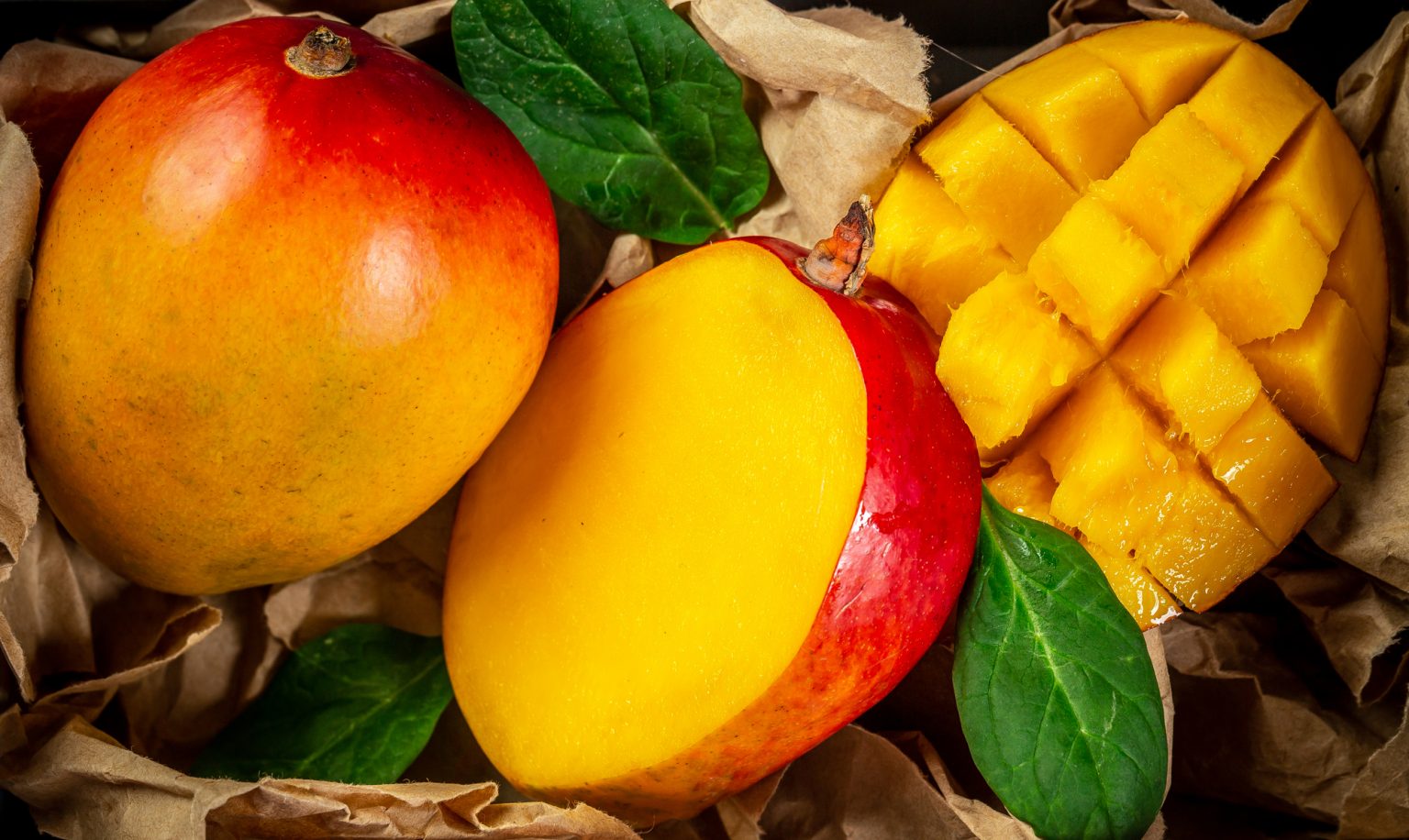
Mangoes are not only delicious but also packed with nutrients, making them a popular fruit choice for many. With over 500 different varieties of mangoes available around the world, it’s no wonder that this tropical fruit has become a staple in many cuisines. In this article, we will explore some of the most common and unique varieties of mangoes, highlighting their distinct flavors and characteristics.
1. Alphonso Mango:
Considered the king of mangoes, Alphonso is highly prized for its unparalleled sweetness and rich flavor. This variety is known for its vibrant orange color, smooth texture, and aromatic fragrance. Alphonso mangoes are primarily grown in India and are often used to make desserts like ice cream or enjoyed on their own.
2. Tommy Atkins Mango:
The Tommy Atkins mango is one of the most widely available varieties worldwide due to its ability to withstand long transportation journeys without spoiling easily. It features a bright red skin with green accents and has a mildly sweet taste with hints of tartness. Although not as flavorful as other varieties when eaten fresh, Tommy Atkins mangos are commonly used in salsas or blended into smoothies.
3. Kent Mango:
Originating from Florida, the Kent mango boasts juicy flesh with a sweet flavor profile that is less fibrous than other types. Its skin turns from green to yellow as it ripens, indicating that it’s ready to be enjoyed. The Kent variety works well in salads or can be sliced and eaten on its own.
4. Ataulfo Mango (Honey Mango):
Named after Ataulfo Morales Gordillo who introduced this variety from Chiapas, Mexico in the early 20th century; Ataulfo mangos are small-sized fruits known for their creamy texture and intense sweetness reminiscent of honey. They have deep golden-yellow skin when fully ripe which contrasts beautifully with their bright yellow flesh inside. These mangos are perfect for eating fresh, blending into smoothies, or using in desserts.
5. Keitt Mango:
Keitt mangoes are large and green even when fully ripe, making them unique among mango varieties. Originally from Florida but also grown in other tropical regions like California and Hawaii, the Keitt mango has a mild flavor with a hint of tartness. It is often used in salads or as a topping for fish tacos due to its firm texture that holds up well during cooking.
6. Francis Mango:
The Francis mango is known for its strong aroma and complex flavors that range from sweet to tangy. This variety hails from Haiti but can also be found in other Caribbean islands and South America. The fruit features green skin with yellow undertones when unripe, which turns into bright golden-yellow once fully matured. Francis mangos are great for enjoying fresh or incorporating into fruity salsas.
7. Palmer Mango:
Palmer mangos have an elongated shape and their skin transitions from green to yellow as they ripen. They offer a rich sweetness coupled with slight citrus notes, making them a delightful treat when eaten fresh. Originating from South Florida, this variety is popular among locals who enjoy it straight off the tree or sliced into salads.
8. Valencia Pride Mango:
Valencia Pride mangos were first cultivated in Florida and are known for their vibrant red coloration on the outside while maintaining bright orange flesh inside. These fruits have a good balance between sweetness and acidity, offering a refreshing taste experience perfect for snacking on or adding to fruit salads.
9. Haden Mango:
Haden mangos are one of the oldest cultivated varieties originating from Coconut Grove, Florida back in 1902 by Captain John J.Haden himself! They have become popular worldwide due to their juicy flesh with flavors ranging from sweet to mildly tangy depending on ripeness level at harvest time (greenish-yellow indicates under-ripeness while bright red-orange signals full ripeness). Haden mangos can be used in a variety of dishes, from chutneys and salsas to grilled fruit desserts.
10. Manilla Mango:
Manilla mangoes are small-sized fruits with vibrant yellow skin when ripe. Originally from the Philippines, they have a sweet and tangy flavor profile that makes them ideal for both fresh consumption and cooking purposes. Manilla mangos work well in smoothies, jams, or as an ingredient in tropical salads.
In conclusion, mangoes come in various shapes, sizes, and flavors that cater to different tastes and culinary preferences. Whether you prefer the intense sweetness of Alphonso or the tartness of Tommy Atkins, there is a mango variety out there waiting to tantalize your taste buds. So next time you’re at the grocery store or local farmers’ market, try exploring some of these unique mango varieties for a truly delightful eating experience!

Leave a Reply