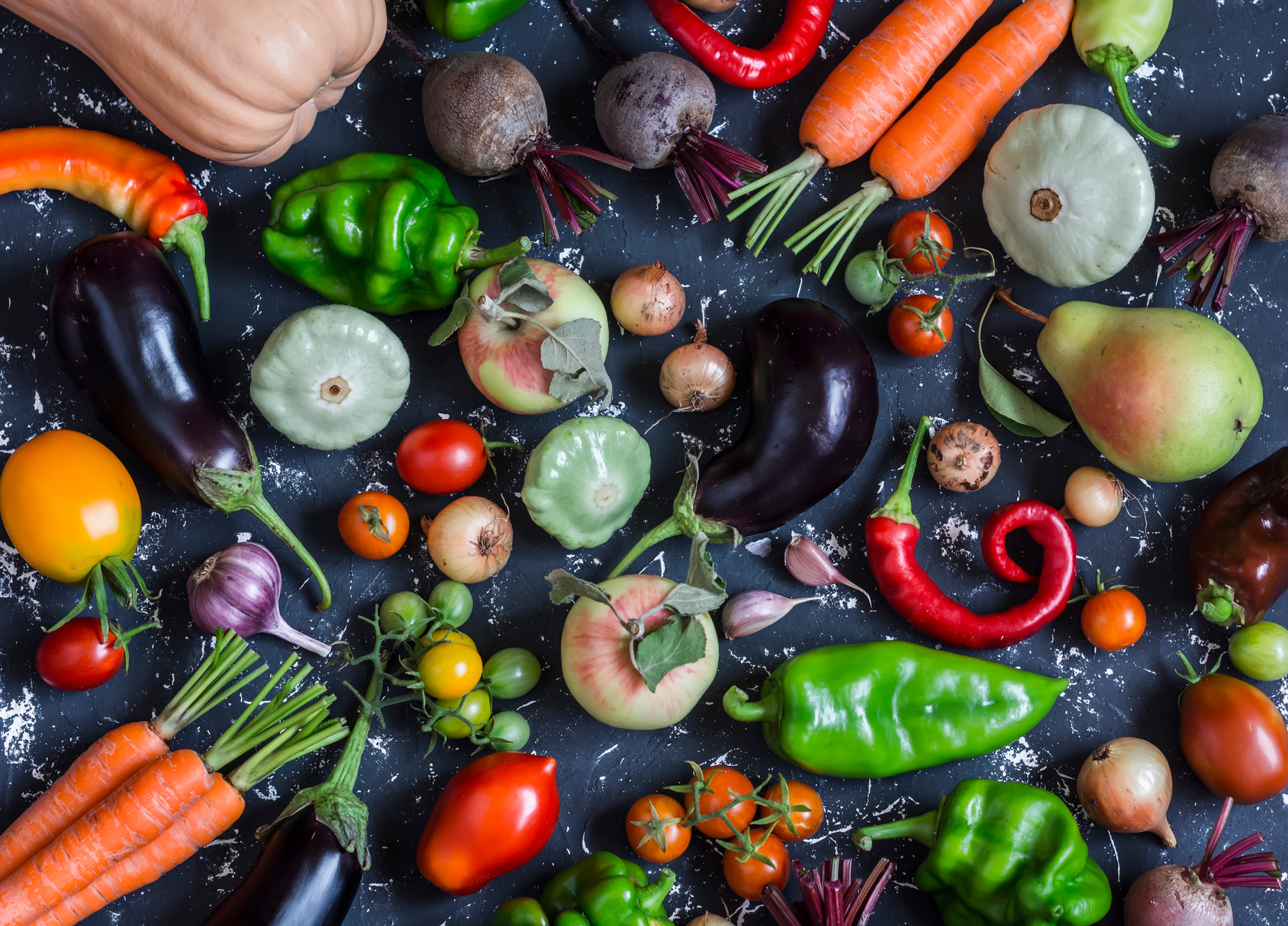
Seasonal Eating: A Guide to Nourishing Your Body and the Planet
In today’s fast-paced world, where convenience often takes precedence over nutrition, it’s easy to forget about the importance of eating with the seasons. However, embracing seasonal eating not only benefits our health but also supports local farmers and reduces our carbon footprint. By choosing fresh produce that is in season, we can enjoy a wide range of flavors, maximize nutrient intake, and contribute to a more sustainable food system.
1. What is Seasonal Eating?
Seasonal eating refers to consuming fruits and vegetables that are naturally harvested during specific times of the year in your region. It involves understanding which foods are at their peak freshness during different seasons and incorporating them into your meals.
2. The Benefits of Seasonal Eating
Eating seasonally offers numerous benefits for both our bodies and the environment. Firstly, seasonal produce is often more flavorful since it has been allowed to ripen naturally on the plant instead of being prematurely picked for long-distance transportation. This leads to better-tasting meals that can be enjoyed as nature intended.
3. Nutrient Density
Another advantage of seasonal eating is increased nutrient density in your diet. Fruits and vegetables that are grown in their proper seasons have higher levels of vitamins, minerals, antioxidants, and phytochemicals compared to out-of-season produce that may have traveled long distances or been stored for extended periods.
4. Cost-Effectiveness
When you choose fruits and vegetables that are abundant in your area at any given time, they tend to be more affordable due to reduced transportation costs. Local farmers who sell directly or through farmer’s markets often offer competitive prices for their freshly harvested goods.
5.Supporting Local Agriculture
By opting for seasonal produce from local farmers’ markets or joining Community Supported Agriculture (CSA) programs, you actively support small-scale agriculture within your community. This helps sustain local economies while fostering a stronger connection between consumers and growers.
6. Environmental Impact
The environmental benefits of seasonal eating are significant. When we consume out-of-season produce, it often needs to be transported long distances, resulting in increased greenhouse gas emissions from transportation vehicles. By choosing local, seasonal options, we reduce our carbon footprint and contribute to a more sustainable food system.
7. How to Identify Seasonal Produce
Knowing which fruits and vegetables are in season can seem daunting at first, but with some guidance, it becomes easier. Local farmer’s markets and grocery stores that prioritize sourcing locally will generally stock seasonal produce prominently labeled as such. Additionally, many resources exist online like websites or mobile applications that help identify what’s in season based on your location.
8. Planning Your Meals Around the Seasons
Embracing seasonal eating requires some planning but can be an enjoyable experience once you get the hang of it. Start by researching what is currently in season in your area or simply take a stroll through your local farmer’s market for inspiration.
9.Incorporating Seasonal Foods into Your Diet
Once you’ve identified the produce available during a particular season, find creative ways to incorporate them into your meals. Experiment with new recipes or modify existing ones by substituting out-of-season ingredients with those that are currently abundant.
10.The Joy of Variety
Seasonal eating encourages variety in our diets since different fruits and vegetables thrive during different times of the year. This diversity not only keeps our taste buds excited but also ensures we receive a wide range of nutrients necessary for optimal health.
11.Seasonal Eating Beyond Fruits and Vegetables
While fruits and vegetables may be at the forefront when discussing seasonal eating, it extends beyond plant-based foods alone. Seafood availability varies throughout the year due to spawning seasons, so exploring local fish markets for sustainably caught seafood is another way to embrace this practice.
12.Celebrating Traditions
Lastly, embracing seasonal eating allows us to reconnect with our food heritage and celebrate cultural traditions. Many cultures have long-standing culinary practices that revolve around seasonal ingredients, so by incorporating these into our meals, we not only enjoy delicious dishes but also honor our roots.
In conclusion, seasonal eating is an opportunity to nourish both ourselves and the planet. By choosing locally sourced, in-season produce, we can savor flavorful meals while supporting local farmers and minimizing our environmental impact. So next time you’re planning your menu, remember to eat with the seasons – your taste buds and Mother Earth will thank you!

Leave a Reply