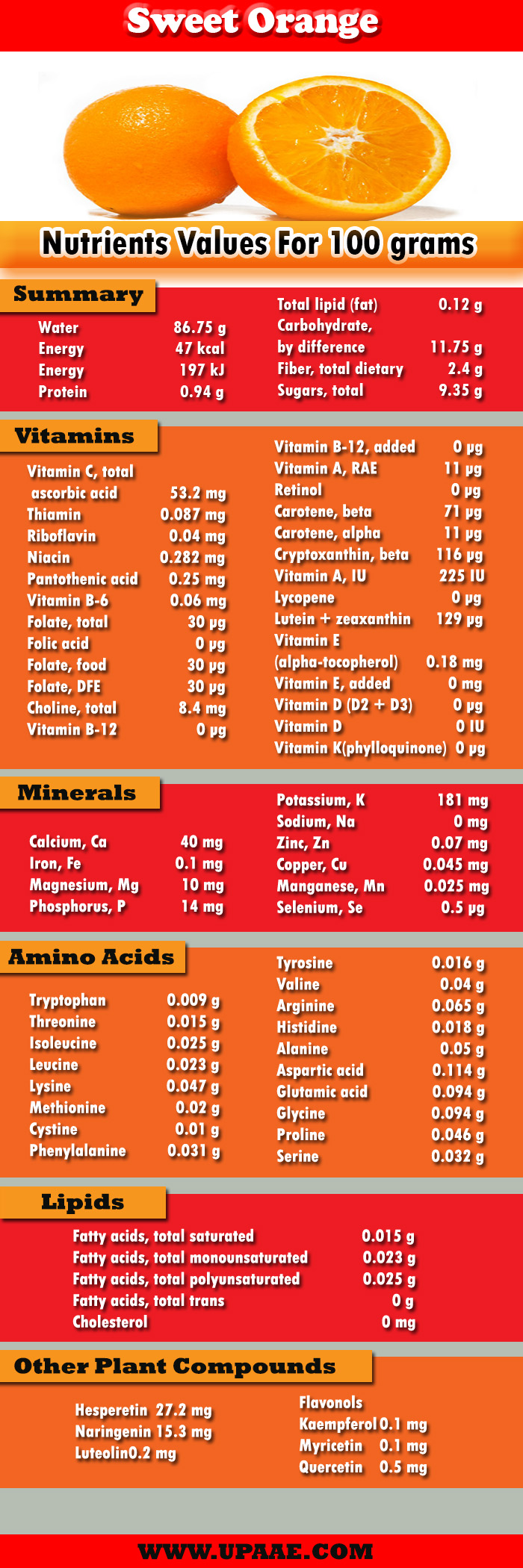
Oranges are not only delicious but also packed with essential nutrients that can benefit your overall health. This citrus fruit is known for its vibrant color and refreshing taste, making it a popular choice for many people. In this article, we will explore the nutritional value of oranges and why they should be included in a healthy eating plan.
One medium-sized orange (approximately 154 grams) contains about 80 calories. While oranges are relatively low in calories, they are rich in vitamins, minerals, and fiber. Let’s delve deeper into the specific nutritional components found in oranges:
Vitamin C: Oranges are famously known for their high vitamin C content. One medium-sized orange provides approximately 70 milligrams of vitamin C, which is more than enough to meet the recommended daily intake for adults. Vitamin C plays a crucial role in boosting the immune system, promoting collagen production, enhancing iron absorption, and protecting against oxidative stress.
Fiber: Oranges contain both soluble and insoluble fiber. Soluble fiber helps regulate blood sugar levels by slowing down digestion and preventing rapid spikes in glucose levels. Insoluble fiber aids in maintaining regular bowel movements and promotes gut health by adding bulk to stool formation.
Vitamin A: Oranges are an excellent source of beta-carotene, which gets converted into vitamin A within the body. Vitamin A supports eye health by protecting the cornea and promoting good vision under low-light conditions.
Thiamin (vitamin B1): Oranges provide a small amount of thiamin – an important B-vitamin involved in converting food into energy. Thiamin also plays a role in nerve function and muscle contraction.
Folate (vitamin B9): Folate is crucial during pregnancy as it helps prevent certain birth defects related to the neural tube development of the fetus. It is also necessary for DNA synthesis and red blood cell formation.
Potassium: Oranges contain potassium that aids proper heart functioning, muscle contractions, and nerve impulse transmission. This mineral also helps regulate blood pressure by balancing the effects of sodium.
Calcium: While oranges are not as high in calcium as dairy products, they still contribute to your daily intake. Calcium is vital for building and maintaining strong bones and teeth.
Magnesium: Oranges provide a small amount of magnesium, which is involved in hundreds of biochemical reactions within the body. Magnesium supports muscle and nerve function, regulates blood sugar levels, and promotes healthy blood pressure.
Phytochemicals: Oranges contain various phytochemicals like flavonoids (hesperidin and naringenin) that have antioxidant properties. These compounds help reduce inflammation, protect against chronic diseases such as heart disease and certain types of cancer, and support overall well-being.
Now that we understand the impressive nutritional profile of oranges let’s look at some health benefits associated with regular consumption:
1. Boosts Immunity: The high vitamin C content in oranges strengthens the immune system by supporting the production of white blood cells – our body’s defense mechanism against infections.
2. Supports Heart Health: Oranges contain antioxidants like hesperidin that may help improve heart health by reducing inflammation, improving cholesterol profiles, lowering blood pressure levels, and enhancing overall cardiovascular function.
3. Aids Digestion: The fiber content in oranges promotes healthy digestion by preventing constipation and maintaining bowel regularity.
4. Promotes Skin Health: Vitamin C plays a crucial role in collagen synthesis – a protein responsible for maintaining skin elasticity. Consuming oranges can contribute to healthier-looking skin.
5. Reduces Cancer Risk: The phytochemicals found in oranges possess anti-cancer properties due to their antioxidant effects on reducing oxidative stress within cells. Regular orange consumption has been linked to a reduced risk of certain cancers such as lung cancer or oral cavity cancers.
6. Improves Eye Health: Oranges’ vitamin A content, in the form of beta-carotene, helps protect the eyes from age-related macular degeneration and promotes good vision.
7. Supports Weight Management: Orange’s low-calorie content and high fiber content make them a great snack option for those trying to manage their weight. The fiber contributes to feelings of fullness and can help prevent overeating.
8. Hydration: Oranges are approximately 87% water, making them an excellent choice for hydration while also providing essential nutrients.
Incorporating oranges into your diet is easy due to their versatility. Here are some simple ways to enjoy this nutritious fruit:
– Eat it whole: Peel the orange and eat it as a refreshing snack.
– Juice it: Extracting fresh orange juice provides a concentrated dose of vitamin C.
– Add it to salads: The tangy flavor of oranges complements salad greens well.
– Use it in marinades or dressings: Orange juice adds a bright citrusy taste to marinades or dressings.
– Make smoothies or desserts: Blend oranges with other fruits for delicious smoothies or use them in desserts like cakes, puddings, and sorbets.
While oranges offer numerous health benefits, moderation is key. It is essential to consume a variety of fruits and vegetables as part of a balanced diet.
In conclusion, oranges are not only tasty but also incredibly nutritious. They provide an abundance of vitamins, minerals, fiber, and phytochemicals that support overall health and well-being. Adding this vibrant fruit into your daily routine can boost your immune system, promote heart health, aid digestion, improve skin quality, reduce cancer risk,and support healthy weight management. So next time you’re looking for a flavorful way to enhance your nutrition intake – reach out for an orange!

Leave a Reply