Managing Food Allergies or Sensitivities as a Pescatarian
Living with food allergies or sensitivities can be challenging, especially when following a specific dietary lifestyle like being a pescatarian. However, with the right knowledge and planning, it is entirely possible to manage these restrictions while still enjoying a healthy and varied diet. In this article, we will explore some practical tips and useful information for individuals who are both pescatarians and have food allergies or sensitivities.
Understanding Food Allergies vs. Food Sensitivities
Before diving into managing food allergies or sensitivities as a pescatarian, it is essential to understand the difference between the two terms. Food allergies involve an immune system reaction that can cause severe symptoms such as hives, difficulty breathing, or even anaphylaxis in severe cases. On the other hand, food sensitivities (also known as intolerances) typically do not involve an immune response but rather result in digestive issues like bloating, gas, diarrhea, or stomach discomfort.
Identifying Your Specific Allergens/Sensitivities
The first step in managing your food allergies or sensitivities is identifying what specific foods trigger your reactions. For individuals with known allergies already diagnosed by medical professionals, this step may already be completed. However, if you suspect you have unidentified allergens/sensitivities, it is crucial to consult with a healthcare provider specializing in allergy testing.
Once you know what foods to avoid due to your allergies/sensitivities, you can begin customizing your pescatarian diet accordingly.
Building a Balanced Pescatarian Meal Plan
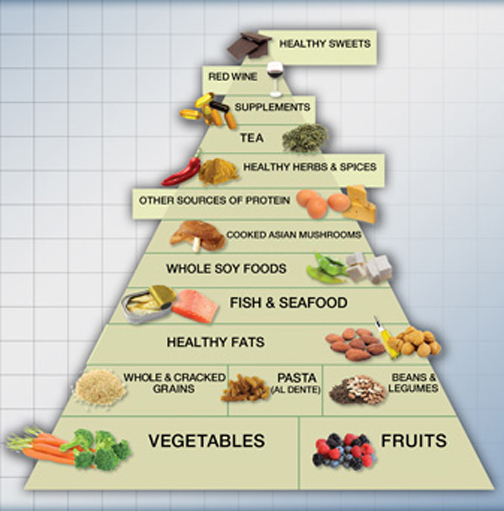
As a pescatarian with food restrictions due to allergies/sensitivities, it’s important to ensure that your diet remains well-balanced and provides all necessary nutrients. Here are some key considerations:
1. Emphasize variety: Expand your seafood choices beyond just fish by incorporating other marine foods like shrimp, crab, mussels, and oysters. This will ensure you receive a wide range of nutrients while keeping your meals interesting.
2. Plant-based proteins: Since meat is off-limits for pescatarians, it becomes crucial to incorporate plant-based protein sources such as legumes (beans, lentils), tofu, tempeh, seitan, and edamame into your diet. These options can help meet your protein needs.
3. Nutritional supplementation: Depending on the specific allergies/sensitivities you have and the elimination of certain food groups from your diet, it might be necessary to supplement with vitamins or minerals that may otherwise be obtained from restricted foods. For example, individuals avoiding dairy due to lactose intolerance might need calcium and vitamin D supplements.
Navigating Common Allergens/Sensitivities
Let’s explore some common allergens/sensitivities encountered by pescatarians:
1. Gluten sensitivity/intolerance: Being a pescatarian inherently eliminates many gluten-containing foods such as meat products; however, some fish sauces or imitation seafood may contain gluten. Always read labels carefully or opt for gluten-free alternatives if needed.
2. Shellfish allergies: If you are allergic to shellfish but still want to enjoy seafood flavors in your dishes, consider using seaweed-based products like nori sheets or kelp granules for an umami taste.
3. Dairy sensitivities/intolerances: Many pescatarians rely on dairy products like cheese or yogurt for additional protein and calcium intake. However, those with lactose intolerance can explore dairy-free alternatives made from nuts (almond milk) or soy (soy yogurt).
4. Soy allergies/sensitivities: Some individuals who follow a pescatarian diet opt for soy-based protein substitutes like tofu or tempeh; however, soy allergies can limit these options. Look out for alternative plant-based protein sources like seitan or legumes.
5. Nut allergies: Nuts provide a good source of healthy fats, but for those with nut allergies, it is crucial to find alternative sources of omega-3 fatty acids. Consider incorporating flaxseeds, chia seeds, or hemp seeds into your diet.
Reading Labels and Dining Out
When managing food allergies/sensitivities as a pescatarian, it’s essential to become proficient in reading labels and understanding potential hidden allergens in processed foods. Familiarize yourself with common ingredient names that may indicate the presence of allergens you need to avoid.
Additionally, dining out can be challenging when you have dietary restrictions. Before visiting a restaurant, research their menu online or call ahead to inquire about allergen-friendly options. Most establishments are accommodating and will work with you to create a safe meal.
Final Thoughts
Managing food allergies or sensitivities while following a pescatarian lifestyle requires some extra effort and planning; however, it is entirely feasible with the right knowledge and resources at hand. By identifying your specific allergens/sensitivities, building balanced meal plans, navigating common restrictions encountered by pescatarians, and being vigilant about label reading and dining out choices—you can live healthily and deliciously within your dietary boundaries. Remember to consult with healthcare professionals specializing in nutrition if needed for personalized guidance suited to your unique needs.

Leave a Reply