Profitability of Value-Added Farm Products: A Comprehensive Guide
Introduction:
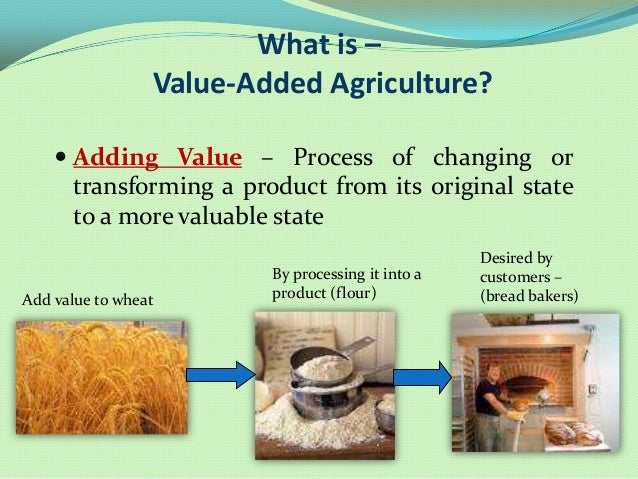
Value-added farm products refer to agricultural goods that have undergone a transformation process, resulting in a product with increased value and market appeal. These products often involve additional processing or packaging, which allows farmers to charge higher prices and potentially increase their profit margins. However, determining the profitability of value-added farm products requires careful consideration of various factors. In this comprehensive guide, we will explore the key aspects that influence the profitability of these products.
1. Market Research:
Before venturing into value-added farming, it is essential to conduct thorough market research. Understanding consumer demand for specific value-added products in your area can help you identify potential opportunities and avoid wasting resources on low-demand items.
Consider conducting surveys or engaging with local farmers’ markets and specialty food stores to gauge interest in your proposed value-added product(s). Additionally, analyze existing market trends and preferences to determine whether there is a sustainable demand for your intended offering.
2. Product Development:
Developing a successful value-added product involves identifying unique selling points (USPs) that differentiate it from similar offerings already available on the market. The USP could be related to flavor profiles, ingredients used, packaging design, or ethical/sustainable production methods.
Conduct taste tests and gather feedback from potential customers during the development phase to ensure your final product meets their expectations. This iterative approach will not only enhance customer satisfaction but also improve its overall viability in terms of profitability.
3. Cost Analysis:
To determine profitability accurately, it is crucial to understand all costs associated with producing your value-added farm product(s). Consider both direct costs (e.g., raw materials) as well as indirect costs (e.g., labor, equipment maintenance). By tracking expenses meticulously across every stage of production—from sourcing raw materials to packaging—the true cost per unit can be determined more accurately.
Additionally, account for overheads such as marketing expenses (packaging, advertising) and distribution costs (transportation, storage facilities). Understanding the full cost structure will provide a clearer picture of your profit margins.
4. Pricing Strategy:
Setting an appropriate price for your value-added farm product is critical to profitability. It should strike a balance between being attractive to customers while also covering production costs and generating a profit.
Consider factors such as market demand, competition, target customer profile, packaging quality, and perceived value when determining pricing. Analyze similar products in the market to gain insights into prevailing prices and adjust accordingly based on your unique selling points.
5. Marketing and Promotion:
Effective marketing plays a pivotal role in driving sales for value-added farm products. Develop a comprehensive marketing plan that leverages various channels such as social media platforms, local farmers’ markets/events, online marketplaces, or collaborations with retailers.
Highlight the unique aspects of your product(s) through compelling storytelling and emphasize how they align with current consumer trends (e.g., organic farming practices or sustainable packaging). Engage with potential customers by offering samples at events or partnering with influencers who can promote your product(s).
6. Distribution Channels:
Identifying appropriate distribution channels is crucial for getting your value-added farm products into the hands of consumers efficiently. Consider multiple options such as direct-to-consumer sales through an online store or traditional retail partnerships.
Direct sales may offer higher profit margins but require significant investment in e-commerce infrastructure (website development, secure payment systems). On the other hand, wholesaling to retailers might involve lower margins but can help reach broader customer bases without extensive logistical requirements.
7. Scalability:
When assessing profitability potential for value-added farm products, it’s important to consider scalability—whether you intend to start small or have plans for expansion in the future.
Evaluate whether you’ll be able to meet increasing demand while maintaining consistent quality standards during scale-up processes. Assess any additional resources required (equipment upgrades, labor force), potential impact on profit margins, and the long-term sustainability of your business model.
8. Regulations and Certifications:
Value-added farm products may be subject to specific regulations and certifications depending on the type of processing involved. Ensure compliance with food safety standards, labeling requirements, and any necessary licensing or permits for manufacturing certain goods (e.g., dairy or meat products).
Certifications such as organic, fair trade, or non-GMO can enhance marketability and potentially justify higher price points. However, consider associated costs and ongoing maintenance requirements before pursuing these certifications.
Conclusion:
Profitability in value-added farming depends on a combination of factors including market research, product development, cost analysis, pricing strategy, marketing efforts, distribution channels, scalability plans, and regulatory compliance. By carefully considering each aspect outlined in this comprehensive guide while adapting it to suit your unique circumstances as a farmer/producer, you will increase your chances of success in the value-added farm product industry. Remember that profitability is not solely determined by financial gains but also by creating sustainable businesses that meet consumer demands while supporting local communities’ economic growth.

Leave a Reply