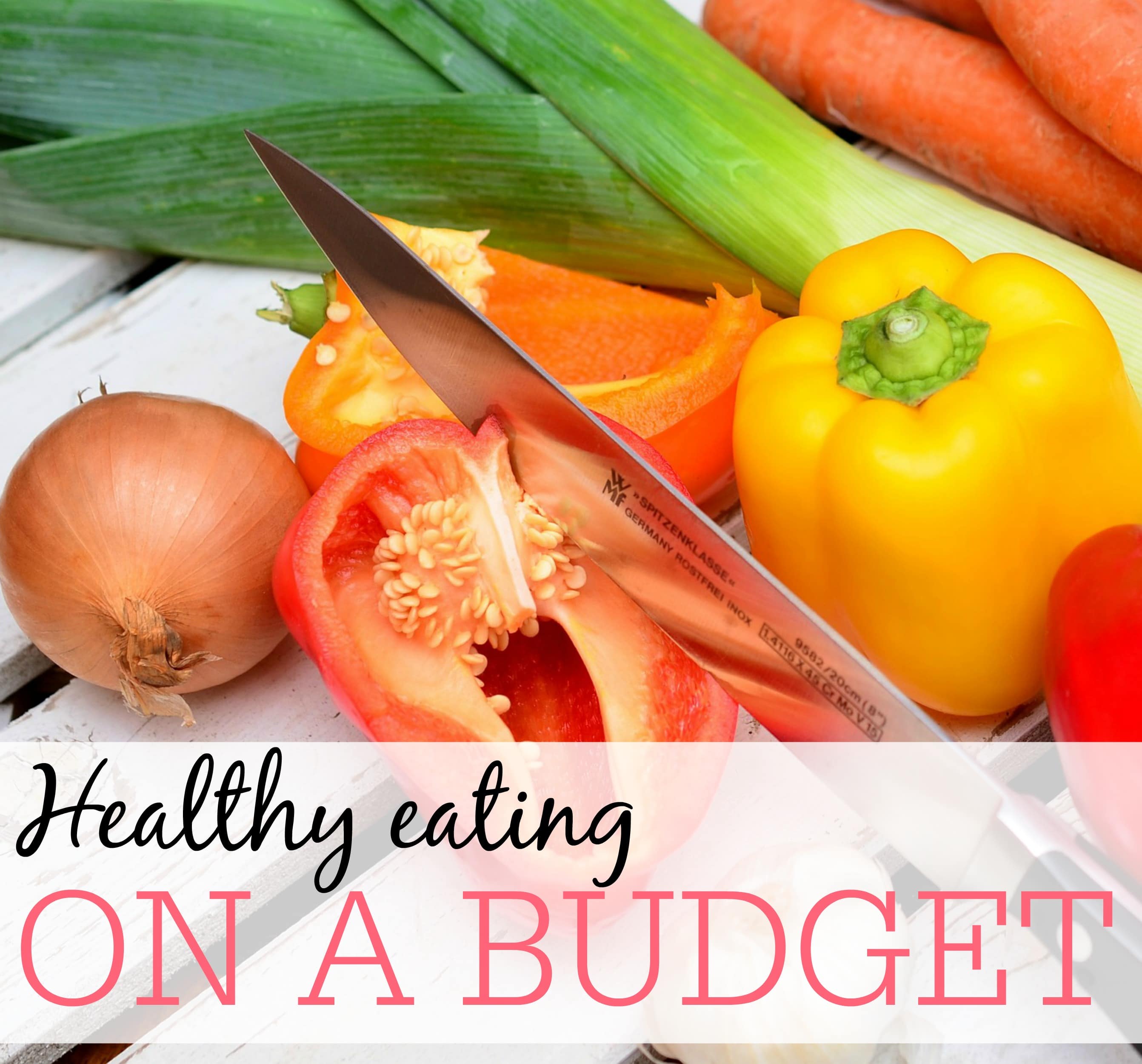
Eating healthy on a limited income can be a challenge, but it is not impossible. With some planning, smart shopping, and creative meal preparation, you can nourish your body with nutritious food while sticking to a tight budget. In this article, we will explore eight practical tips for eating healthy on a limited income.
1. Plan your meals and create a budget:
Before heading to the grocery store, take some time to plan your meals for the week. Consider incorporating affordable staples like rice, beans, lentils, potatoes, and seasonal vegetables into your meal plans. Once you have planned your meals, make a budget based on what you need and stick to it when shopping.
2. Buy in bulk:
Buying staple foods such as grains (rice or pasta), legumes (beans or lentils), and nuts in bulk can save you money in the long run. Look for wholesale stores or co-ops that offer discounted prices for buying larger quantities of these items. Remember to store them properly in sealed containers to maintain their freshness.
3. Focus on whole foods:
Processed foods often come with higher price tags due to packaging and marketing costs. Instead of opting for packaged snacks or pre-made meals, prioritize whole foods like fruits, vegetables, whole grains (like oatmeal or quinoa), lean proteins (such as chicken breast or tofu), and dairy products (milk or yogurt). These options are not only more affordable but also provide better nutrition.
4. Shop sales and use coupons wisely:
Keep an eye out for weekly sales at your local grocery store by checking their flyers or websites regularly before making a trip. Plan your meals around these sale items whenever possible to maximize savings without compromising quality. Additionally, use coupons selectively; focus on those that apply directly to the items already on your shopping list rather than being tempted by unnecessary purchases just because there’s a coupon available.
5. Explore frozen fruits and vegetables:
Fresh produce is undeniably healthy, but it can also be expensive, especially when certain items are out of season. Opt for frozen fruits and vegetables as a budget-friendly alternative. They are just as nutritious as their fresh counterparts since they are typically picked at peak ripeness and flash-frozen to retain maximum nutrients. Plus, they have a longer shelf life, reducing the chances of wastage.
6. Cook from scratch:
Preparing meals at home using whole ingredients is not only healthier but also more cost-effective than relying on pre-packaged or takeout meals. Experiment with simple recipes that use affordable ingredients and try your hand at meal prepping to save time during busy weekdays. By cooking from scratch, you can control portion sizes and choose healthier cooking methods like grilling or steaming.
7. Utilize leftovers:
Avoid wasting food by repurposing leftovers into new dishes instead of throwing them away. For example, leftover roasted chicken can be used in salads or sandwiches the next day, while vegetable scraps can be turned into stock for soup or broth.
8. Grow your own herbs and vegetables:
Consider starting a small herb garden or growing some easy-to-maintain vegetables like lettuce or tomatoes in pots if you have space available. Not only will this provide you with fresh produce right at your fingertips but also help reduce grocery expenses over time.
In conclusion, eating healthy on a limited income requires careful planning and smart choices when it comes to shopping and meal preparations. By incorporating these eight tips into your routine – planning meals ahead, buying in bulk, focusing on whole foods, shopping sales wisely, exploring frozen options, cooking from scratch utilizing leftovers effectively and growing your own produce – you can maintain a nutritious diet without breaking the bank.

Leave a Reply