In recent years, there has been a growing interest in vegetarian and plant-based diets due to their numerous health benefits. However, one concern that often arises when following a vegetarian diet is ensuring adequate iron intake. Iron is an essential mineral that plays a crucial role in carrying oxygen throughout the body and maintaining overall health. Fortunately, with some careful planning and knowledge about plant-based sources of iron, it is entirely possible to meet your daily iron requirements on a vegetarian diet. In this article, we will explore some tips and guidelines to help you ensure sufficient iron intake while adhering to a vegetarian lifestyle.
1. Understand the two types of dietary iron:
Iron can be obtained from both animal and plant sources but is classified into two types: heme iron and non-heme iron. Heme iron is found exclusively in animal foods like red meat, poultry, and seafood. Non-heme iron, on the other hand, comes from plant-based sources such as legumes (beans and lentils), whole grains, nuts, seeds, leafy greens (spinach and kale), tofu, tempeh, fortified cereals or breads.
2. Pair non-heme iron with vitamin C-rich foods:
Non-heme iron absorption can be enhanced by consuming it alongside vitamin C-rich foods such as citrus fruits (lemons or oranges), strawberries or kiwis. Including these fruits in your meals can significantly improve your body’s ability to absorb the non-heme form of dietary iron.
3. Optimize mineral absorption by avoiding inhibitors:
Certain substances present in certain foods inhibit the absorption of dietary minerals like calcium and tannins found in tea or coffee reduces the bioavailability of non-heme Iron; oxalates found in spinach also inhibit absorption at high levels if consumed raw but cooking them helps reduce its impact on absorption; phytates present mainly in whole grains (like wheat bran) bind with minerals including Iron making them less available to the body. While it is not necessary to eliminate these foods, it can be helpful to consume them in moderation and separate from iron-rich meals.
4. Incorporate iron-rich plant-based foods into your diet:
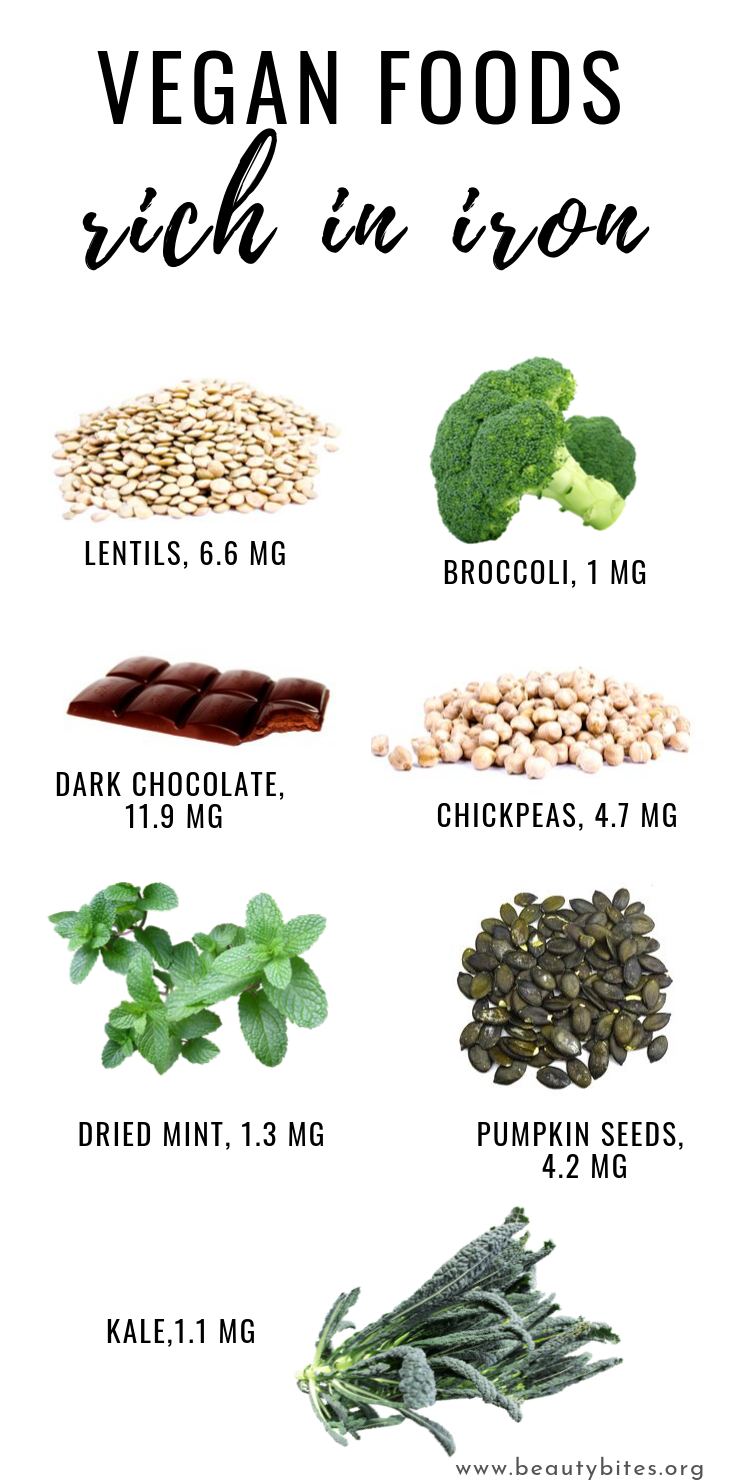
To ensure adequate iron intake, include a variety of iron-rich plant-based foods in your daily meals. Legumes such as lentils and beans are excellent sources of non-heme iron. Opt for whole grains like brown rice, quinoa, or oats which provide both fiber and iron. Green leafy vegetables like spinach, kale, and broccoli are also rich in non-heme iron along with other essential vitamins and minerals. Additionally, incorporating dried fruits (like apricots or raisins), nuts (such as almonds or cashews), seeds (flaxseeds or chia seeds), and fortified cereals or breads can help boost your overall iron intake.
5. Consider using cast-iron cookware:
Cooking with cast-iron pots/pans can increase the amount of dietary iron you obtain from your food since small amounts of the mineral leach into the cooked food during preparation. However, keep in mind that acidic foods may absorb more significant amounts of this mineral when cooked in cast-iron cookware than non-acidic ones.
6. Be mindful of your protein intake:
Protein plays a crucial role in transporting oxygen throughout the body alongside Iron; hence it is essential to maintain an adequate protein consumption while following a vegetarian diet. Including plant-based sources of protein such as legumes (beans and lentils), tofu/tempeh/edamame products made from soybeans along with whole grains will ensure you get enough amino acids necessary for optimal health.
7. Monitor your iron levels regularly:
If you have concerns about meeting your daily recommended intake through diet alone or suspect an underlying deficiency due to symptoms like fatigue or weakness, consider consulting a healthcare professional who may recommend getting regular blood tests to monitor your iron levels. They will be able to advise if iron supplements are necessary, especially for women who may have higher needs due to menstruation.
In conclusion, meeting your daily iron requirements on a vegetarian diet is entirely achievable with proper planning and food choices. By incorporating a variety of iron-rich plant-based foods into your meals, optimizing absorption, and being mindful of protein intake, you can ensure that you maintain optimal health while following a vegetarian lifestyle. Remember to consult a healthcare professional if you have concerns or suspect an underlying deficiency.

Leave a Reply