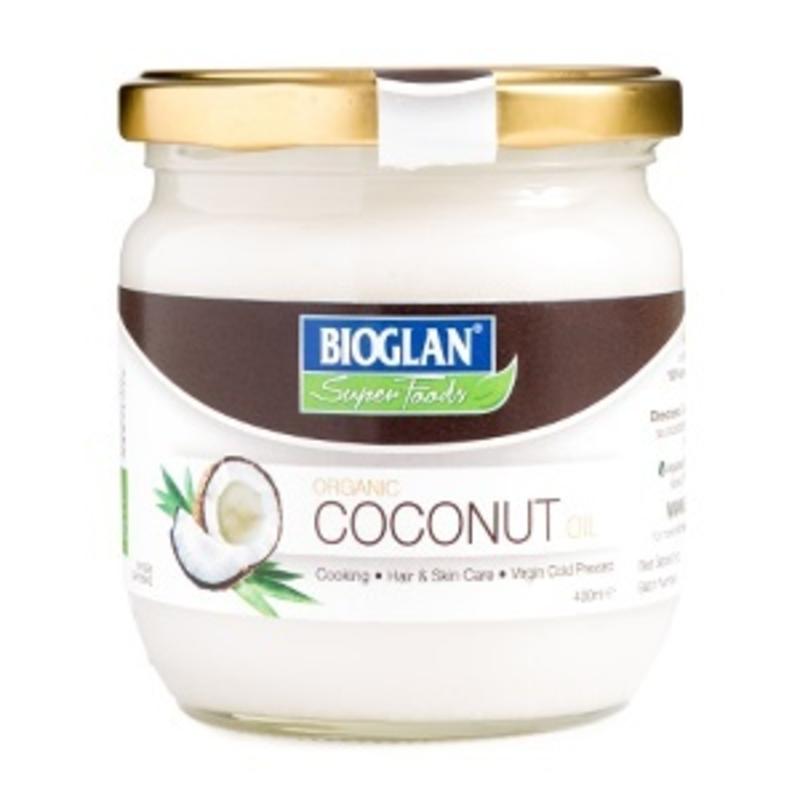
Coconut Oil: The Versatile and Healthy Superfood
In recent years, coconut oil has gained significant popularity as a versatile and healthy superfood. Derived from the meat of mature coconuts, this tropical oil is not only delicious but also offers an array of health benefits. From cooking to skincare, coconut oil has found its way into many households worldwide. In this article, we will explore the numerous advantages of incorporating coconut oil into your daily routine.
A Rich Source of Healthy Fats:
Coconut oil is predominantly composed of saturated fats (about 90%), making it highly controversial in the past due to concerns about its impact on heart health. However, recent research suggests that these saturated fats are primarily made up of medium-chain triglycerides (MCTs), which offer unique health benefits.
Unlike long-chain fatty acids found in most other oils and fats, MCTs are metabolized differently by the body. They go straight to the liver where they can be quickly converted into energy or ketones – molecules used as an alternative fuel source for both brain cells and muscles. This metabolic advantage distinguishes coconut oil from other sources of saturated fat and may contribute positively to weight management.
Supporting Heart Health:
Contrary to previous beliefs surrounding coconut oil’s impact on heart health, current studies indicate that moderate consumption may have neutral effects on cholesterol levels. While it does raise total cholesterol levels slightly, it also increases high-density lipoprotein (HDL) or “good” cholesterol levels more than low-density lipoprotein (LDL) or “bad” cholesterol.
Moreover, researchers have suggested that MCTs present in coconut oil might possess cardiovascular benefits by promoting weight loss and reducing inflammation markers often associated with heart disease risk factors such as obesity and insulin resistance. Additionally, lauric acid—a key component in coconut oil—has been shown to increase HDL cholesterol levels while simultaneously lowering LDL oxidation rates.
Enhancing Brain Function:
The unique composition of coconut oil, rich in MCTs, makes it a potential ally for brain health. As mentioned earlier, MCTs are converted into ketones that can serve as an alternative energy source for the brain. This is particularly beneficial for individuals with neurodegenerative disorders like Alzheimer’s disease.
In recent studies, researchers have explored the use of ketogenic diets or MCT supplementation as therapeutic approaches to improve cognitive function in people with Alzheimer’s disease. While more research is needed to fully understand the effects on brain health, these initial findings are promising and highlight the potential role of coconut oil in supporting mental clarity and cognitive performance.
Aids in Weight Management:
Coconut oil has gained popularity among those seeking weight loss due to its potential impact on metabolism and satiety. The medium-chain triglycerides found in coconut oil have been shown to increase energy expenditure compared to long-chain fatty acids commonly found in other dietary fats.
Furthermore, incorporating coconut oil into your diet may help curb appetite by promoting feelings of fullness. Studies suggest that MCTs enhance peptide YY (PYY) production—a hormone responsible for regulating hunger—resulting in reduced calorie intake throughout the day.
It is important to note that while coconut oil may offer some benefits regarding weight management when consumed mindfully within a balanced diet, it should not be considered a magical solution for shedding excess pounds on its own. Overall lifestyle choices such as regular exercise and a wholesome diet remain crucial factors for sustainable weight loss.
Promoting Skin Health:
Beyond its culinary uses, coconut oil has become increasingly popular within skincare routines due to its moisturizing properties and ability to soothe various skin conditions. Its high-fat content helps retain moisture by forming a protective barrier on the skin’s surface without clogging pores or causing irritation.
Coconut oil also contains anti-inflammatory compounds such as polyphenols and lauric acid that aid in reducing redness and inflammation associated with skin conditions like eczema and acne. Its natural antibacterial properties can help fight off unwanted bacteria, reducing the risk of infection.
When using coconut oil on the skin, it is essential to choose unrefined, virgin coconut oil that retains its natural compounds and nutrients for optimal benefits. It is also advisable to perform a patch test before applying it to larger areas of the body to ensure there are no adverse reactions.
Culinary Uses:
Apart from its health benefits, coconut oil brings a unique flavor profile and versatility to culinary endeavors. Its mild tropical taste pairs well with both savory and sweet dishes. Here are some ways you can incorporate coconut oil into your cooking:
1. Cooking: Coconut oil has a high smoke point (around 350°F or 175°C), making it suitable for sautéing, stir-frying, baking, and roasting.
2. Baking: Replace butter or other oils with an equal amount of melted coconut oil in baked goods like cookies, muffins, or granola bars.
3. Smoothies: Add a spoonful of coconut oil into your smoothies for added creaminess and healthy fats.
4. Salad Dressings: Make homemade dressings by combining coconut oil with vinegar or citrus juice along with your favorite herbs and spices.
5. Popcorn Topping: Drizzle melted coconut oil over freshly popped popcorn for a delicious twist.
Conclusion:
Coconut oil has emerged as more than just a trendy ingredient; it offers numerous health benefits backed by scientific research while adding flavor and versatility in various aspects of our lives – from cooking to skincare routines. Incorporating moderate amounts into your daily routine may contribute positively towards heart health, brain function, weight management efforts, and promoting healthier skin.
As always when considering dietary changes or incorporating new products into your lifestyle, consult with healthcare professionals or registered dietitians who can provide personalized guidance based on individual needs and medical history.

Leave a Reply