Calcium: The Essential Mineral for Strong Bones and More
Calcium is a vital mineral that plays a crucial role in maintaining the health of our bones, teeth, nerves, muscles, and even blood clotting. It is one of the most abundant minerals found in our bodies and is necessary for various bodily functions. While most commonly associated with bone health, calcium also contributes to several other processes within our body. In this article, we will explore the importance of calcium, its sources, recommended daily intake, potential deficiency risks, and much more.
Why do we need calcium?
1. Bone Health: Calcium forms an integral part of our bone structure and helps build strong and healthy bones throughout our lives. It provides strength and rigidity to bones while also supporting their growth and development.
2. Teeth Health: Just like bones, calcium is essential for maintaining dental health. It supports tooth enamel formation which protects against decay and cavities.
3. Muscle Function: Calcium plays a significant role in muscle contraction as well as relaxation. When nerve cells stimulate muscles to contract during physical activity or movement, it is calcium that enables this process.
4. Nerve Transmission: Proper levels of calcium are necessary for transmitting nerve signals effectively between brain cells (neurons) throughout the body.
5. Blood Clotting: Calcium assists in blood clot formation when there’s an injury or bleeding by triggering a cascade of reactions involving proteins responsible for clotting.
What are good sources of dietary calcium?
There are numerous food sources from which you can obtain your daily dose of calcium:
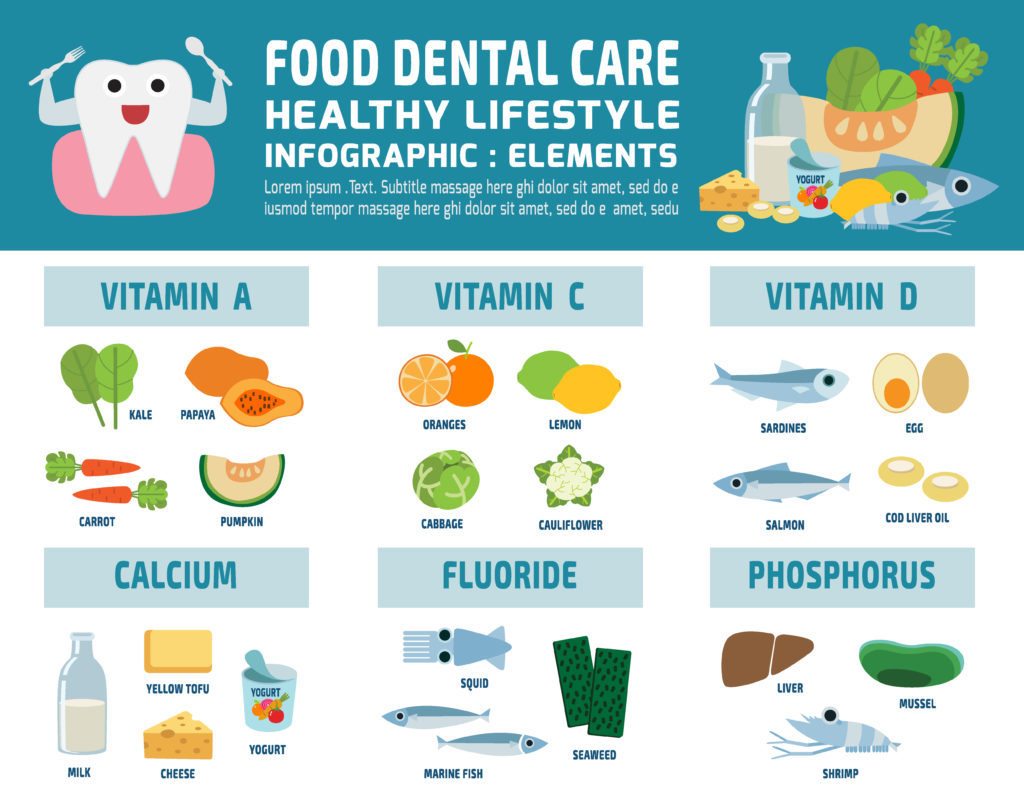
1. Dairy Products: Milk products such as milk itself (both cow’s milk or plant-based alternatives like almond or soy milk), cheese (cheddar, mozzarella), yogurt (Greek or regular), kefir – all provide high amounts of bioavailable calcium.
2. Leafy Greens: Dark green leafy vegetables like kale, spinach, collard greens contain substantial amounts of calcium. These vegetables are also rich in other nutrients and low in calories, making them an excellent choice for overall health.
3. Fish: Some fish species like salmon and sardines (with bones) are good sources of calcium. Canned salmon with soft edible bones is a particularly great option.
4. Legumes: Beans, lentils, and chickpeas are not only rich in dietary fiber but also contain decent levels of calcium.
5. Nuts and Seeds: Almonds, sesame seeds, chia seeds, and flaxseeds provide both calcium and healthy fats that contribute to heart health.
6. Fortified Foods: Certain foods such as orange juice, breakfast cereals, bread, and tofu may be fortified with added calcium to increase their nutritional value.
Recommended daily intake
The recommended daily intake (RDI) of calcium varies based on age groups:
– Infants (0-6 months): 200 mg
– Infants (7-12 months): 260 mg
– Children (1-3 years): 700 mg
– Children (4-8 years): 1,000 mg
– Adolescents (9–18 years): 1,300 mg
– Adults (19–50 years): 1,000 mg
– Men over 50 years : 1,000 mg
– Women over 50 years :1200mg
It’s important to note that these values may change depending on certain conditions like pregnancy or lactation where higher levels might be required. Consulting a healthcare professional can help determine the appropriate amount for individual needs.
What happens when you don’t get enough calcium?
A deficiency in dietary calcium can have adverse effects on our overall health:
1. Osteoporosis: Inadequate consumption of calcium throughout life can lead to weakened bone density over time which increases the risk of osteoporosis – a condition characterized by brittle and fragile bones.
2. Osteopenia: This condition refers to low bone mineral density, often considered a precursor to osteoporosis. It is also associated with an increased risk of fractures.
3. Dental Problems: Insufficient calcium intake can result in weak tooth enamel, leading to dental issues such as cavities and decay.
4. Muscle Cramps: Calcium deficiency may contribute to muscle cramps, particularly during physical activity or exercise.
5. Nervous System Disorders: Inadequate calcium levels can affect nerve transmission, potentially leading to conditions like numbness, tingling sensations, seizures, or abnormal heart rhythms.
Supplements and absorption
While it’s always best to obtain nutrients from whole foods whenever possible, some individuals might find it challenging to meet their daily calcium needs through diet alone. In such cases or if recommended by a healthcare professional, calcium supplements can be considered.
It’s important to note that our bodies absorb calcium more efficiently when taken in smaller doses (500 mg or less) spread throughout the day rather than all at once. Additionally, vitamin D aids in the absorption of calcium; therefore maintaining adequate levels of vitamin D is crucial for optimal utilization of dietary calcium.
Conclusion
Calcium is an essential mineral required for various bodily functions ranging from building strong bones and teeth to supporting muscle function and nerve transmission. Incorporating a variety of calcium-rich foods into your diet ensures you meet your daily requirements without resorting solely on supplements. Remember that maintaining a balanced diet alongside regular exercise promotes overall health and well-being for everyone – regardless of age!

Leave a Reply