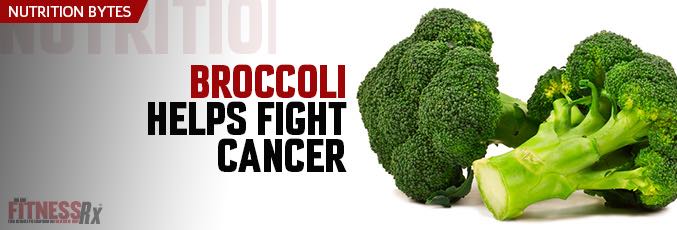
Broccoli and Cancer Prevention: Unveiling the Power of Cruciferous Vegetables
When it comes to maintaining good health, a balanced diet is key. And among the various food groups that contribute to our overall well-being, vegetables have always been hailed as nutritional powerhouses. Broccoli, in particular, has gained significant attention for its potential cancer-fighting properties. In this article, we will delve into the scientific evidence behind broccoli’s role in cancer prevention.
Broccoli belongs to a family of cruciferous vegetables that includes cauliflower, cabbage, kale, Brussels sprouts, and collard greens. These vegetables are known for their distinctive shape of cross-like flowers and are packed with nutrients such as vitamins C and K, fiber, folate (a B vitamin), potassium, and antioxidants.
Cruciferous vegetables contain bioactive compounds called glucosinolates which give them their pungent taste and smell when chopped or chewed. When these compounds are broken down during digestion or food preparation processes like cooking or chopping raw broccoli into smaller pieces (e.g., florets), they form biologically active substances called isothiocyanates (ITCs). It is these ITCs that scientists believe may play a crucial role in preventing cancer.
Research indicates that ITCs derived from cruciferous vegetables possess several anti-cancer properties. They have shown promising effects against various types of cancers including lung, colorectal, breast, prostate, stomach, liver and bladder cancers.
One major way in which ITCs exert their anticancer effects is by inhibiting the growth of cancer cells. Studies suggest that these compounds can disrupt the cell cycle progression – essentially putting a halt on abnormal cell division – thereby preventing tumor formation or slowing down its growth.
Moreover, ITCs have demonstrated potent antioxidant activity within cells. They help neutralize harmful free radicals generated during normal cellular metabolism or due to external factors such as exposure to pollutants or cigarette smoke. By doing so, ITCs protect cells from DNA damage that could lead to mutations and the development of cancer.
Another remarkable property of broccoli lies in its ability to stimulate the body’s natural defense mechanisms against carcinogens. The liver plays a crucial role in detoxifying harmful substances, and research suggests that compounds found in cruciferous vegetables enhance these detoxification processes. This helps eliminate potential carcinogens from the body more efficiently, reducing the risk of cellular damage and subsequent cancer development.
Studies have also shown that broccoli may possess anti-inflammatory properties. Chronic inflammation is associated with various diseases, including cancer. By reducing inflammation within the body, broccoli can potentially lower the overall risk of developing certain types of cancers.
While numerous studies have established a strong association between cruciferous vegetable intake and reduced cancer risk, it is important to note that these findings are based on observational data rather than direct cause-and-effect relationships. However, mechanistic studies conducted in laboratories provide biological plausibility for these observed effects.
To maximize the health benefits derived from consuming broccoli or other cruciferous vegetables, it is essential to consider preparation methods as well as cooking techniques. Some evidence suggests that cooking methods like boiling or microwaving may lead to a loss of certain beneficial compounds due to heat sensitivity. On the other hand, steaming or lightly stir-frying broccoli can help retain more nutrients while making it easier for our bodies to absorb them.
Including broccoli as part of a varied diet rich in fruits and vegetables is always recommended for optimal health benefits. Aim for at least one serving (about one cup) per day if possible; however, even smaller amounts still offer significant nutritional advantages.
It’s worth mentioning that individual dietary choices should be made considering personal preferences and any specific health conditions under consultation with healthcare professionals or registered dietitians.
In conclusion, while we cannot rely solely on any single food item for preventing cancer, the evidence supporting broccoli’s role in cancer prevention is compelling. Its rich nutrient profile, particularly the presence of glucosinolates and subsequent formation of ITCs during digestion, make it a valuable addition to any healthy eating plan. So, let us embrace the power of broccoli and reap its potential benefits in our journey towards optimal well-being.
Note: The information provided in this article is for informational purposes only and should not be considered as medical advice. Always consult with a qualified healthcare professional or registered dietitian before making any changes to your diet or lifestyle.

Leave a Reply