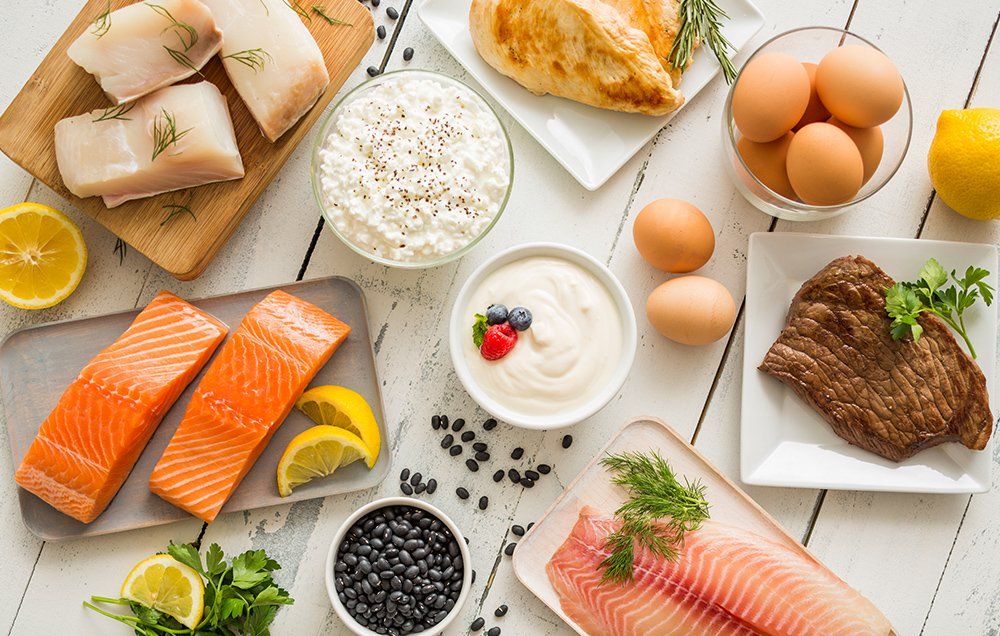
Choosing lean protein sources on a low-fat diet
Protein is an essential nutrient that plays a crucial role in our overall health and well-being. It helps build and repair tissues, supports the immune system, and provides energy. When following a low-fat diet, it’s important to choose lean protein sources that are not only rich in this vital nutrient but also low in fat content.
👉 Check it out: Shop Health Supplements on Amazon
In this article, we will explore some of the best lean protein sources you can incorporate into your low-fat diet.
👉 Check it out: Shop Fitness Tracker on Amazon
1. Skinless poultry: Chicken and turkey breast are excellent choices for lean protein. They contain high-quality proteins with minimal fat content, especially when the skin is removed. These meats are versatile and can be prepared in various ways such as grilled, baked or roasted.
2. Fish: Fatty fish like salmon, mackerel, and sardines are known for their heart-healthy omega-3 fatty acids but may not fit perfectly into a low-fat diet due to their higher fat content. However, there are several lean fish options available that still provide ample amounts of protein without excessive fat. Cod, tilapia, halibut, and sole are great examples of lean fish choices.
3. Beans and legumes: If you’re following a vegetarian or vegan lifestyle or simply looking to reduce your meat consumption while maintaining adequate protein intake on your low-fat diet plan, beans and legumes have got you covered! Lentils, chickpeas (garbanzo beans), black beans, kidney beans – these plant-based options offer both protein and fiber while being naturally low in fat.
4. Greek yogurt: Greek yogurt is an excellent source of high-quality protein with lower fat content compared to regular yogurt varieties (particularly if you opt for the plain versions). It contains twice as much protein as traditional yogurts per serving while offering beneficial probiotics that support gut health.
5. Egg whites: Eggs can be part of a low-fat diet, but it’s important to focus on the whites rather than the yolks. Egg whites are incredibly low in fat and cholesterol-free while being packed with protein. They can be enjoyed boiled, scrambled, or added to recipes for an additional protein boost.
6. Lean cuts of meat: If you prefer red meat as your protein source, opt for lean cuts like sirloin, tenderloin, or eye of round. These cuts have less marbling and lower fat content compared to fattier choices like ribeye or T-bone steaks. Remember to trim any visible fat before cooking to reduce overall fat intake.
7. Tofu and tempeh: For those following a vegetarian or vegan diet plan, tofu and tempeh are excellent sources of plant-based proteins that are also low in fat content. Both soy-based products can be used in various dishes such as stir-fries, salads, soups, or even grilled as a meat substitute.
8. Quinoa: Although not traditionally thought of as a “protein source,” quinoa is actually a complete protein containing all essential amino acids our bodies need. It is also naturally low in fat and high in fiber – making it an ideal choice for those seeking lean protein options on a low-fat diet.
9. Low-fat dairy products: While some dairy products may contain higher amounts of saturated fats (e.g., whole milk), there are several low-fat alternatives available that still provide ample amounts of protein without excessive fats. Opt for skim milk, reduced-fat cheese varieties (such as mozzarella or cottage cheese), or light yogurt options when incorporating dairy into your low-fat meal plan.
10. Edamame: Often served as an appetizer at Japanese restaurants or found in frozen form at grocery stores, edamame (young soybeans) is another great option for adding lean protein to your diet while keeping fats minimal. Edamame is not only a good source of protein but also provides fiber, vitamins, and minerals.
In conclusion, choosing lean protein sources on a low-fat diet doesn’t have to be challenging or boring. Incorporating skinless poultry, fish (especially lean varieties), beans and legumes, Greek yogurt, egg whites, lean cuts of meat, tofu and tempeh, quinoa, low-fat dairy products, and edamame into your meals will ensure you meet your daily protein needs while maintaining a healthy fat intake. Remember to consult with a healthcare professional or registered dietitian for personalized recommendations based on your specific dietary requirements and health goals.
🛒 Recommended Products
As an Amazon Associate, we earn from qualifying purchases.
Disclosure: This post contains Amazon affiliate links. As an Amazon Associate, we earn from qualifying purchases at no additional cost to you.

Leave a Reply