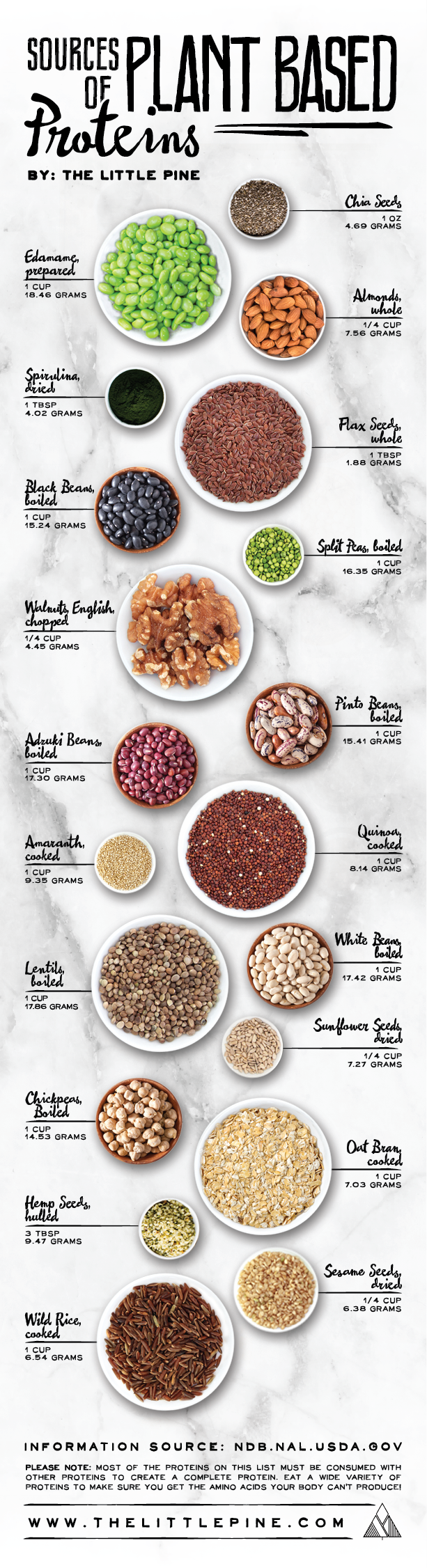
Plant-based diets are becoming increasingly popular for a variety of reasons, including health benefits and environmental concerns. While many people are aware of common sources of plant-based protein such as beans, lentils, and tofu, there are also lesser-known options that can provide essential amino acids and nutrients. In this article, we will explore some of these lesser-known sources of plant-based protein and discuss their benefits.
1. Lesser-Known Sources of Plant-Based Protein
a) Quinoa: Quinoa is a versatile grain-like seed that is considered a complete protein because it contains all nine essential amino acids. It is also high in fiber and rich in minerals like magnesium and iron.
b) Hemp Seeds: Hemp seeds are an excellent source of protein, containing all nine essential amino acids. They also provide omega-3 fatty acids and fiber. Hemp seeds have a slightly nutty flavor and can be added to smoothies, salads, or used as a topping for yogurt or oatmeal.
c) Spirulina: Spirulina is a blue-green algae that is packed with protein, vitamins, minerals, and antioxidants. It contains all the essential amino acids and has been shown to have anti-inflammatory properties.
d) Chia Seeds: Chia seeds may be small but they are packed with nutrients. They contain complete proteins along with fiber, omega-3 fatty acids, calcium, magnesium, and antioxidants. Chia seeds can be added to smoothies or used as an egg substitute in baking recipes.
e) Amaranth: Amaranth is another ancient grain-like seed that provides a good amount of protein along with important minerals like iron and calcium. It has a mild nutty flavor and can be cooked similar to rice or quinoa.
2. The Role of Amino Acids in Plant-Based Protein
Amino acids are the building blocks of proteins in our bodies. There are 20 different types of amino acids needed by the human body, and nine of them are considered essential because our bodies cannot produce them on their own. This is where plant-based protein sources become important.
While some plant-based protein sources may not contain all nine essential amino acids individually, combining different sources can help create a complete amino acid profile. For example, beans and rice together provide a complete set of amino acids.
It’s important to note that consuming a variety of plant-based proteins throughout the day can ensure adequate intake of all essential amino acids. By including a mix of grains, legumes, nuts, and seeds in your diet, you can easily meet your protein needs while also enjoying diverse flavors and textures.
3. Fermented Plant-Based Protein Options
Fermentation is a process that breaks down complex compounds into simpler forms through the action of bacteria or yeasts. This process enhances nutrient absorption and digestion while also providing additional health benefits.
Fermented plant-based proteins like tempeh and miso are excellent options for those following a plant-based diet. Tempeh is made from fermented soybeans and has a firm texture with a nutty flavor. It provides about 20 grams of protein per serving along with fiber, vitamins, and minerals.
Miso is another fermented soy product commonly used in Japanese cuisine as a base for soups or dressings. It adds depth of flavor to dishes while providing beneficial probiotics to support gut health.
4. Plant-Based Protein for Athletes and Bodybuilders
Contrary to popular belief, it is possible to build muscle mass on a plant-based diet. While animal products like meat or whey protein powders have traditionally been associated with muscle growth due to their high leucine content (an essential amino acid), there are several plant-based alternatives available as well.
Plant-based athletes can consume adequate amounts of protein by incorporating foods such as tofu, tempeh, edamame beans, lentils, quinoa, chia seeds, and hemp seeds into their diets. Additionally, there are a variety of plant-based protein powders available on the market that can be used in smoothies or added to recipes.
It’s important for athletes and bodybuilders to focus not only on protein intake but also on consuming a well-balanced diet with sufficient calories and nutrients to support their training needs. Consulting with a registered dietitian who specializes in sports nutrition can help create an individualized meal plan.
5. Plant-Based Protein for Children and Teenagers
Plant-based diets can provide adequate protein for children and teenagers when carefully planned. It is essential to ensure they receive all the necessary nutrients for growth and development during these crucial stages.
Good sources of plant-based protein for children include beans, lentils, tofu, tempeh, nut butter (such as peanut or almond butter), whole grains like quinoa or amaranth, fortified non-dairy milks (such as soy or almond milk), and vegetables like peas or broccoli.
Parents should also pay attention to other key nutrients such as iron, calcium, vitamin B12, omega-3 fatty acids (found in flaxseeds or chia seeds), zinc, and vitamin D. These nutrients may require supplementation depending on individual needs.
6. Plant-Based Protein for Pregnant Women
Pregnancy is a time when women have increased nutritional requirements due to the growth and development of the fetus. Consuming adequate amounts of protein is particularly important during this period.
Plant-based sources of protein suitable for pregnant women include legumes (beans, lentils), nuts and seeds (almonds, chia seeds), whole grains (quinoa), tofu/tempeh/seitan products made from soybeans/wheat/gluten respectively) fortified non-dairy milks (soy/almond milk).
Additionally, it’s crucial for pregnant women following a plant-based diet to ensure they are getting enough folate, iron, calcium, iodine, and vitamin B12. These nutrients can be found in foods like leafy greens, legumes, fortified plant-based milks and cereals or through prenatal supplements.
It’s always recommended for pregnant women to consult with a healthcare provider or registered dietitian who specializes in prenatal nutrition to ensure their dietary needs are met during this important time.
7. Plant-Based Protein for Seniors and Older Adults
As we age, our protein requirements may increase due to factors such as muscle loss (sarcopenia) and decreased absorption of nutrients. Plant-based sources of protein can play an essential role in meeting these increased needs.
Good sources of protein for seniors include legumes (beans, lentils), tofu/tempeh/seitan products made from soybeans/wheat/gluten respectively), nuts and seeds (almonds, chia seeds), whole grains (quinoa), fortified non-dairy milks (soy/almond milk).
In addition to protein intake, older adults should focus on consuming a well-balanced diet that includes adequate amounts of vitamins D and B12, calcium-rich foods like fortified plant-based milks or leafy greens for bone health. Regular physical activity is also crucial for maintaining muscle mass and overall health.
8. The Environmental Impact of Different Plant-Based Protein Sources
One of the main reasons people choose plant-based diets is to reduce their environmental impact. Animal agriculture is responsible for significant greenhouse gas emissions and deforestation. By opting for plant-based proteins instead of animal-derived proteins, individuals can contribute to reducing these environmental burdens.
Plant-based proteins have a smaller carbon footprint compared to animal-derived proteins as they require fewer resources such as land, water, and feed production. Additionally, choosing locally sourced or organic plant-based proteins further reduces the environmental impact by minimizing transportation distances or pesticide use.
9. Nutritional Comparison of Different Plant-Based Proteins
While all plant-based proteins offer health benefits, they vary in their nutrient profiles. Let’s compare a few common plant-based protein sources:
a) Legumes: Beans and lentils are high in both protein and fiber. They also contain important minerals like iron, magnesium, and potassium.
b) Grains: Quinoa and amaranth are considered complete proteins as they provide all essential amino acids. Additionally, whole grains like brown rice or oats offer moderate amounts of protein along with fiber.
c) Nuts and Seeds: Almonds, chia seeds, flaxseeds, hemp seeds, and pumpkin seeds are excellent sources of healthy fats, fiber, vitamins (like vitamin E), minerals (such as magnesium), and omega-3 fatty acids.
d) Soy Products: Tofu and tempeh are versatile options that provide a good amount of protein while being low in saturated fat. They also contain calcium and iron.
e) Seitan: Made from wheat gluten, seitan is high in protein but may not be suitable for those with gluten sensitivities or celiac disease.
10. The Benefits of Combining Multiple Plant-Based Proteins
By combining different plant-based proteins throughout the day or even within meals themselves (known as complementary proteins), it is possible to create a complete amino acid profile similar to that found in animal products.
For instance:
– Beans paired with rice
– Hummus made from chickpeas served on whole-grain bread
– Lentil soup enjoyed with quinoa
These combinations ensure you get all the essential amino acids your body needs for optimal health. By varying your food choices regularly, you can easily achieve this balance while enjoying diverse flavors and textures.
11. Plant-Based Protein for Weight Loss and Management
Plant-based proteins can play an important role in weight loss or weight management due to their lower calorie density compared to animal products. They tend to be rich in fiber which promotes satiety, making you feel fuller for longer.
Including plant-based proteins in your meals can help stabilize blood sugar levels and reduce cravings. Foods like legumes, tofu, tempeh, and quinoa are excellent choices that provide a good amount of protein while being low in saturated fat and cholesterol.
It’s important to note that weight loss or management is not solely dependent on protein intake but also requires an overall balanced diet that includes plenty of fruits, vegetables, whole grains, and healthy fats. Regular physical activity is also crucial.
12. Plant-Based Protein for Muscle Recovery and Repair
Protein plays a vital role in muscle recovery and repair after exercise. Consuming an adequate amount of protein following workouts can help promote muscle growth and prevent muscle breakdown.
Plant-based options such as tofu/tempeh/seitan products made from soybeans/wheat/gluten respectively), lentils, beans (black beans/pinto beans/chickpeas), hemp seeds or chia seeds offer a good balance of amino acids necessary for post-workout recovery.
Incorporating carbohydrates along with plant-based proteins is also beneficial as they aid in replenishing glycogen stores (energy) within the muscles. Smoothies with almond milk or nut butter added to them can be a great choice for post-exercise nutrition.
13. Incorporating Plant-Based Protein into a Gluten-Free Diet
Following a gluten-free diet may seem challenging when it comes to finding plant-based protein sources due to the prevalence of wheat-based products like seitan. However, there are still plenty of options available:
a) Legumes: Beans (black beans/pinto beans/kidney beans), lentils (green/brown/red lentils), chickpeas – these are naturally gluten-free sources high in both protein and fiber.
b) Quinoa: This ancient grain-like seed is gluten-free and provides all essential amino acids similar to animal products.
c) Nuts & Seeds: Almonds, chia seeds, flaxseeds, hemp seeds, and pumpkin seeds are all gluten-free sources of protein.
d) Tofu & Tempeh: These soy-based products are naturally gluten-free and provide a good amount of protein.
e) Buckwheat: Despite its name, buckwheat is not related to wheat and is gluten-free. It can be used as an alternative to grains like rice or quinoa.
It’s important for individuals with celiac disease or non-celiac gluten sensitivity to ensure that the plant-based proteins they choose are certified gluten-free to avoid cross-contamination risks during processing.
14. Plant-Based Protein Options for People with Food Allergies or Intolerances
Food allergies or intolerances can make it challenging to find suitable sources of protein. However, there are still many options available:
a) Legumes: Beans (black beans/pinto beans/kidney beans), lentils (green/brown/red lentils), chickpeas – these are typically safe choices for most people with food allergies or intolerances.
b) Nuts & Seeds: Almonds, sunflower seeds (if not allergic), pumpkin seeds – these can be excellent sources of protein if tolerated. Individuals with nut allergies should exercise caution and consult a healthcare professional before including them in their diet.
c) Quinoa: This grain-like seed is generally well-tolerated by most people and provides a good amount of protein along with essential nutrients.
d) Alternative Grains: For those who cannot tolerate common grains like wheat or barley due to allergens such as gluten, options like rice, oats (labeled as certified gluten-free), buckwheat or millet may be suitable alternatives depending on individual tolerances.
It’s crucial for individuals with food allergies or intolerances to work closely with a healthcare professional or registered dietitian who specializes in food sensitivities to ensure they meet their nutritional needs while avoiding triggers.
15. The Impact of Cooking Methods on the Nutritional Value of Plant-Based Proteins
The cooking methods used can affect the nutritional value of plant-based proteins. Some tips to preserve nutrients include:
a) Steaming: Steaming is a gentle cooking method that helps retain vitamins and minerals in food. It is particularly useful for vegetables like broccoli or spinach, which are rich sources of plant-based protein.
b) Sautéing/Stir-frying: Quick cooking techniques with minimal oil can help preserve nutrient content. Use small amounts of healthy oils (like olive oil) and cook over high heat to retain nutrients while adding flavor.
c) Boiling: While boiling may cause some loss of water-soluble nutrients, it can still be a suitable method for cooking legumes like beans or lentils if you save and consume the cooking liquid (aquafaba). This liquid contains soluble fiber and residual nutrients from the legumes.
d) Baking/Roasting: When roasting or baking plant-based proteins like tofu, tempeh, or chickpeas, use moderate temperatures to prevent excessive nutrient loss. Avoid charring or burning as this can create potentially harmful compounds.
e) Raw/Minimal Processing: Enjoying certain plant-based proteins raw or minimally processed can provide maximum nutrition. For example, adding raw nuts/seeds to salads or enjoying fresh fruits/vegetables in smoothies ensures they retain their full nutrient potential.
16. Exploring the Anti-Inflammatory Properties of Certain Plant-Based Proteins
Inflammation is associated with various chronic diseases such as heart disease, diabetes, and certain types of cancer. Choosing anti-inflammatory foods as part of a balanced diet may help reduce inflammation within the body.
Many plant-based proteins offer anti-inflammatory properties due to their high levels of antioxidants and other bioactive compounds. Foods like berries (strawberries/blueberries), leafy greens (spinach/kale), nuts (almonds/walnuts), and fatty fish alternatives like chia seeds or flaxseeds are rich in anti-inflammatory compounds.
Additionally, spices such as turmeric, ginger, and cinnamon can further enhance the anti-inflammatory benefits of plant-based proteins when included in recipes.
17. The Potential Allergenicity of Specific Plant-Based Proteins
While plant-based proteins generally have a lower risk of allergenicity compared to animal proteins like dairy or eggs, it’s still important to be aware of potential allergens associated with certain plants:
a) Soy: Soybeans are a common allergen for some individuals. Symptoms may include hives, digestive issues, or even anaphylaxis. It’s recommended to avoid soy products if diagnosed with a soy allergy.
b) Nuts/Seeds: Allergic reactions to nuts (such as almonds or walnuts) or seeds (like sunflower or pumpkin seeds) can range from mild itching to severe anaphylaxis. Those with nut allergies should exercise caution and consult an allergist before incorporating these foods into their diet.
c) Gluten-Containing Grains: Wheat is a common allergen due to the presence of gluten. Individuals diagnosed with celiac disease must strictly avoid wheat-containing grains like seitan but can opt for gluten-free sources such as rice, quinoa, amaranth instead.
If you suspect you have food allergies or intolerances, it’s essential to consult with a healthcare professional who specializes in allergies for accurate diagnosis and guidance on appropriate dietary choices.
18. Plant-Based Protein Supplements: Pros and Cons
Plant-based protein supplements can be convenient options for those looking to boost their protein intake while following a plant-based diet. Here are some pros and cons:
Pros:
– Convenience: Protein powders provide an easy way to supplement protein intake on-the-go.
– Variety: There are various types available including pea protein isolate, rice protein, hemp protein, or blends combining multiple sources.
– Nutrient Profile: Many plant-based protein powders are fortified with vitamins and minerals to enhance their nutritional value.
Cons:
– Processing: Some individuals prefer whole foods over processed supplements due to concerns about additives or artificial ingredients.
– Cost: Plant-based protein powders can be more expensive compared to whole food sources of protein.
– Digestive Issues: Some people may experience digestive discomfort (such as gas or bloating) when consuming certain plant-based protein powders. Experimenting with different brands/types might help find one that suits your body’s needs.
It’s important to remember that supplements should not replace a well-balanced diet but can serve as an addition if needed. Individual requirements vary, so consulting with a healthcare professional or registered dietitian is recommended before incorporating any new supplement into your routine.
19. Understanding the Bioavailability of Different Plant-Based Proteins
Bioavailability refers to the extent to which our bodies can absorb and utilize nutrients from food. While animal proteins are generally considered highly bioavailable, some plant-based proteins may have lower bioavailability due to factors such as anti-nutrients or incomplete amino acid profiles.
However, by consuming a varied diet that includes different types of plant-based proteins throughout the day, it is possible to ensure adequate nutrient absorption and utilization. Combining complementary proteins like beans and rice can create a complete amino acid profile for better overall bioavailability.
Additionally, certain cooking techniques like soaking legumes overnight or fermenting soybeans (as in tempeh) can improve the bioavailability of essential nutrients by reducing anti-nutrients present

Leave a Reply