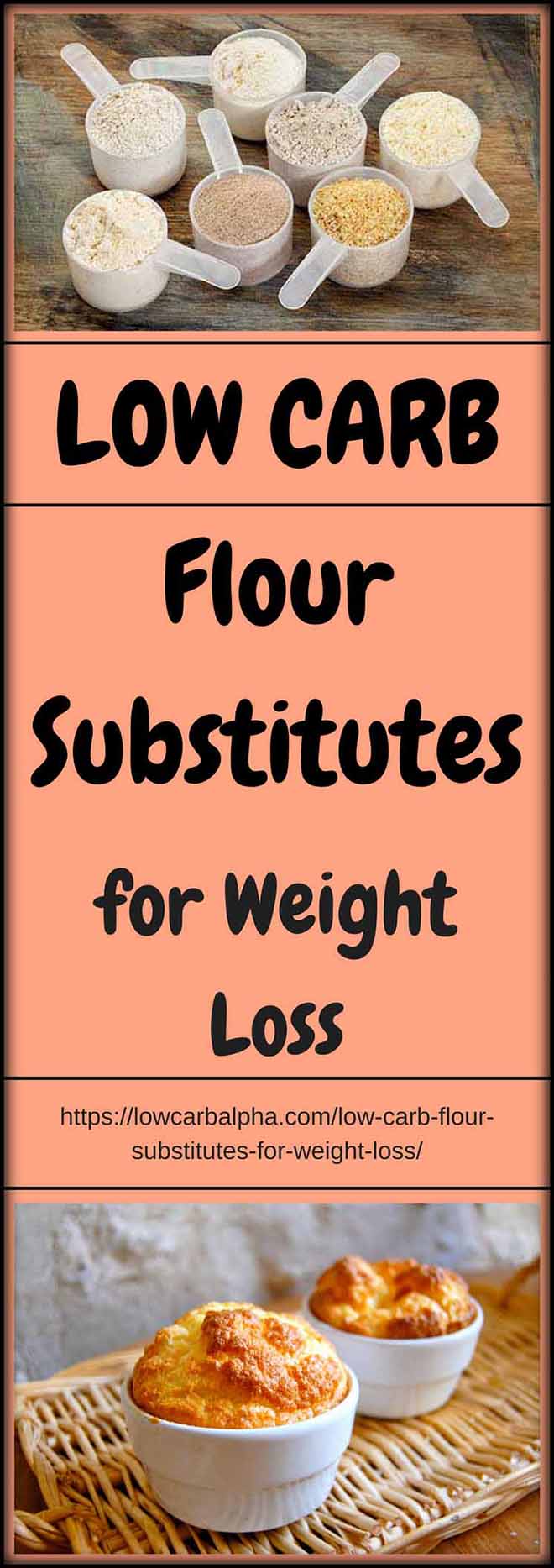
Low-carb diets have gained immense popularity in recent years due to their potential health benefits, including weight loss and improved blood sugar control. However, one of the biggest challenges for people following a low-carb lifestyle is finding suitable substitutes for high-carb ingredients in baking. Fortunately, there are several options available that can help you continue enjoying delicious baked goods while sticking to your low-carb goals. In this article, we will explore some of the best low-carb baking substitutes and provide detailed guidelines on how to use them effectively.
1. Almond Flour: Almond flour is made from finely ground almonds and is an excellent substitute for wheat flour in low-carb baking recipes. It imparts a slightly nutty flavor and a moist texture to baked goods. You can generally replace regular flour with almond flour at a 1:1 ratio; however, it may require additional eggs or binding agents such as xanthan gum to maintain proper structure.
2. Coconut Flour: Another popular option is coconut flour which is derived from dried coconut meat after extracting the milk. Coconut flour contains more fiber than almond flour but absorbs liquid quickly, so it’s important to adjust the amount accordingly when using it as a substitute (about 1/4 cup coconut flour per 1 cup regular flour). It also provides a hint of natural sweetness and adds moisture to baked treats.
3. Flaxseed Meal: Flaxseed meal is ground flaxseeds rich in omega-3 fatty acids and fiber content ideal for low-carb baking recipes requiring structure without gluten formation like bread or muffins. For every cup of all-purpose flour required in your recipe, use about ¼ to ⅓ cup flaxseed meal instead.
4. Psyllium Husk Powder: Psyllium husk powder works similarly to xanthan gum or guar gum by adding viscosity and binding properties essential for gluten-free low-carb baking recipes. It’s particularly useful for bread and pizza dough recipes, where a chewy texture is desired. Start with 1 tablespoon of psyllium husk powder per cup of flour in your recipe.
5. Ground Chia Seeds: Ground chia seeds are packed with fiber and healthy fats while adding structure to baked goods. Its binding properties make it an excellent egg substitute as well. To replace one egg in a recipe, mix 1 tablespoon of ground chia seeds with 3 tablespoons of water until gel-like consistency forms.
6. Greek Yogurt: Greek yogurt not only adds moisture but also boosts the protein content in low-carb baked goods like pancakes, muffins, or cakes. Swap out oil or butter for an equal amount of Greek yogurt to reduce overall fat content without compromising flavor or texture.
7. Unsweetened Applesauce: Unsweetened applesauce can be used as a low-carb alternative to sugar or oil in many baking recipes, such as cookies or cakes. It provides moisture and natural sweetness while reducing the need for added sugars and unhealthy fats.
8. Stevia: Stevia is a natural sugar substitute derived from the stevia plant that contains zero calories and does not raise blood sugar levels. Use it sparingly when replacing granulated sugar, as it is much sweeter than regular sugar (about 200-300 times sweeter). Experiment with different brands and forms (powdered vs liquid) to find the right balance for your taste buds.
9.Erythritol: Erythritol is another popular low-calorie sweetener that resembles table sugar but has almost zero impact on blood sugar levels due to its minimal absorption by the body. Unlike some other artificial sweeteners, erythritol does not cause digestive issues for most people when consumed in moderation.
10.Vanilla Extract: Vanilla extract adds depth of flavor to baked goods without contributing carbs or calories. Ensure you use a high-quality extract to get the best taste, and remember that a little goes a long way.
11. Nut Butters: Nut butters like almond butter or peanut butter can be used as healthy fat sources in low-carb baking recipes while adding moisture and richness to your treats. Opt for natural varieties without added sugars or oils.
12. Zucchini or Cauliflower: These versatile vegetables can be grated and added to bread, muffin, or cake batters, providing moisture and fiber without significantly impacting the taste. They are especially useful when making low-carb versions of traditionally carb-heavy baked goods.
In conclusion, following a low-carb diet doesn’t mean giving up on delicious baked treats entirely. By using these low-carb baking substitutes wisely, you can still enjoy your favorite foods while keeping your carbohydrate intake in check. Experiment with different combinations and proportions until you find the perfect balance of taste, texture, and nutritional value that suits your dietary needs and preferences. Remember to always readjust cooking times according to the specific substitute used as they may affect overall baking time slightly. Happy low-carb baking!

Leave a Reply