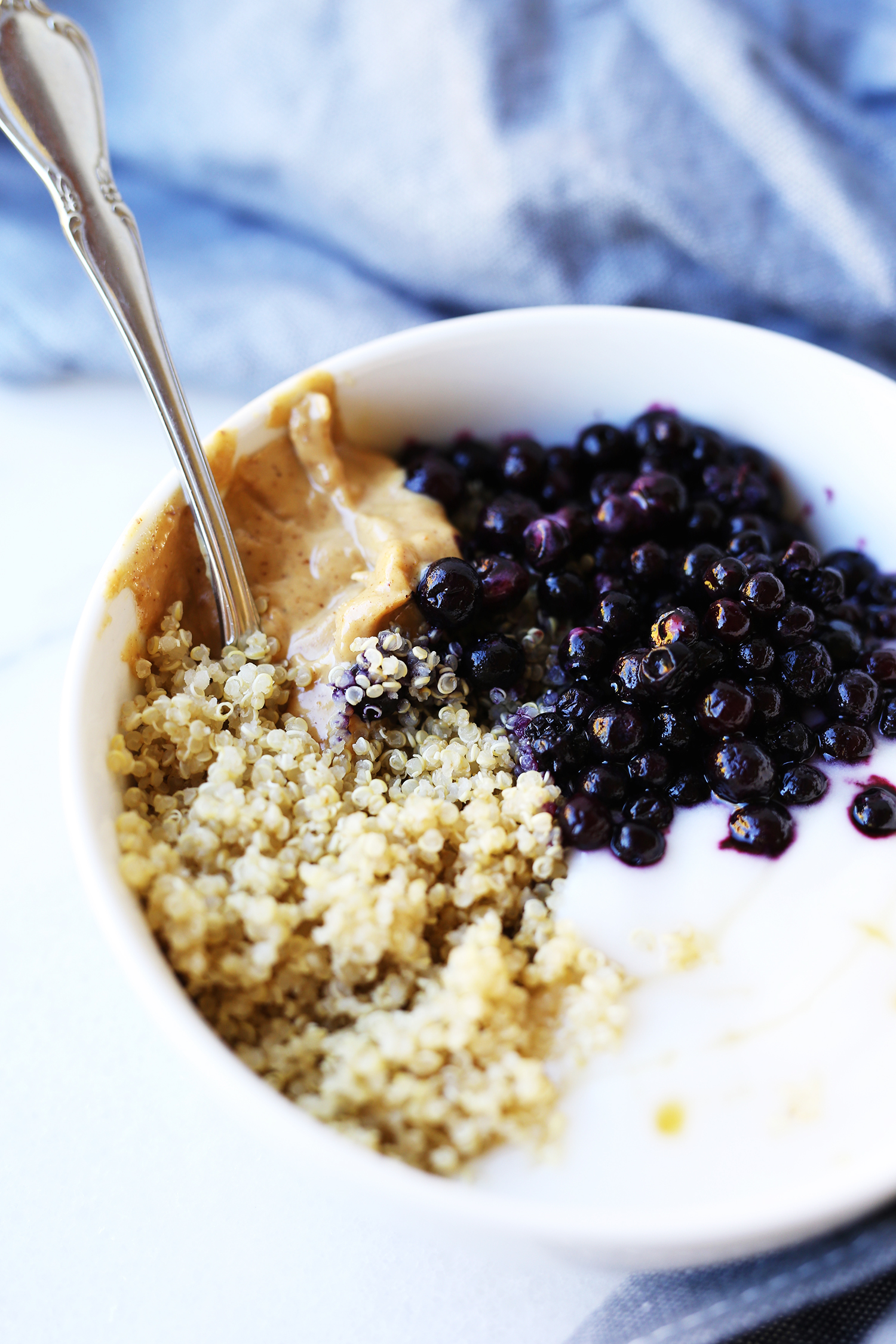
Quinoa: The Protein Powerhouse of the Plant World
In recent years, quinoa has emerged as a superstar in the world of healthy eating. This ancient grain, native to the Andean region of South America, has gained immense popularity due to its exceptional nutritional profile and versatility in cooking. While it is often categorized as a grain, quinoa is actually a seed that belongs to the same family as spinach and beets. What sets quinoa apart from other grains is its remarkable protein content, making it an excellent choice for those seeking plant-based sources of protein.
Historically known as “the mother grain” by the Incas, quinoa was cultivated over 5,000 years ago in the high-altitude regions of Peru and Bolivia. It played a vital role in their diet and was even considered sacred due to its exceptional nutritional properties. Quinoa’s reputation as a superfood began spreading across continents only recently when health-conscious individuals discovered its numerous benefits.
One of the most compelling reasons why quinoa has become so popular is its impressive protein content. Unlike most plant foods that are incomplete proteins (lacking one or more essential amino acids), quinoa stands out by providing all nine essential amino acids our bodies need but cannot produce on their own. These amino acids are crucial for building and repairing tissues, supporting immune function, producing enzymes and hormones, among other vital functions.
To put things into perspective, let’s compare these amino acid profiles with those found in animal products like meat or eggs. Quinoa contains approximately 8 grams of complete protein per cooked cup (185 grams), which makes it comparable to animal sources such as chicken breast or steak while being significantly lower in calories and saturated fat.
For vegetarians or vegans looking for alternative protein sources to fulfill their dietary needs adequately, including quinoa regularly can help ensure they receive all essential amino acids without relying solely on animal products. Even for non-vegetarians, incorporating quinoa into their diets can bring a host of health benefits while reducing the consumption of animal-based proteins, which have been linked to increased risks of certain diseases such as heart disease and cancer.
Besides its impressive protein content, quinoa is also packed with other essential nutrients. It is an excellent source of dietary fiber, providing around 5 grams per cooked cup. Fiber plays a vital role in maintaining digestive health, regulating blood sugar levels, and promoting satiety. Additionally, quinoa contains various vitamins and minerals like magnesium, manganese, phosphorus, folate, and zinc – all important for overall well-being.
Another remarkable aspect of quinoa is its versatility in cooking. Its mild nutty flavor pairs well with a wide range of ingredients and cuisines. Quinoa can be used as a base for salads or grain bowls when mixed with fresh vegetables and herbs. It can also be enjoyed as a warm side dish by simply cooking it in vegetable or chicken broth to add depth to its taste profile.
For those seeking more creative options with quinoa, it can be incorporated into burgers or patties instead of meat for a healthier twist on traditional recipes. Quinoa flour has gained popularity as an alternative to wheat flour due to its gluten-free properties and high nutritional value. This opens up possibilities for baking delicious bread or desserts that cater to individuals with gluten sensitivities or allergies.
Quinoa’s adaptability extends beyond savory dishes; it can even be transformed into sweet treats like porridge or puddings when cooked with milk alternatives such as almond milk or coconut milk infused with cinnamon or vanilla extract.
The ease of preparation further adds to the appeal of quinoa. In just 15 minutes on the stovetop, this tiny seed expands and becomes light and fluffy—perfectly ready to incorporate into any meal you desire!
In recent years, nutritionists have emphasized the importance of including plant-based proteins in our diets due to their positive impact on health and the environment. The production of animal-based protein typically requires more resources, such as water and land, contributing to greenhouse gas emissions and deforestation. Opting for sustainable alternatives like quinoa can help reduce our ecological footprint while nourishing our bodies.
It is worth noting that although quinoa offers numerous benefits, it should not be considered a complete replacement for other protein sources in a well-balanced diet. Variety is key when it comes to meeting all nutritional needs. Incorporating a mix of plant proteins, such as legumes (beans, lentils), nuts, seeds, and whole grains alongside lean animal proteins if desired can ensure adequate intake of essential amino acids and other vital nutrients.
In conclusion, quinoa has rightfully earned its reputation as a nutritional powerhouse with its exceptional protein content and versatile uses in cooking. Whether you are vegetarian or non-vegetarian seeking healthier meal options or simply looking to expand your culinary horizons, including quinoa in your diet can undoubtedly contribute to your overall well-being. So why not give this ancient grain turned modern-day superfood a try? Your taste buds and body will thank you!

Leave a Reply