Seasonal Salads: A Guide to Fresh and Healthy Eating
Introduction:
Eating a variety of fresh ingredients is essential for maintaining a healthy lifestyle. Seasonal salads offer an excellent way to incorporate nutritious fruits, vegetables, and grains into your diet. In this article, we will explore the benefits of seasonal eating and provide some delicious salad recipes featuring ingredients that are readily available during different times of the year.
Why choose seasonal salads?
Opting for seasonal produce not only ensures maximum freshness but also supports local farmers and reduces the carbon footprint associated with long-distance transportation. Seasonal fruits and vegetables are often more affordable as well. By embracing what nature has to offer each season, you can enjoy the unique flavors and reap the nutritional benefits of these fresh ingredients.
Spring Salads:
As winter fades away, spring brings an array of vibrant greens like arugula, spinach, and lettuce. Combine them with crisp radishes, tender peas or asparagus spears for a refreshing salad bursting with flavor. Toss in some strawberries or sliced citrus fruits for a touch of sweetness. Top it off with toasted almonds or crumbled feta cheese for added texture.
Summer Salads:
During summer, take advantage of juicy tomatoes, cucumbers, bell peppers, and sweet corn to create colorful salads that celebrate the bounty of the season. Add some creamy avocado slices or grilled peaches for richness while herbs like basil or cilantro lend their aromatic qualities to your dish. A simple dressing made from lemon juice or balsamic vinegar enhances all these flavors beautifully.
Autumn Salads:
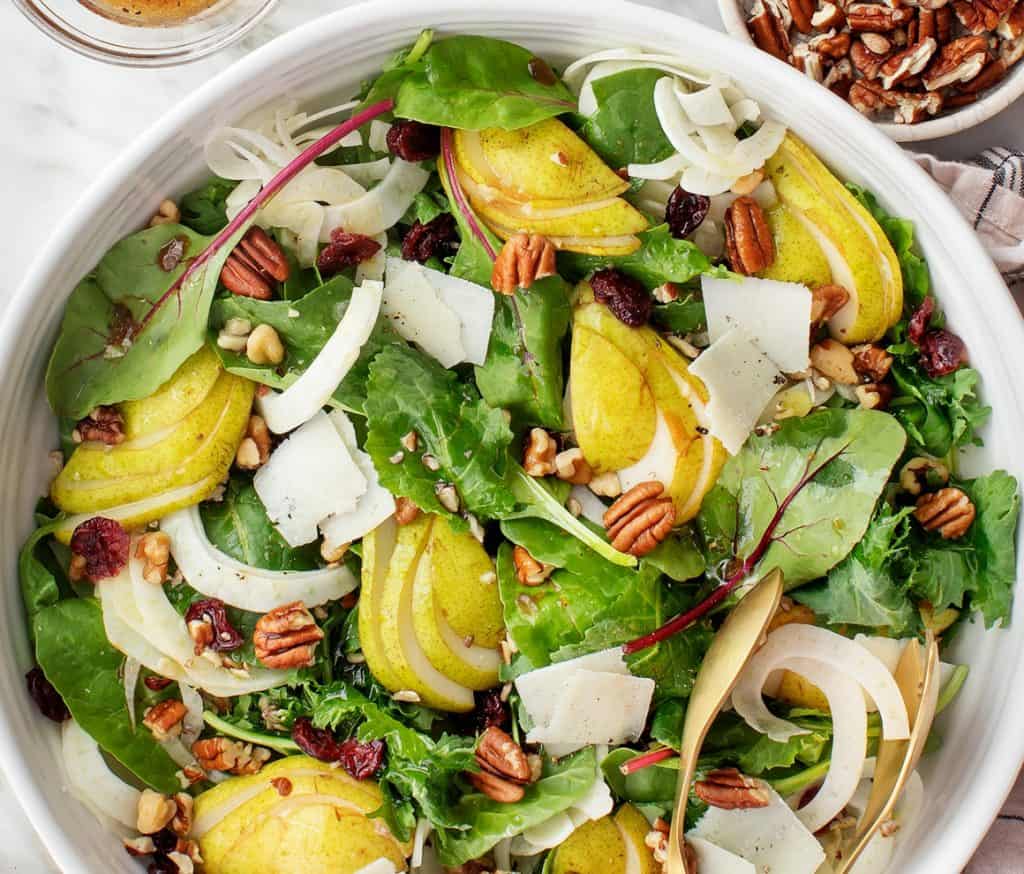
As temperatures cool down in autumn months, heartier ingredients become more prominent in our meals. Incorporate roasted root vegetables like beets or squash into your salad along with crunchy apples or pears for a delightful combination of textures. Sprinkle some nuts such as pecans or walnuts over mixed greens to add crunchiness while drizzling maple vinaigrette or honey mustard dressing to bring out the fall flavors.
Winter Salads:
Winter salads can be both comforting and nourishing. Choose sturdy greens like kale or cabbage as a base, then add roasted Brussels sprouts, pomegranate seeds, and toasted hazelnuts for an earthy taste. Incorporate some citrus segments for a burst of freshness that complements the rich winter flavors. A warm vinaigrette made with apple cider vinegar and Dijon mustard adds a cozy touch to this seasonal salad.
Conclusion:
Seasonal salads provide endless possibilities to enjoy fresh ingredients throughout the year. By adapting your recipes according to what’s available each season, you can create delicious and nutritious meals that support local agriculture and promote sustainable eating habits. Experiment with different combinations of fruits, vegetables, grains, nuts, and dressings to discover your favorite seasonal salad creations. Embrace the flavors of nature while nourishing yourself with wholesome ingredients – your body will thank you!

Leave a Reply