1. Fermented plant-based foods:
Fermented plant-based foods are a delicious and nutritious addition to any plant-based diet. Fermentation is a natural process that involves the breakdown of carbohydrates by beneficial bacteria or yeast, resulting in the production of probiotics, enzymes, and other health-promoting compounds.
Some popular fermented plant-based foods include sauerkraut, kimchi, tempeh, miso, and kombucha. These foods not only enhance the flavor profile of your meals but also offer numerous health benefits. They can improve digestion, boost immune function, increase nutrient absorption, and support a healthy gut microbiome.
2. Plant-based protein alternatives:
Plant-based protein alternatives are becoming increasingly popular as people adopt vegetarian or vegan lifestyles or simply seek to reduce their meat consumption. There are plenty of options available that provide all the essential amino acids necessary for a balanced diet.
Some excellent sources of plant-based protein include legumes like lentils, chickpeas, and black beans; whole grains such as quinoa and brown rice; nuts and seeds like almonds and chia seeds; tofu and tempeh made from soybeans; and seitan derived from wheat gluten.
3. Lesser-known leafy greens:
While spinach and kale often steal the spotlight when it comes to leafy greens, there are many lesser-known varieties that offer unique flavors and nutritional profiles. For example:
– Swiss chard: This vibrant green vegetable is packed with vitamins A, C, K along with minerals like magnesium.
– Collard greens: They have thick leaves with a slightly bitter taste but provide high amounts of vitamins A,C,E,K as well as calcium.
– Mustard greens: With their peppery flavor profile similar to horseradish or wasabi mustard greens add zest to salads while offering vitamins A,C,K,E,B6 along with folate.
– Bok choy: This Chinese cabbage variety is rich in vitamins A, C, and K, as well as calcium and potassium.
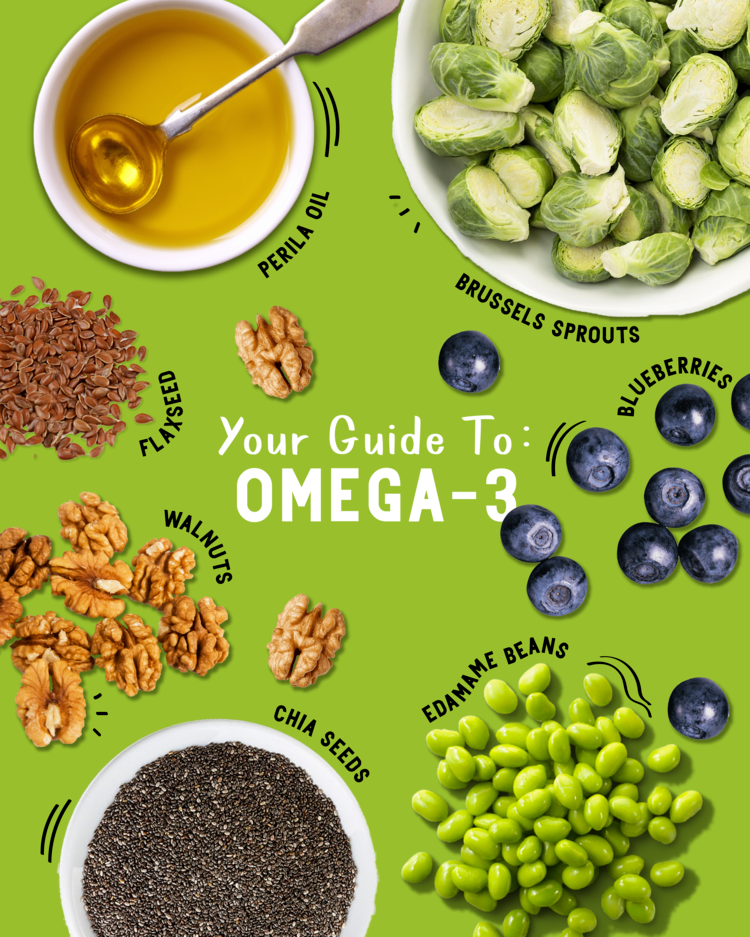
4. Plant-based sources of omega-3 fatty acids:
Omega-3 fatty acids are essential for brain health and heart function. While fish is a common source of these healthy fats, plant-based alternatives are available too:
– Chia seeds: These tiny powerhouses are packed with omega-3s, fiber, and antioxidants.
– Flaxseeds: Ground flaxseeds or flaxseed oil provide a good amount of alpha-linolenic acid (ALA), the plant-based form of omega-3s.
– Hemp seeds: Besides being rich in protein and minerals like magnesium and zinc, hemp seeds also contain omega-3 fatty acids.
– Walnuts: Adding walnuts to your diet can offer a dose of ALA along with other nutrients like vitamin E.
5. Sprouting and germination techniques for plant-based foods:
Sprouting and germinating grains, legumes, nuts, and seeds can enhance their nutritional value by increasing nutrient availability while reducing anti-nutrients such as phytic acid. Here’s how you can sprout at home:
1. Soak the desired food item in water overnight or according to specific instructions.
2. Drain the soaking water thoroughly.
3. Rinse the food item 2-3 times daily with fresh water until small sprouts start to appear.
4. Once sprouted to your liking (usually within 1 – 5 days), store them in an airtight container in the refrigerator.
6. Unconventional uses of nutritional yeast in plant-based cooking:
Nutritional yeast is a popular ingredient among vegans due to its cheesy flavor profile and nutritional benefits. Besides using it as a topping on popcorn or pasta dishes, there are several unconventional uses for this versatile ingredient:
7. Lesser-known root vegetables in plant-based recipes:
Root vegetables go beyond carrots and potatoes; there are many lesser-known options to explore:
– Parsnips: With a sweet and nutty flavor, parsnips can be roasted, mashed, or used in soups for a unique taste.
– Rutabaga: Often mistaken for turnips, rutabagas have a slightly sweet and peppery flavor. They can be roasted, mashed, or even added to stews.
– Jicama: This crunchy root vegetable has a refreshing taste and adds crunch to salads or slaws.
– Jerusalem artichokes (sunchokes): These knobby tubers are nutty and slightly sweet when cooked. They make a great addition to stir-fries or roasted vegetable medleys.
8. Plant-based sources of iron and zinc:
Iron and zinc are important minerals for overall health and wellbeing. Here are some plant-based sources to incorporate into your diet:
For iron:
– Legumes such as lentils, chickpeas, kidney beans
– Leafy greens like spinach, Swiss chard
– Seeds such as pumpkin seeds, sesame seeds
– Whole grains like quinoa
For zinc:
– Legumes including chickpeas and lentils
– Nuts like cashews and almonds
– Seeds such as hemp seeds and flaxseeds
9. Incorporating seaweed into a plant-based diet:
Seaweed is an excellent addition to any plant-based diet due to its rich mineral content (including iodine) along with vitamins A,C,E,K,B6.
10. Lesser-known grains and pseudocereals for a healthy plant-based lifestyle:
While staples like rice and oats dominate the grain scene, there are several lesser-known options worth exploring:
11. Plant-based sources of calcium and vitamin D:
Calcium is essential for strong bones while vitamin D aids in its absorption. While dairy products have long been hailed as the primary source of these nutrients.
12. The benefits of incorporating edible flowers into plant-based dishes:
Edible flowers not only add a beautiful touch to your dishes but also offer numerous health benefits. Some common edible flowers include nasturtiums, pansies, violets, and calendula.
13. Lesser-known legumes for plant-based protein options:
Besides lentils and chickpeas, there are many other legumes that can provide a protein boost in plant-based meals:
14. Plant-based alternatives to dairy products:
For those looking to cut back on or eliminate dairy from their diet, there are plenty of delicious plant-based alternatives available:
– Nut milk: Almond milk, cashew milk
– Soy milk: Made from soybeans and often fortified with calcium and vitamins.
– Oat milk: A creamy option made from oats that is becoming increasingly popular.
– Coconut milk: Provides a rich and tropical flavor to recipes.
– Plant-based cheeses: Made from nuts like cashews or soy products like tofu.
These alternatives offer similar textures and flavors to traditional dairy products without the negative health effects associated with animal-derived foods.

Leave a Reply