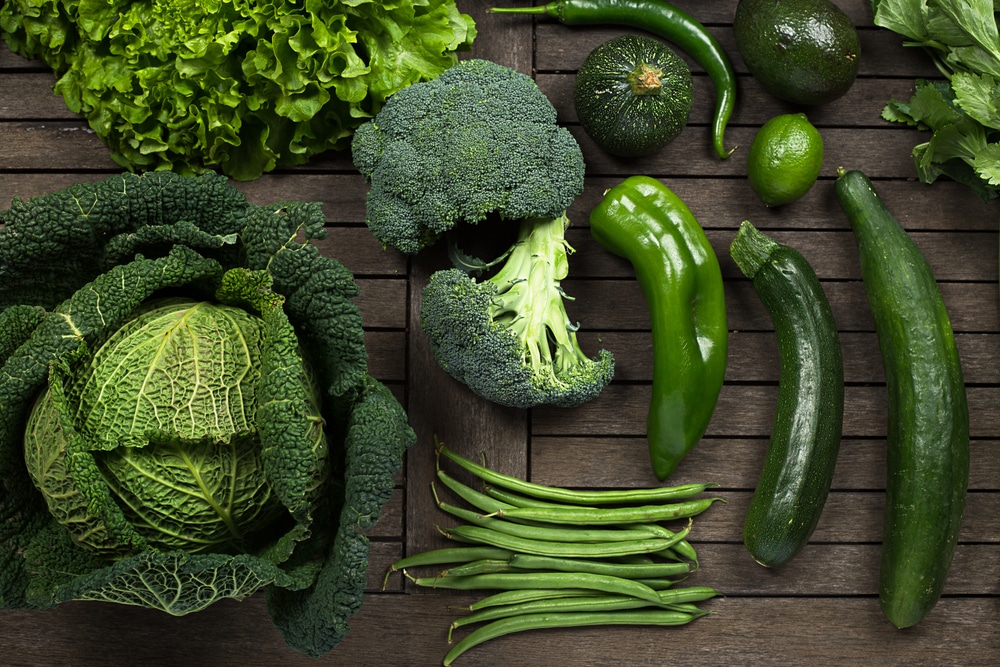
The Importance of Including Leafy Greens in a Plant-Based Diet
Leafy greens are an essential component of a healthy plant-based diet. They are packed with vitamins, minerals, and fiber that contribute to overall optimal health. Incorporating leafy greens into your daily meals can provide numerous benefits for both your body and the environment.
One of the main advantages of consuming leafy greens is their high nutrient density. They are rich in vitamins A, C, K, and folate. These vitamins play crucial roles in maintaining healthy skin, boosting the immune system, supporting bone health, and preventing chronic diseases such as heart disease and cancer.
In addition to their vitamin content, leafy greens are abundant sources of minerals like calcium and iron. Calcium is essential for strong bones and teeth while iron aids in oxygen transport throughout the body. Contrary to popular belief, it is entirely possible to obtain sufficient calcium from plant-based sources without relying on dairy products.
Moreover, leafy greens are excellent sources of dietary fiber. Fiber promotes digestion by adding bulk to stool and preventing constipation. It also helps regulate blood sugar levels by slowing down the absorption of glucose into the bloodstream after meals.
When it comes to environmental sustainability, incorporating more leafy greens into one’s diet can have a positive impact. Compared to animal agriculture which requires vast amounts of land use and water consumption while contributing greenhouse gas emissions, growing vegetables like spinach or kale requires significantly fewer resources.
To incorporate more leafy greens into your plant-based diet:
1) Start with familiar options: Spinach and kale are popular choices that can easily be added to smoothies or salads.
2) Experiment with different varieties: Try arugula for its peppery taste or collard greens for their sturdy texture.
3) Get creative with cooking methods: Sautéing or stir-frying leafy greens can help enhance flavors while retaining nutrients.
4) Mix them in soups or stews: Adding chopped kale or Swiss chard to your favorite soup recipes can provide an additional nutritional boost.
5) Make green wraps or lettuce cups: Use large leafy greens like romaine lettuce leaves as a substitute for tortillas or bread.
In conclusion, including leafy greens in a plant-based diet is essential for achieving optimal health and reducing environmental impact. Their nutrient density, fiber content, and versatility make them a valuable addition to any meal. By incorporating different varieties of leafy greens into your daily meals, you can ensure that you are receiving the necessary vitamins, minerals, and dietary fiber for overall well-being.

Leave a Reply