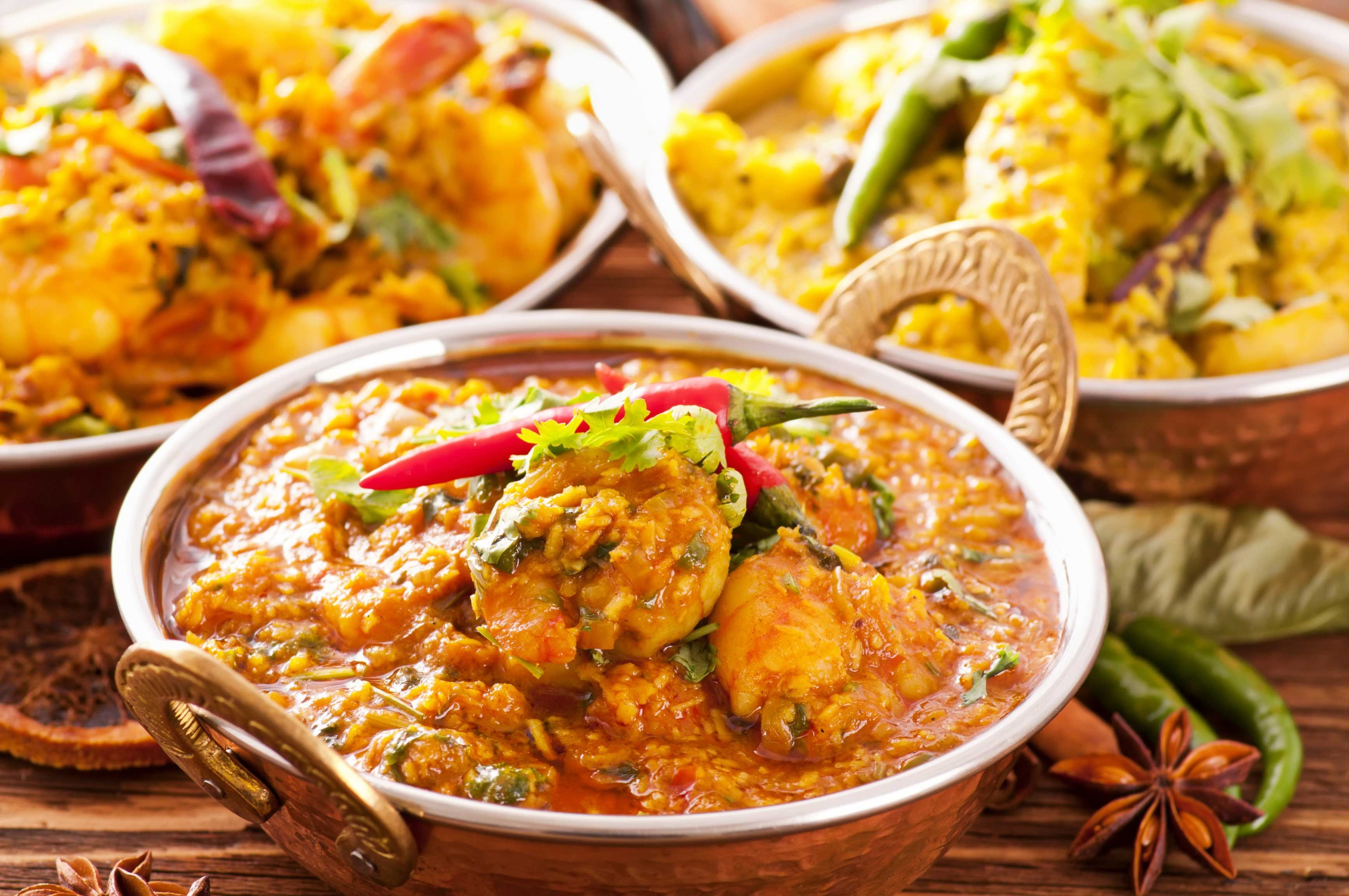
India is a country known for its rich cultural heritage, diverse traditions, and vibrant cuisine. Indian food encompasses an array of flavors, spices, and ingredients that not only tantalize your taste buds but also offer numerous health benefits. Traditional Indian cuisine primarily focuses on incorporating fresh vegetables, whole grains, legumes, and herbs into everyday meals. This emphasis on natural ingredients makes it a great choice for those looking to adopt a healthy eating lifestyle.
One of the key components of Indian cuisine is the use of aromatic spices. These spices not only add depth and flavor to dishes but are also packed with various health-promoting properties. Turmeric, for example, contains curcumin—a powerful compound known for its anti-inflammatory effects. It has been used in traditional Ayurvedic medicine for centuries to treat various ailments such as arthritis and digestive disorders.
Ginger is another commonly used spice in Indian cooking that offers several health benefits. It aids digestion, reduces inflammation in the body, and may alleviate symptoms associated with nausea or morning sickness. Additionally, ginger has antioxidant properties that can boost the immune system.
Cinnamon is yet another spice frequently used in Indian desserts and savory dishes alike. This aromatic spice helps regulate blood sugar levels by improving insulin sensitivity in the body. Including cinnamon in your daily diet can be beneficial for individuals with diabetes or those at risk of developing the condition.
Indian cuisine also places great importance on incorporating an assortment of fruits and vegetables into meals. The variety available throughout India’s different regions ensures a wide range of options to choose from when it comes to adding wholesome produce to your plate.
Leafy greens like spinach are widely consumed across India due to their nutritional value—being rich in vitamins A, C, K as well as iron and calcium which promote bone health. Spinach can be cooked alone or combined with other vegetables such as potatoes or paneer (a type of cheese) to create delicious dishes like palak paneer.
Another popular vegetable in Indian cuisine is okra, commonly known as lady’s finger. Okra is a good source of dietary fiber, vitamins C and K, folate, and antioxidants. It can be stir-fried with spices or added to curries for a nutritious boost.
Indian cuisine also incorporates legumes such as lentils and chickpeas extensively. These legumes are not only rich in protein but are also high in fiber, which aids digestion and helps maintain a healthy gut. Lentils come in various forms—red lentils (masoor dal), yellow lentils (moong dal), black lentils (urad dal)—and can be cooked into soups, stews, or served with rice.
Chickpeas feature prominently in dishes like chana masala—a flavorful curry made with tomatoes, onions, and aromatic spices. They are an excellent plant-based protein source that can help meet your daily nutritional requirements while being low in fat.
The use of whole grains is prevalent throughout India as well. Whole wheat flour is used to make traditional rotis (flatbreads) consumed alongside meals instead of processed white bread. Millets such as pearl millet (bajra) and finger millet (ragi) are also widely consumed due to their high nutrient content and gluten-free nature.
Incorporating these wholesome grains into your diet provides essential nutrients like B vitamins, minerals like iron and magnesium while offering dietary fiber for optimal digestion.
A unique aspect of Indian cuisine lies in the practice of Ayurveda—a holistic approach to health that emphasizes balancing the body through food choices. Ayurvedic principles suggest eating according to one’s dosha—an individual’s mind-body constitution—to promote overall well-being.
For example, individuals predominantly exhibiting the Vata dosha may benefit from warming foods such as ginger-infused teas or nourishing soups made with root vegetables like carrots and sweet potatoes. On the other hand, those with a Pitta dosha can opt for cooling foods like cucumber or mint-infused water to balance their system.
Indian cuisine not only offers an abundance of flavors but also provides a plethora of health benefits. By incorporating traditional Indian dishes into your diet, you can enjoy tasty meals while nourishing your body with nutrient-dense ingredients. So why not embark on a culinary journey through India’s diverse flavors and experience the goodness it has to offer?

Leave a Reply