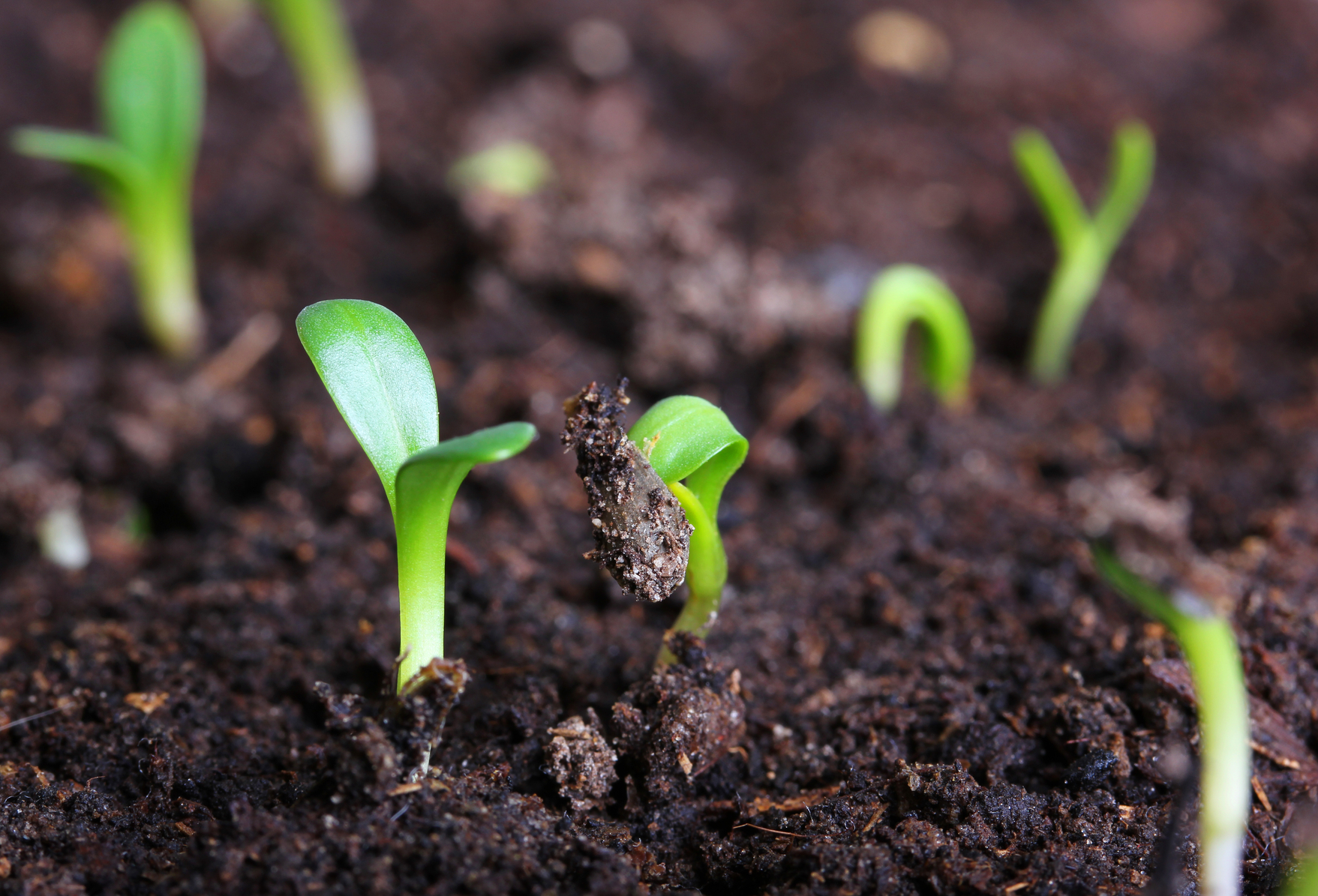
Organic Farms: A Sustainable Approach to Healthy Eating
In recent years, there has been a growing interest in organic farming as people become more conscious about the food they consume. Organic farming is an agricultural system that emphasizes the use of natural and sustainable practices to produce high-quality crops without the use of synthetic chemicals or genetically modified organisms (GMOs). This approach not only benefits our health but also promotes environmental conservation and supports local communities. In this article, we will explore what organic farms are, how they work, and why choosing organic products can be a great step towards a healthier lifestyle.
What is Organic Farming?
Organic farming is an alternative method of agricultural production that focuses on maintaining soil fertility while minimizing any negative impact on the environment. It relies on techniques such as crop rotation, composting, biological pest control, and using natural fertilizers to enhance soil quality naturally. Instead of relying heavily on chemical pesticides or herbicides, organic farmers often employ methods like companion planting and integrated pest management to protect their crops from pests and diseases.
One crucial aspect of organic farming is its commitment to renewable resources and sustainability. By avoiding synthetic inputs like chemical fertilizers or pesticides, organic farmers prioritize ecological balance in their operations. They strive to create a closed-loop system where waste becomes a valuable resource through activities like composting or utilizing animal manure as fertilizer.
How Do Organic Farms Work?
The fundamental principle behind organic farms lies in building healthy soils that support plant growth while nurturing biodiversity. Soil health plays a vital role in determining the nutritional content of plants since it directly affects nutrient availability for uptake by plants’ roots.
Crop rotation is one common practice employed by organic farmers to maintain soil fertility effectively. Different crop types have varying nutrient requirements; therefore, rotating crops helps prevent excessive depletion of specific nutrients from the soil while reducing weed pressure and disease incidence naturally.
Composting is another essential technique used in organic farming systems. It involves decomposing organic waste materials, such as vegetable scraps, yard trimmings, or animal manure, to create nutrient-rich compost. This natural fertilizer replenishes the soil with essential nutrients and improves its structure and moisture-holding capacity.
In addition to crop rotation and composting, organic farmers often utilize cover crops. Cover crops are planted between main crops to protect the soil from erosion caused by wind or rain. They also enhance soil fertility by fixing nitrogen from the air, reducing weed growth, and providing habitat for beneficial insects.
Weed control is a significant challenge faced by all farmers. In organic farming systems, instead of relying on synthetic herbicides, various techniques like mulching (covering the soil with a layer of organic materials), hand weeding, or using specialized tools are employed to manage weeds effectively.
Furthermore, pest management in organic farms focuses on prevention rather than eradication. Integrated Pest Management (IPM) is an approach that combines multiple strategies such as biological control (using beneficial insects), cultural practices (e.g., trap cropping), mechanical methods (e.g., manual removal), and selective use of approved pesticides derived from natural sources when necessary.
Why Choose Organic?
Now that we understand how organic farms work let’s explore why choosing organic products can be beneficial for both our health and the environment.
1. Health Benefits: Organic foods are free from synthetic pesticides or fertilizers that may have harmful effects on human health in the long term. Several studies suggest that consuming organically grown fruits and vegetables reduces exposure to pesticide residues significantly. Moreover, organically produced food tends to contain higher levels of certain nutrients like antioxidants compared to conventionally grown counterparts.
2. Environmental Conservation: The use of chemical inputs in conventional agriculture contributes to water pollution through runoff into rivers and lakes while degrading soil quality over time due to excessive reliance on synthetic fertilizers. On the other hand, organic farming promotes biodiversity conservation as it avoids using chemicals harmful to pollinators, birds, and beneficial insects. Organic farms prioritize the preservation of natural resources, including water conservation and soil protection.
3. Support for Local Communities: Choosing organic products means supporting local farmers who adhere to sustainable practices. By purchasing from local organic farms, we contribute to the growth and development of our communities, ensuring that small-scale farmers can continue their operations while providing us with fresh and nutritious food options.
4. Improved Animal Welfare: Organic farming standards also extend to livestock production. Animals raised on organic farms are given access to outdoor areas for grazing or exercise, fed organic feed that does not contain GMOs or antibiotics, and are generally treated more humanely compared to conventional factory farming methods.
Conclusion
Organic farming represents a holistic approach towards sustainable agriculture by prioritizing ecological balance, soil health, biodiversity conservation, and ultimately promoting healthier food choices. By embracing organic products in our daily lives, we not only take care of our well-being but also contribute positively towards environmental stewardship and support local communities. So let’s make a conscious decision to choose organic – for ourselves and for the planet!

Leave a Reply