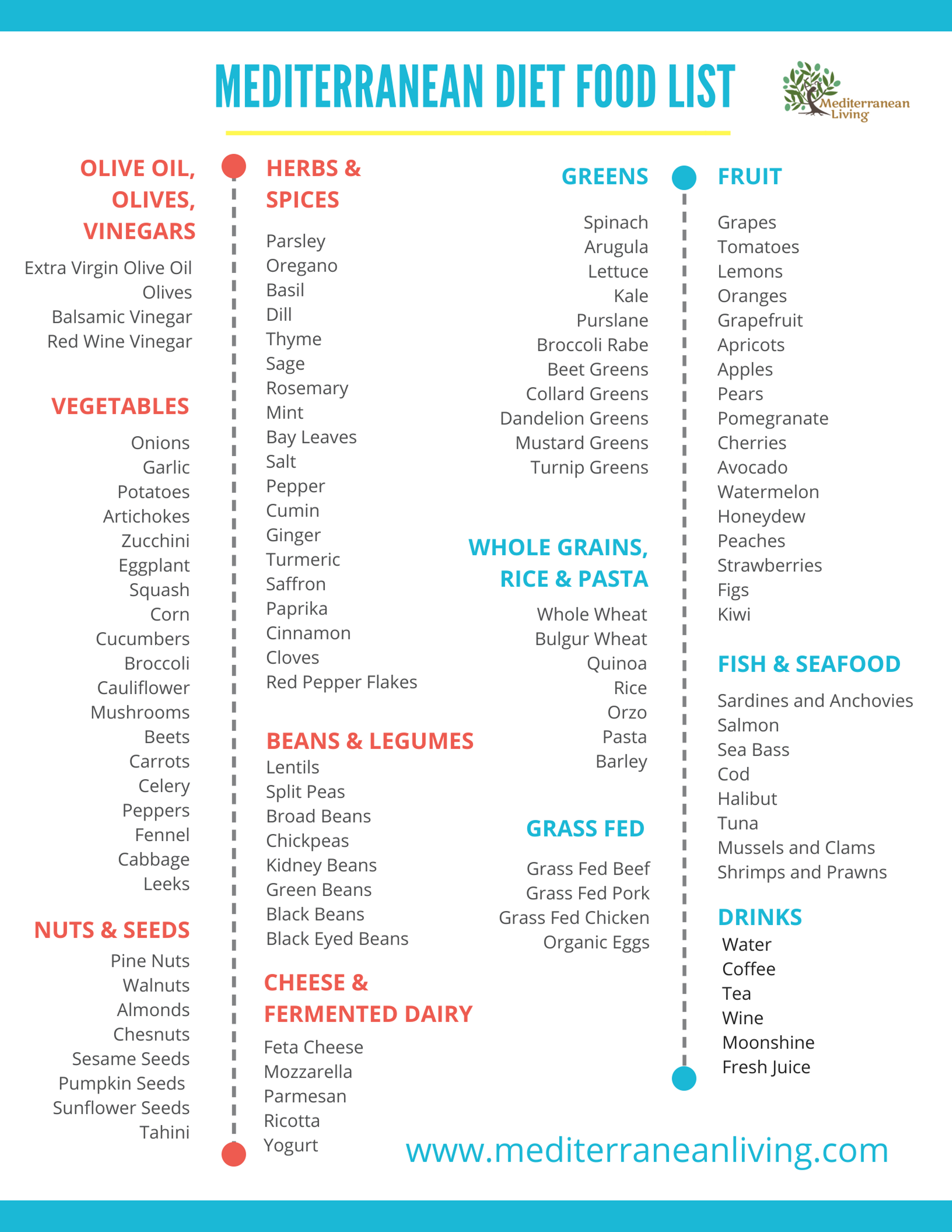
The Low-fat Mediterranean diet is a time-tested approach to healthy eating that has its roots in the traditional food habits of people living in countries bordering the Mediterranean Sea. This dietary pattern, which emphasizes whole foods and limits saturated fats, has been associated with numerous health benefits.
At the core of the Low-fat Mediterranean diet are fruits, vegetables, whole grains, legumes, nuts, and seeds. These foods are packed with essential vitamins, minerals, antioxidants, and fiber that promote overall well-being. They also provide a wide array of flavors and textures that make meals enjoyable.
To reduce saturated fat intake while still incorporating lean sources of protein into the diet, fish and poultry are preferred over red meat. Fish such as salmon and sardines are rich in heart-healthy omega-3 fatty acids. Poultry like chicken or turkey can be enjoyed without their skin to minimize fat content.
Olive oil takes center stage as the primary source of dietary fat in this eating plan. It is used for cooking as well as dressing salads or drizzling on vegetables. Olive oil contains monounsaturated fats that have been shown to have positive effects on cholesterol levels and cardiovascular health.
Dairy products play a minimal role in the Low-fat Mediterranean diet but can still be included in moderation. Options like low-fat yogurt or cheese can provide calcium and other nutrients while keeping saturated fat intake low.
The inclusion of herbs and spices adds depth to meals without relying heavily on salt or unhealthy additives for flavoring. Garlic, oregano, basil, rosemary – these aromatic ingredients not only enhance taste but also offer potential health benefits due to their antioxidant properties.
In addition to providing nourishment through balanced meals made from fresh ingredients, the Low-fat Mediterranean diet encourages mindful eating practices. Taking time to savor each bite while enjoying meals with family or friends promotes a healthier relationship with food.
Research has consistently shown that following a Low-fat Mediterranean diet can help reduce the risk of chronic diseases such as heart disease, type 2 diabetes, and certain types of cancer. It has also been associated with weight loss and improved cognitive function.
In conclusion, the Low-fat Mediterranean diet offers a delicious and nutritious approach to healthy eating. By emphasizing whole foods, limiting saturated fats, and incorporating beneficial components like olive oil and fish, this dietary pattern provides a roadmap for long-term wellness. So why not take a culinary journey through the Mediterranean region and embrace this time-honored way of nourishing your body?

Leave a Reply