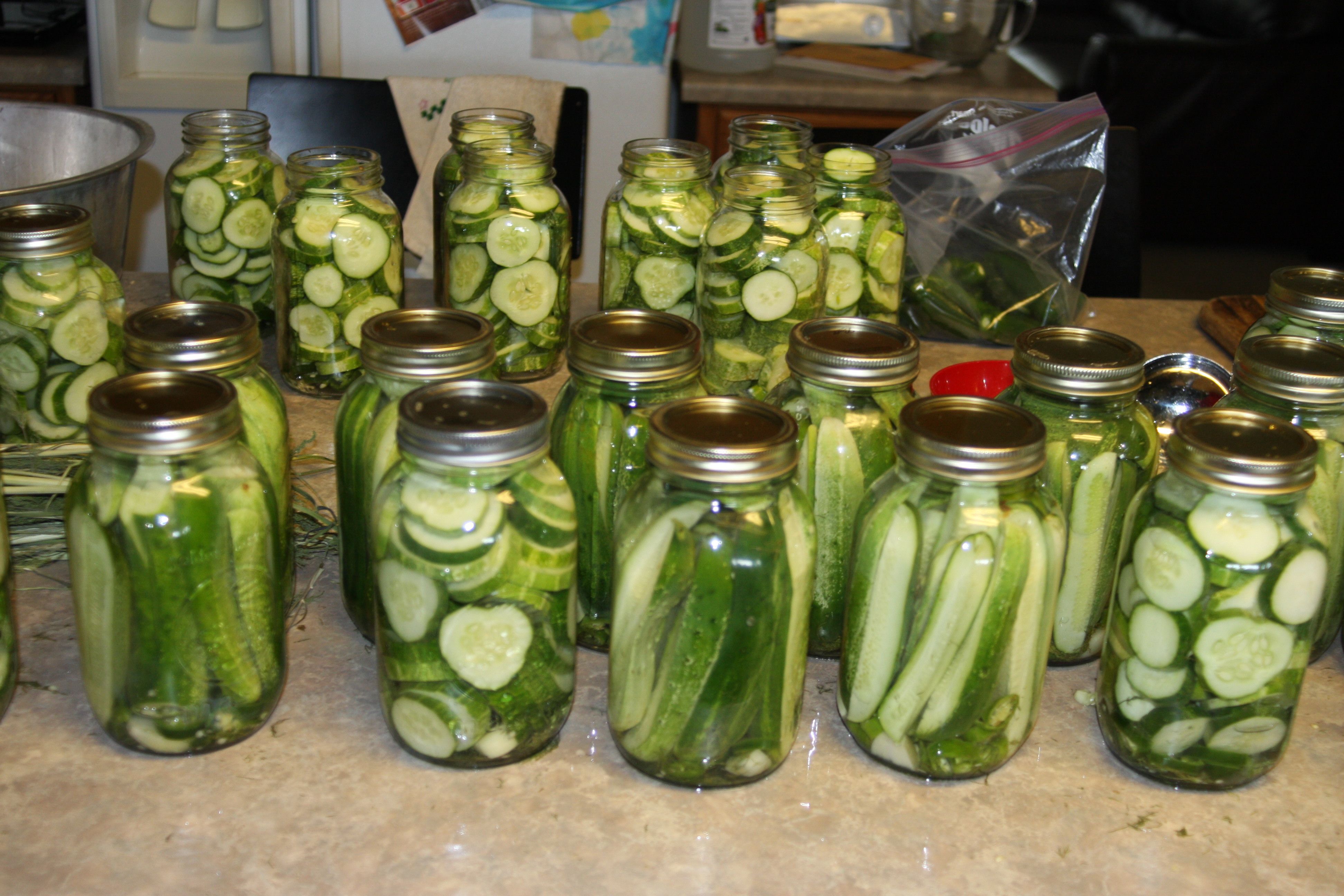
Canning and Pickling Seasonal Foods: Preserving the Harvest
Welcome to our guide on canning and pickling seasonal foods! As the seasons change, we are often blessed with an abundance of fresh fruits and vegetables. However, it’s not always possible to consume them all before they spoil. That’s where canning and pickling come in handy. These traditional preservation methods allow us to enjoy the flavors of summer throughout the year while reducing food waste.
Canning is a method of preserving food by sealing it in airtight containers. The process involves heating the food to kill bacteria, yeast, and molds that cause spoilage. This technique allows you to store your favorite seasonal produce for months or even years.
There are two popular methods for home canning: water bath canning and pressure canning. Water bath canning is suitable for high-acid foods like jams, jellies, fruit preserves, pickles (with added acid), tomatoes (with added acid), and salsa. Pressure canning is necessary for low-acid foods such as vegetables, meat, poultry, seafood, and soups.
To get started with water bath canning, gather your supplies: jars with lids and bands specifically designed for home canning; a large pot deep enough to cover the jars with at least one inch of boiling water; a jar lifter or tongs; a funnel; a ladle; clean dish towels or paper towels; and a timer.
The first step is preparing your recipe according to trusted sources like the National Center for Home Food Preservation or reputable cookbooks focused on safe home-canning practices. Once you have prepared your recipe – whether it’s strawberry jam or dill pickles – fill sterilized jars using a funnel leaving appropriate headspace as indicated in your recipe.
Next comes processing. Place filled jars into boiling water using a jar lifter or tongs carefully. Ensure there is at least one inch of water covering the jars. Adjust processing time according to your recipe and altitude level. Once processed, remove the jars from the boiling water and place them on a clean dish towel or paper towels to cool. As they cool, you will hear a “ping” sound as each jar forms a vacuum seal.
Pickling is another fantastic way to preserve seasonal produce while adding exciting flavors. Pickling involves preserving food in an acidic solution, typically vinegar or brine, which inhibits the growth of bacteria that causes spoilage.
There are two types of pickling: refrigerator pickles and canned pickles. Refrigerator pickles are quick and easy but require refrigeration for storage due to their shorter shelf life. Canned pickles undergo heat processing similar to water bath canning, ensuring long-term shelf stability.
To make refrigerator pickles, start by selecting fresh cucumbers or other vegetables like carrots, beets, onions, or green beans. Slice or chop them into desired shapes and pack them tightly into sterilized glass jars.
Next comes creating your brine. Bring equal parts water and vinegar (white distilled vinegar) to a boil along with salt and sugar until dissolved completely. You can add spices such as dill seeds, garlic cloves, mustard seeds, peppercorns, or red pepper flakes for extra flavor.
Once the brine has cooled slightly but is still hot enough to dissolve any added spices or seasonings thoroughly if used – pour it over the packed vegetables in the jars until fully submerged. Secure lids tightly on the jars and allow them to cool at room temperature before transferring them to the refrigerator.
Canned pickles follow a similar process but involve additional steps such as heating filled jars in boiling water for specified times based on recipes adjusted for altitude levels before cooling and storing them in a dark pantry for long-term preservation.
In conclusion, canning and pickling seasonal foods provide us with an opportunity not only to extend the shelf life of fresh produce but also to savor their flavors all year round. Whether you choose water bath canning or pickling, remember to follow trusted recipes and guidelines for safe home food preservation. So go ahead, embrace this age-old tradition, and start preserving the harvest!

Leave a Reply