Benefits of Staying Hydrated
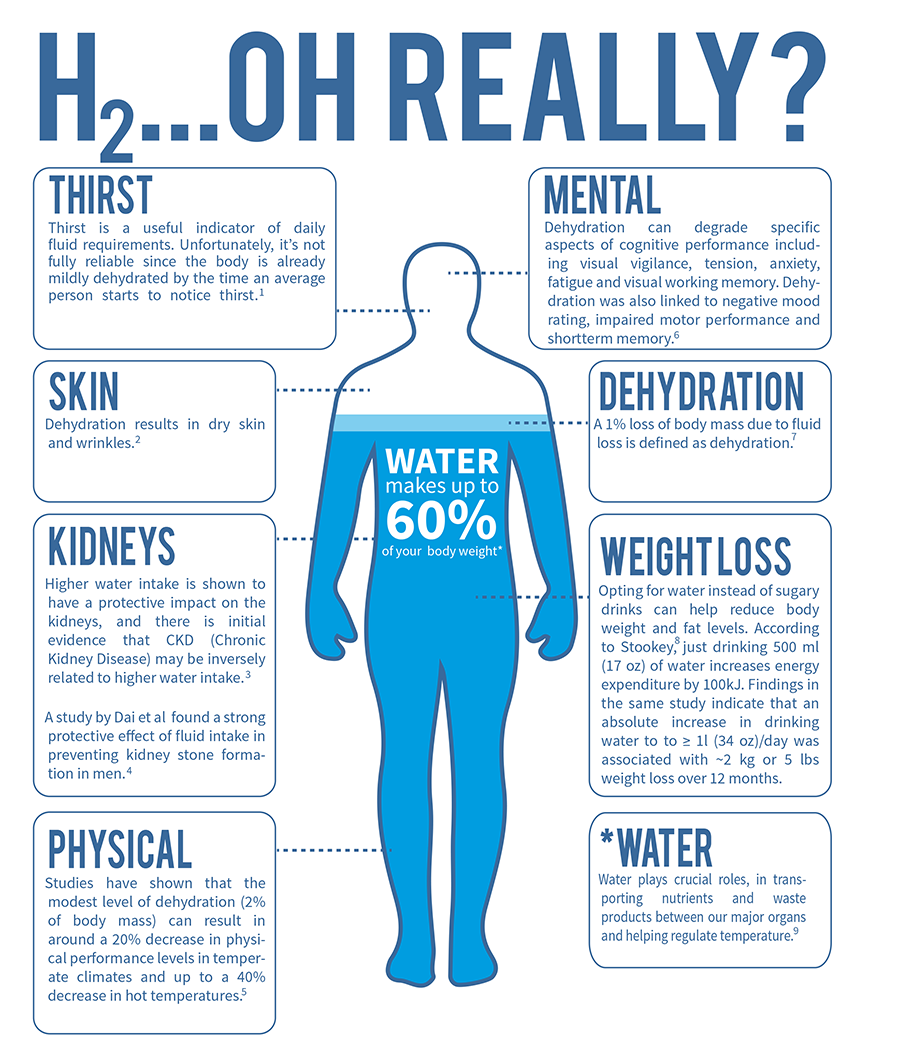
Staying hydrated is crucial for maintaining overall health and well-being. It plays a vital role in various bodily functions and processes, making it essential to drink enough water throughout the day. In this article, we will explore the numerous benefits of staying hydrated, discuss how much water you should drink daily, and provide tips for increasing your water intake.
1. Importance of Drinking Water for Overall Health
Water is essential for our bodies to function optimally. It helps regulate body temperature, lubricates joints, aids digestion, transports nutrients and oxygen to cells, removes waste products from the body through urine and sweat, and supports proper organ function.
2. How Much Water Should You Drink Daily?
The amount of water you need depends on various factors such as age, sex, activity level, climate conditions, and overall health status. The general guideline is to aim for eight 8-ounce glasses or about 2 liters (64 ounces) of water per day. However, individual needs may vary.
3. Hydration and Weight Loss
Drinking an adequate amount of water can assist in weight loss efforts by boosting metabolism while reducing appetite. Water has zero calories and can fill up your stomach temporarily when consumed before meals or snacks.
4. Best Time to Drink Water for Maximum Benefits
While there’s no specific “best” time to drink water as it should be consumed throughout the day consistently; drinking a glass of water first thing in the morning can help kickstart your hydration routine after hours without fluids during sleep.
5. Hydration and Exercise Performance
Proper hydration is crucial during exercise as it helps maintain optimal body temperature while supporting muscle function and preventing fatigue or cramping. Aim to consume fluids before, during (if longer than 30 minutes), and after physical activity.
6. Tips for Increasing Water Intake
If you struggle with drinking enough water daily:
– Carry a reusable bottle with you at all times.
– Set reminders or use water tracking apps to stay on top of your hydration goals.
– Infuse your water with fruit, herbs, or cucumber slices for added flavor.
– Drink a glass of water before each meal and snack.
– Consume hydrating foods such as fruits and vegetables.
7. Healthy Alternatives to Plain Water
If you find plain water boring, there are several healthy alternatives to keep you hydrated:
– Herbal teas: They provide hydration while offering additional health benefits from various herbal infusions.
– Infused waters: Add slices of citrus fruits, berries, mint leaves, or cucumbers to naturally flavor your water without adding calories or artificial sweeteners.
– Coconut water: It is rich in electrolytes and can be a great option for rehydration after exercise.
8. Hydrating Foods for Optimal Hydration
In addition to drinking fluids, incorporating hydrating foods into your diet can help maintain adequate hydration levels. Some examples include:
– Cucumbers: With a high-water content of around 96%, they are an excellent choice for staying hydrated.
– Watermelon: As the name suggests, it’s packed with water (about 92%) and also provides essential nutrients like vitamins A and C.
– Strawberries: These juicy fruits contain about 92% water along with fiber and antioxidants.
9. The Role of Electrolytes in Hydration
Electrolytes are minerals that play a crucial role in maintaining fluid balance within the body. They include sodium, potassium, calcium, magnesium, chloride, and phosphate. These minerals help regulate muscle function and nerve impulses while supporting proper hydration levels.
10. Hydration and Skin Health
Staying properly hydrated can contribute to healthy skin by improving elasticity and moisture retention. Dehydration can lead to dryness, flakiness, dullness, increased appearance of wrinkles or fine lines – indicating the importance of adequate water intake for maintaining a youthful complexion.
11. Hydration for Digestive Health
Drinking enough water is essential for proper digestion and preventing common digestive issues such as constipation. Water helps soften stools, making them easier to pass through the digestive tract. Additionally, it aids in nutrient absorption and supports overall gut health.
12. Hydration During Pregnancy and Breastfeeding
Pregnant women and breastfeeding mothers have increased fluid needs due to changes in their bodies’ demands. Proper hydration during these periods is vital for supporting fetal development, maintaining amniotic fluid levels, regulating body temperature, and ensuring sufficient breast milk production.
13. Hydration and Mental Clarity/Focus
Dehydration can negatively impact cognitive function by causing fatigue, dizziness, poor concentration, and mood swings. Staying hydrated throughout the day can help improve mental clarity, focus, alertness – ultimately enhancing productivity levels.
14. The Link Between Dehydration and Headaches/Migraines
Headaches are often associated with dehydration because insufficient water intake can affect blood volume and flow to the brain. Chronic dehydration may also trigger migraines or exacerbate their symptoms in individuals prone to these debilitating headaches.
15. Hydration Strategies for Athletes
Athletes require special attention to hydration due to increased sweat rates during exercise which can lead to significant fluid loss if not replenished adequately:
– Pre-hydration: Consume fluids before exercise.
– During activity: Drink small amounts of water or sports drinks regularly.
– Post-workout: Rehydrate with fluids containing electrolytes within 30 minutes after exercising.
16. Debunking Common Myths about Hydration
There are several myths surrounding hydration that need debunking:
– Myth: You should only drink when you feel thirsty.
Fact: Thirst is not always an accurate indicator of your body’s hydration status; relying solely on thirst may lead to inadequate fluid intake.

Leave a Reply