Vitamin A is an essential nutrient that plays a crucial role in maintaining our overall health. It is a fat-soluble vitamin that is found naturally in many foods and can also be obtained through supplements. In this article, we will explore the importance of vitamin A, its various forms, recommended daily intake, food sources, potential benefits, and possible risks associated with deficiency or excess intake.
1. Importance of Vitamin A:
Vitamin A has numerous functions in our body. It supports healthy vision by maintaining the integrity of our retina and cornea. Additionally, it plays a vital role in promoting immune function by supporting the development and differentiation of white blood cells. Moreover, it contributes to cell growth and division, which aids in maintaining healthy skin and mucous membranes.
2. Forms of Vitamin A:
There are two types of vitamin A: preformed vitamin A (retinoids) and provitamin A carotenoids. Retinoids include retinol (the most biologically active form), retinaldehyde, and retinoic acid. They are found primarily in animal-based foods such as liver, dairy products, fish oils, eggs, and fortified foods like cereals or margarine.
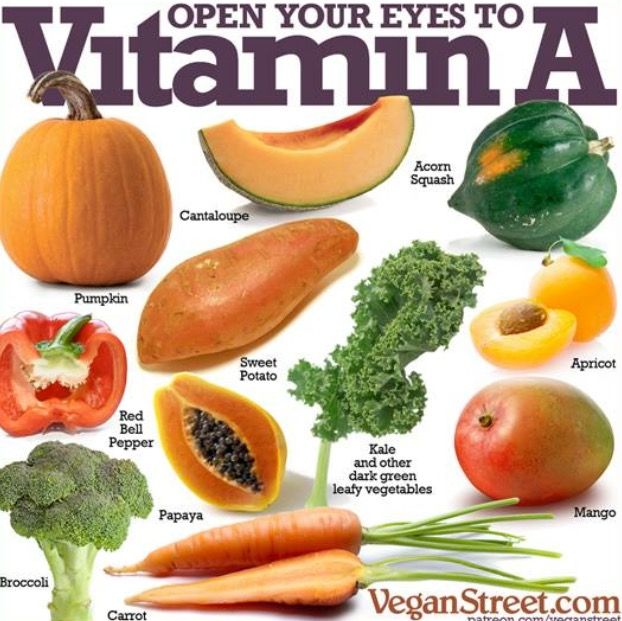
Provitamin A carotenoids include beta-carotene (the most well-known), alpha-carotene, gamma-carotene, lycopene, lutein,and zeaxanthin which are found abundantly in colorful fruits and vegetables like carrots,tomatoes,pumpkins,sweet potatoes,mangoes,papayas,cantaloupes,kale,and spinach.
3. Recommended Daily Intake:
The recommended daily intake for vitamin A varies depending on age group and gender but generally falls between 600-900 micrograms for adults.Adequate levels may vary based on individual circumstances such as pregnancy or medical conditions.It’s always best to consult with a healthcare professional to determine your specific needs.
4.Food Sources of Vitamin A:
Various food sources provide vitamin A in its different forms. Animal-based foods like liver, dairy products, and fish oils are rich sources of retinoids. Plant-based foods such as fruits and vegetables offer carotenoids. Brightly colored produce like carrots, tomatoes, sweet potatoes, and leafy greens contain high levels of beta-carotene.
5.Potential Benefits of Vitamin A:
a) Vision Health: As mentioned earlier,vitamin A is crucial for maintaining good vision. It helps prevent night blindness and supports overall eye health.
b) Immune Function: Adequate intake of vitamin A strengthens the immune system by supporting the growth and development of white blood cells that fight against infections.
c) Skin Health: Retinol,a form of vitamin A,is widely used in skincare products due to its ability to promote healthy skin cell turnover,reducing the appearance of wrinkles,fine lines,and acne.Retinol also helps protect against sun damage.
d) Bone Health: Vitamin A plays a role in bone metabolism by aiding in the production and maintenance of osteoblasts (bone-building cells). It may help reduce the risk of osteoporosis when consumed within recommended levels.
e) Reproductive Health: For women, vitamin A is essential during pregnancy as it contributes to fetal development, including proper formation of organs such as eyes, ears, limbs,and heart.Children born to mothers with vitamin-A deficiency can suffer from visual impairments or even blindness.
6.Risks Associated with Deficiency:
Vitamin A deficiency is a significant public health concern globally. Insufficient intake can lead to various health issues:
a) Night Blindness: One common symptom associated with low vitamin A levels is night blindness – difficulty seeing clearly in dim light or at night.
b) Increased Susceptibility to Infections: The immune system relies on adequate amounts of vitamin A for optimal function.Deficiency compromises immunity,making individuals more susceptible to infections.
c) Skin Problems: Dry skin, acne, and other dermatological issues may arise due to insufficient vitamin A levels. Retinoids are commonly used in topical creams to address these problems.
d) Impaired Growth: Vitamin A deficiency can hinder growth and development in children,resulting in stunted height or delayed maturation.
7.Risks Associated with Excess Intake:
While vitamin A is crucial for our health, excessive intake can lead to toxicity (hypervitaminosis A). This generally occurs from consuming large amounts of preformed vitamin A from supplements or animal-based foods rather than plant-based sources. Symptoms of hypervitaminosis A include nausea, dizziness, hair loss, bone pain,and even liver damage. Pregnant women should exercise caution as high doses of retinol have been associated with birth defects.
8.Who May Benefit from Supplements?
In general,a well-balanced diet should provide sufficient amounts of vitamin A.However,supplementation may be necessary for certain individuals:
a) Vegetarians and Vegans: Since the primary sources of preformed vitamin A are animal-based foods such as liver,eggs,and dairy products,those following a vegetarian or vegan lifestyle may require additional supplementation or focus on increasing their intake of provitamin-A carotenoids through fruits and vegetables.
b) Digestive Disorders: Individuals with conditions that impair fat absorption (such as Crohn’s disease,cystic fibrosis,and celiac disease)may struggle to absorb enough dietary vitamin-A.While addressing the underlying condition is key,supplements might be necessary under medical supervision.
9.Tips for Maximizing Vitamin A Absorption:
To optimize the absorption of vitamin A-rich foods,follow these tips:
a) Pair Vitamin-A Rich Foods with Healthy Fats: Since it is a fat-soluble nutrient,eating foods containing provitamin-A carotenoids along with healthy fats like avocado,oils,nuts,or seeds can enhance absorption.
b) Cook Foods Appropriately: Heat and cooking methods like steaming or roasting improve the bioavailability of provitamin-A carotenoids in vegetables by breaking down plant cell walls.
c) Consume a Variety of Colors: Eating a diverse range of brightly colored fruits and vegetables ensures you are getting a mix of different carotenoids that your body can convert to vitamin A as needed.
10.Consultation with Healthcare Professionals:
If you suspect a deficiency or have concerns regarding your dietary intake, it is always advisable to consult with a registered dietitian or healthcare professional who can assess your specific needs and recommend appropriate interventions. They may suggest blood tests to measure vitamin A levels if necessary.
11.Summary:
Vitamin A is an essential nutrient that plays a crucial role in maintaining our overall health. It supports vision, boosts immune function, promotes healthy skin,and contributes to bone health. While deficiency can lead to night blindness, impaired growth,and weakened immunity, excessive intake may result in toxicity-related symptoms. Including vitamin-A rich foods like liver,dairy products,eggs and colorful fruits/vegetables in your diet will help ensure adequate levels.However,supplementation may be necessary for certain individuals who are at risk or have specific dietary restrictions.It’s important to consult with healthcare professionals for personalized advice.
12.References:
– National Institutes of Health – Office of Dietary Supplements
– World Health Organization (WHO)
– Mayo Clinic
13.Disclaimer:
The information provided here should not replace individualized advice from qualified healthcare professionals.Do consult with them before making any significant dietary changes or starting supplements.

Leave a Reply