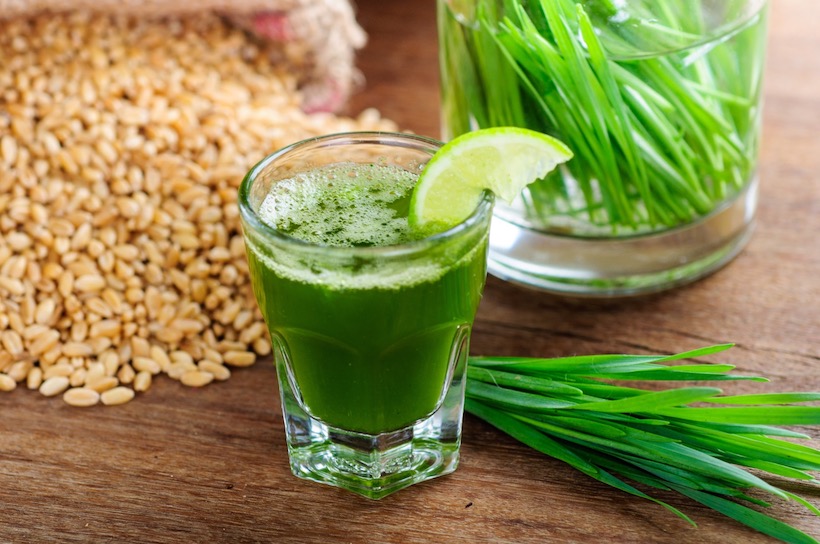
Wheatgrass, a young grass of the wheat plant called Triticum aestivum, has gained significant popularity in recent years as a powerful superfood with numerous health benefits. Packed with essential vitamins, minerals, enzymes, and chlorophyll, wheatgrass is known for its exceptional nutritional value. This vibrant green grass is commonly consumed as juice or added to smoothies and offers an array of potential health advantages.
One of the primary reasons people turn to wheatgrass is its high content of vitamins and minerals. It is particularly rich in vitamin A, vitamin C, vitamin E, and B-complex vitamins such as thiamin (B1), riboflavin (B2), niacin (B3), pyridoxine (B6), folate (B9), cyanocobalamin (B12). These nutrients play crucial roles in maintaining overall health and wellbeing. For example, vitamin A promotes healthy vision and immune function while supporting cell growth and differentiation. Vitamin C acts as an antioxidant protecting cells from damage caused by free radicals while also boosting immunity.
In addition to vitamins, wheatgrass provides various essential minerals like iron, calcium, magnesium, zinc, copper along with trace elements such as selenium. Iron helps carry oxygen throughout the body while calcium promotes strong bones and teeth. Magnesium plays a vital role in energy production within cells and supports muscle function. Zinc aids in wound healing and immune system functioning whereas copper assists in the formation of red blood cells.
Wheatgrass also contains several important enzymes that aid digestion by breaking down proteins into amino acids which can be readily absorbed by the body. Enzymes like protease help digest proteins effectively while amylase facilitates carbohydrate digestion providing necessary energy for bodily functions. Additionally lipase breaks down fats promoting their absorption.
Furthermore chlorophyll found abundantly in wheatgrass gives it its distinct green color but also contributes significantly to its nutritional profile. Chlorophyll is known for its detoxifying properties, helping to cleanse the liver and other organs. It also acts as an antioxidant, neutralizing harmful free radicals in the body.
Research suggests that wheatgrass may provide potential health benefits such as boosting immunity, reducing inflammation, improving digestion, aiding weight loss, and promoting detoxification. Its high chlorophyll content may help purify the blood and increase oxygen supply to cells enhancing overall energy levels. Some studies have also suggested that wheatgrass consumption can aid in managing blood sugar levels by supporting insulin function.
To incorporate wheatgrass into your diet effectively, it is recommended to consume it in its raw form or as a juice rather than cooking or heating it. This ensures maximum retention of its valuable nutrients. Freshly juiced wheatgrass can be consumed on its own or mixed with other fruits and vegetables for a nutrient-rich green smoothie.
However, it is important to note that while wheatgrass offers numerous health benefits for many individuals, some people may experience adverse reactions due to allergies or sensitivities. If you have a history of grass allergies or are unsure about consuming wheatgrass, consult with a healthcare professional before adding it to your diet.
In conclusion, wheatgrass holds immense nutritional value due to its rich content of vitamins, minerals enzymes and chlorophyll. From supporting immune function and digestion to aiding in detoxification and weight management – this superfood has much to offer. Incorporating fresh wheatgrass juice into your daily routine might just be the boost your health needs!

Leave a Reply