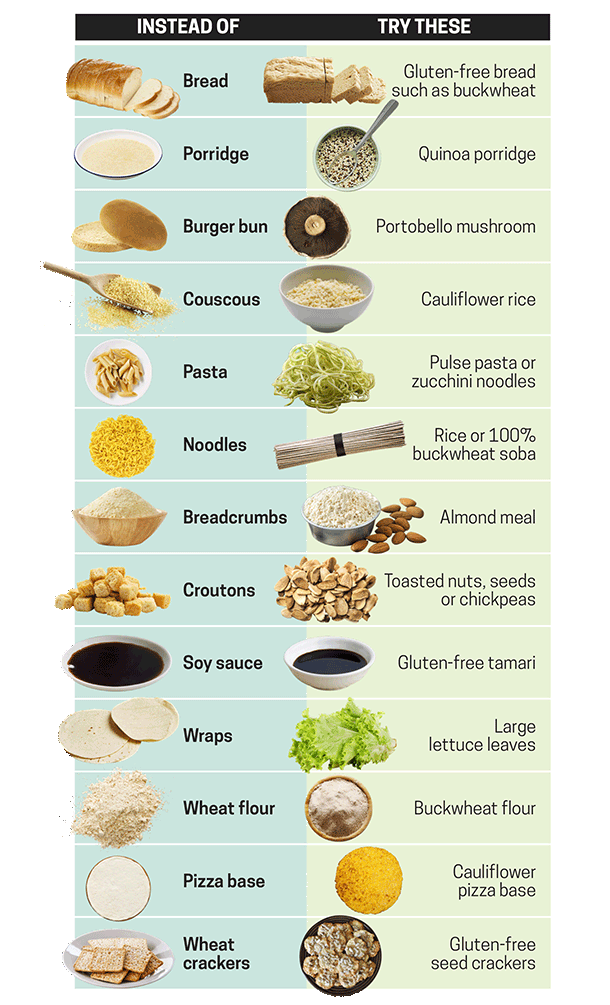
Going gluten-free has become incredibly popular in recent years, with more and more people opting for this dietary choice. Whether you have Celiac disease, a gluten intolerance, or simply want to explore healthier eating options, going gluten-free can have numerous benefits for your overall well-being. In this article, we will explore some delicious and nutritious gluten-free alternatives that you can incorporate into your diet.
1. Whole Grains:
One of the biggest challenges when going gluten-free is finding suitable substitutes for wheat-based products like bread and pasta. Thankfully, there are several whole grain options available that are naturally free from gluten. Quinoa, brown rice, amaranth, millet, and buckwheat are all excellent choices to consider. These grains not only provide fiber but also contain essential nutrients such as magnesium and iron.
2. Nut Flours:
If you’re looking for a flour substitute without compromising on taste or texture, nut flours are an excellent option. Almond flour is one of the most popular choices due to its mild flavor and versatility in baking recipes. It’s low in carbohydrates but rich in healthy fats and protein. Other nut flours like coconut flour or hazelnut flour can also be used depending on personal preference.
3. Legume Pastas:
Traditional wheat pasta may be off-limits for those following a gluten-free diet; however, legume-based pastas offer a fantastic alternative packed with protein and fiber. Made from chickpeas (also known as garbanzo beans), lentils or black beans – these pastas not only taste great but also provide valuable nutrients while keeping you full longer.
4.Vegetable Noodles:
For those looking to reduce their carbohydrate intake altogether or add more vegetables to their plate – vegetable noodles make an exciting option! Using spiralizers or julienne peelers allows you to transform zucchini into “zoodles,” sweet potatoes into “swoodles,” or carrots into “coodles.” These vegetable noodles can be used as a base for various sauces and toppings, providing a creative and healthy twist to your meals.
5. Gluten-Free Grains:
While wheat is off-limits, there are plenty of other gluten-free grains that can add variety to your diet. Some examples include cornmeal, oats (look for certified gluten-free oats), teff, sorghum, and wild rice. These grains can be cooked as side dishes or incorporated into soups, stews, and salads.
6. Nut Butter:
Nut butter is not only delicious but also a fantastic source of healthy fats and protein. Whether you prefer almond butter or cashew butter – these spreads can be enjoyed on gluten-free bread or used in baking recipes as an alternative to traditional spreads like peanut butter.
7. Seed Crackers:
If you’re missing the crunch of crackers but want to avoid the gluten-filled options available on supermarket shelves – seed crackers are worth considering. Made from nutritious seeds like chia seeds, flaxseeds, pumpkin seeds, or sunflower seeds; these crackers offer a satisfying crunch while providing essential nutrients like omega-3 fatty acids and fiber.
8. Buckwheat Noodles:
Buckwheat noodles have been popular in Asian cuisine for centuries and are naturally gluten-free despite their name containing ‘wheat’. They have a unique flavor with a slightly nutty taste that pairs well with stir-fries or cold noodle salads.
9. Coconut Aminos:
Soy sauce is commonly used in many recipes; however, it contains gluten due to its fermentation process involving wheat-based products. Coconut aminos serve as an excellent soy sauce alternative for those following a gluten-free diet. It’s made from the sap of coconut trees and provides similar flavors without any traces of gluten.
10.Dairy Alternatives:
Gluten intolerance often goes hand-in-hand with lactose intolerance. Fortunately, there are numerous dairy alternatives available that can replace milk, cheese, and yogurt in your diet. Almond milk, oat milk, coconut milk, and soy milk are just a few examples of the many options you can choose from.
In conclusion, going gluten-free doesn’t mean sacrificing taste or variety in your diet. With an array of alternative options available today, it’s easier than ever to enjoy delicious meals while adhering to a gluten-free lifestyle. Experiment with these suggestions and explore other creative alternatives to discover a whole new world of flavors that will keep you satisfied and healthy.

Leave a Reply