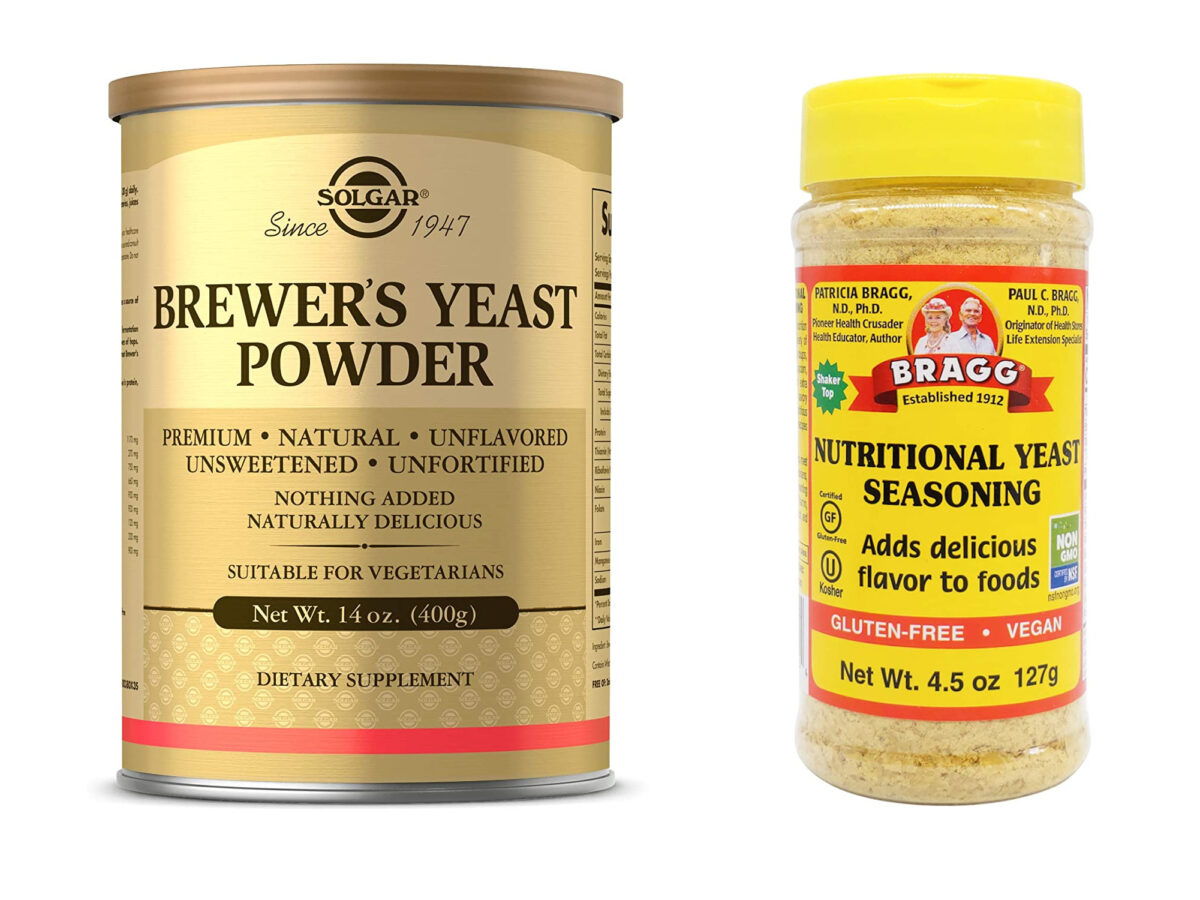
The Role of Nutritional Yeast in Plant-Based Diets
More and more people are adopting plant-based diets for various reasons, including health, environmental concerns, and ethical considerations. However, one challenge that often arises when following a plant-based diet is obtaining certain nutrients that are predominantly found in animal products. Fortunately, nutritional yeast has emerged as a popular ingredient among those who follow plant-based diets due to its unique nutritional profile and versatility in culinary applications.
What is Nutritional Yeast?
Nutritional yeast is a deactivated form of Saccharomyces cerevisiae, a type of yeast commonly used in baking and brewing. Unlike active yeasts used for leavening bread or fermenting beer, nutritional yeast does not have the ability to leaven or ferment because it has been heated and dried during processing.
Nutritional yeast is typically sold as yellow flakes or powder with a savory taste reminiscent of cheese. It can be found in most health food stores and is often labeled as “nutritional yeast flakes” or “vegetarian support formula.”
Nutrient Composition
One of the main reasons why nutritional yeast has gained popularity among plant-based eaters is its impressive nutrient composition. It is rich in protein, fiber, B vitamins (including vitamin B12), folate, zinc, selenium, iron, and magnesium.
Protein: Nutritional yeast contains all nine essential amino acids needed by our bodies but cannot produce on their own. This makes it an excellent source of complete protein for individuals following plant-based diets.
B Vitamins: The B vitamins present in nutritional yeast play vital roles in energy production and overall well-being. Vitamin B12 deserves special mention since it’s primarily found naturally only in animal-derived foods. While some brands fortify their nutritional yeast with vitamin B12 derived from bacteria or other sources suitable for vegans/vegetarians; others may not contain significant amounts of this crucial nutrient.
Fiber: With approximately 3 grams of fiber per tablespoon, nutritional yeast can help support digestive health and promote regular bowel movements.
Minerals: Nutritional yeast contains an array of essential minerals, including zinc, selenium, iron, and magnesium. These minerals are involved in various bodily functions such as immune system regulation, DNA synthesis, energy production, and bone health.
Health Benefits
Due to its impressive nutrient profile, incorporating nutritional yeast into a plant-based diet can offer several health benefits:
1. Energy Boost: The B vitamins present in nutritional yeast play a key role in converting food into energy. Ensuring adequate intake of these vitamins can help combat fatigue and maintain optimal energy levels.
2. Enhanced Immunity: Zinc and selenium found in nutritional yeast are known for their immune-boosting properties. Including this ingredient in your meals may strengthen your body’s defense against common illnesses and infections.
3. Improved Digestive Health: The high fiber content of nutritional yeast supports healthy digestion by promoting regular bowel movements and maintaining gut health.
4. Vegan-Friendly Vitamin B12 Source (fortified varieties): For those following strict vegan or vegetarian diets that do not include animal products naturally rich in vitamin B12; fortified versions of nutritional yeast provide a reliable source of this essential nutrient.
Culinary Uses
Nutritional yeast is incredibly versatile in the kitchen due to its unique flavor profile that resembles cheese or umami-rich ingredients like mushrooms. Here are some popular ways to incorporate it into plant-based recipes:
1. Cheese Replacement: Sprinkle nutritional yeast on top of pasta dishes, salads or use it as an ingredient when making dairy-free “cheese” sauces or spreads for added flavor complexity.
2. Salad Dressings & Sauces: Blend it with cashews or other nuts/seeds to create creamy dressings or use it as a base for savory sauces like vegan Alfredo sauce or pesto.
3. Popcorn Topping: Add an extra layer of flavor to your popcorn by sprinkling nutritional yeast on top. It adds a cheesy taste without the need for dairy.
4. Baked Goods: Nutritional yeast can be used in baking to add a savory, umami flavor to bread, pizza dough, or savory muffins.
Final Thoughts
Nutritional yeast is an excellent addition to any plant-based diet due to its remarkable nutrient composition and versatility in culinary applications. However, it’s important to note that while nutritional yeast is rich in many nutrients, it should not be relied upon as the sole source of essential vitamins and minerals.
If you are following a plant-based diet or considering incorporating more plant-based meals into your routine, nutritional yeast can be a valuable ingredient to explore. Its unique taste and health benefits make it an enjoyable way to enhance both the nutrition and flavor profile of your dishes.

Leave a Reply