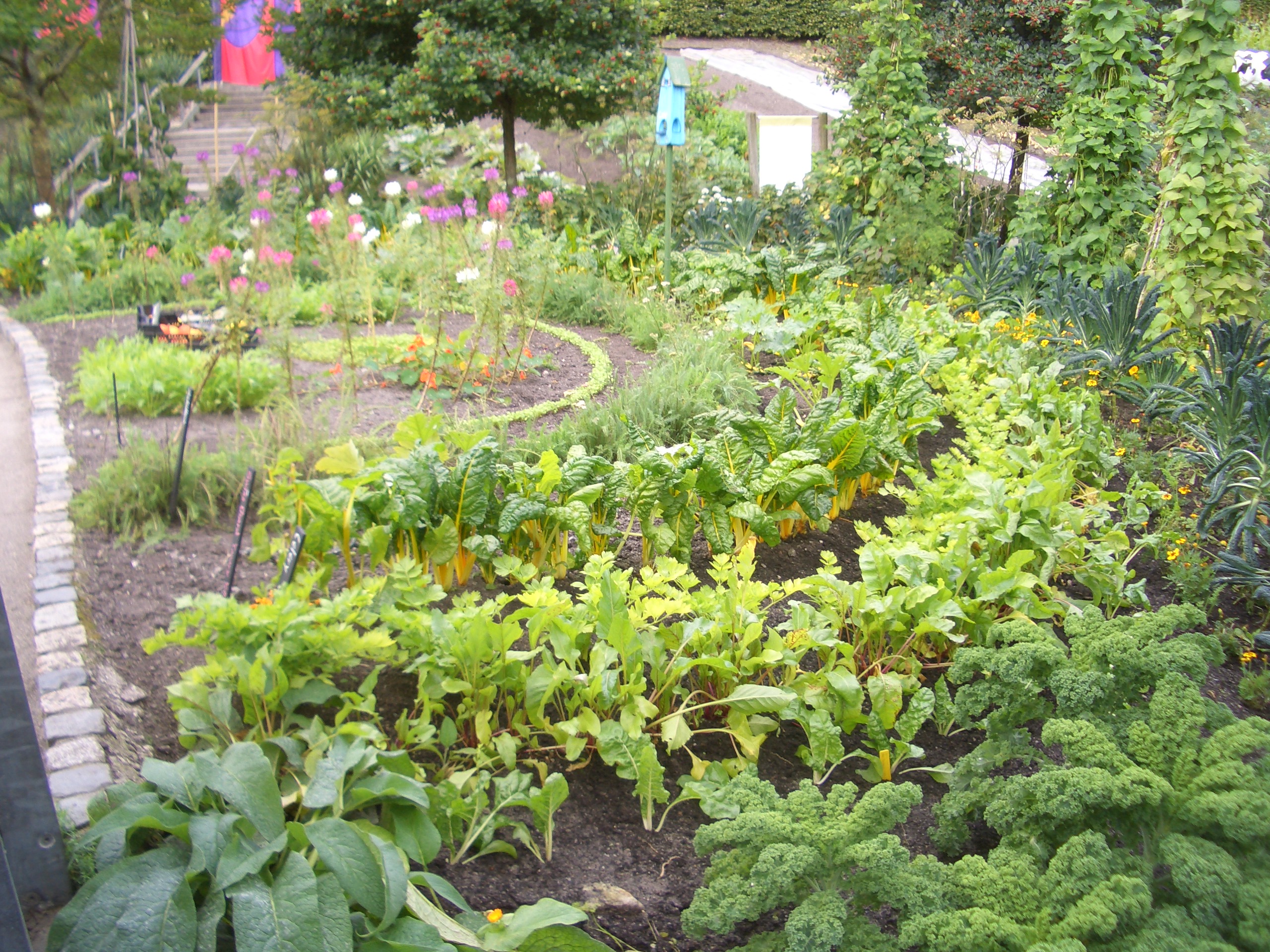
Edible Gardening: Growing Your Own Nutritious Food at Home
In recent years, there has been a growing trend towards healthier eating and a desire for more sustainable food sources. One way to achieve both of these goals is through edible gardening, where you can grow your own fruits, vegetables, herbs, and even edible flowers right in your backyard or balcony. Not only does this provide you with fresh and nutritious produce but it also allows you to have full control over what goes into your food.
Getting Started with Edible Gardening
Before jumping into the world of edible gardening, it’s essential to do some planning. Consider the available space you have – whether it’s a large yard or just a few pots on a windowsill – as well as the amount of sunlight that area receives throughout the day. Most edibles require at least six hours of direct sunlight daily, so choose an appropriate location accordingly.
Once you’ve determined where your garden will be located, prepare the soil by removing any weeds or grass and loosening it up with a garden fork or tiller. You may need to amend the soil if it lacks nutrients; adding compost or organic matter will help improve its fertility.
Choosing What to Grow
When deciding what to grow in your edible garden, consider both your personal preferences and climate conditions in your region. Start small with plants that are easy to grow such as tomatoes, lettuce, peppers, herbs like basil and mint, or strawberries.
If space is limited, vertical gardening using trellises or hanging baskets can be an excellent option for vining plants like cucumbers or beans. Additionally, dwarf varieties are available for many fruits (such as apple trees) which can thrive in containers on patios or balconies.
It’s important to select varieties suited for your specific climate zone because different plants have different needs regarding temperature ranges and water requirements. Local nurseries can guide you in choosing suitable plant varieties for your area.
Caring for Your Edible Garden
Watering is crucial in maintaining a healthy edible garden, especially during hot and dry periods. Most plants require regular watering, but be careful not to overwater as it can lead to root rot or other diseases. Using a drip irrigation system or soaker hoses can deliver water directly to the roots, reducing water waste through evaporation.
Mulching around your plants helps retain moisture in the soil while suppressing weed growth. Organic mulch like straw or wood chips not only conserves water but also enriches the soil as it breaks down over time.
Proper fertilization is essential for promoting healthy plant growth and maximizing yield. Organic options such as compost tea, worm castings, or fish emulsion are great choices that provide nutrients without harmful chemicals. Applying fertilizer according to package instructions and avoiding excessive use will prevent burning the plants’ roots.
Pest control is another aspect of gardening that requires attention. Regularly inspect your plants for signs of pests such as aphids or caterpillars and take appropriate action immediately if detected. Natural remedies like neem oil or insecticidal soap are effective against many common garden pests while being safe for consumption.
Harvesting Your Bounty
The joy of edible gardening comes when you finally get to harvest your hard-earned produce. Each plant has its own specific requirements regarding ripeness indicators, but generally, fruits and vegetables should be harvested when they reach their peak color and size.
Herbs can be harvested at any time once they have grown enough leaves to spare; simply snip off what you need from the top portion of each stem. Regular harvesting encourages continued production in most cases.
When picking fruits and vegetables, handle them gently to avoid bruising or damage. Some edibles like tomatoes may benefit from additional ripening indoors after harvesting before reaching their full flavor potential.
Preserving Your Harvest
If you find yourself with an abundant harvest, you may want to preserve some of your produce for later use. Canning, freezing, or drying are popular methods of food preservation that can extend the shelf life of your homegrown goodies.
Canning involves sealing fruits or vegetables in jars with a mixture of acid (such as vinegar) and sugar or salt. Freezing is a simple method where you blanch vegetables in boiling water briefly before transferring them to freezer-safe containers. Drying typically involves removing moisture from herbs or fruits by air drying or using a dehydrator.
By preserving your harvest, you can enjoy the flavors and nutrition from your edible garden all year long.
Conclusion
Edible gardening offers numerous benefits – from providing nutritious food options to reducing environmental impact and promoting self-sustainability. Whether you have ample space for a full-fledged garden or just a few pots on a windowsill, growing your own food is an incredibly rewarding experience that connects us back to nature’s abundance.
Start small with easy-to-grow plants and gradually expand as you gain confidence and knowledge. With proper care, attention, and patience, you’ll soon be enjoying the bountiful rewards of your edible garden while reaping the delicious benefits of healthy eating!


Leave a Reply