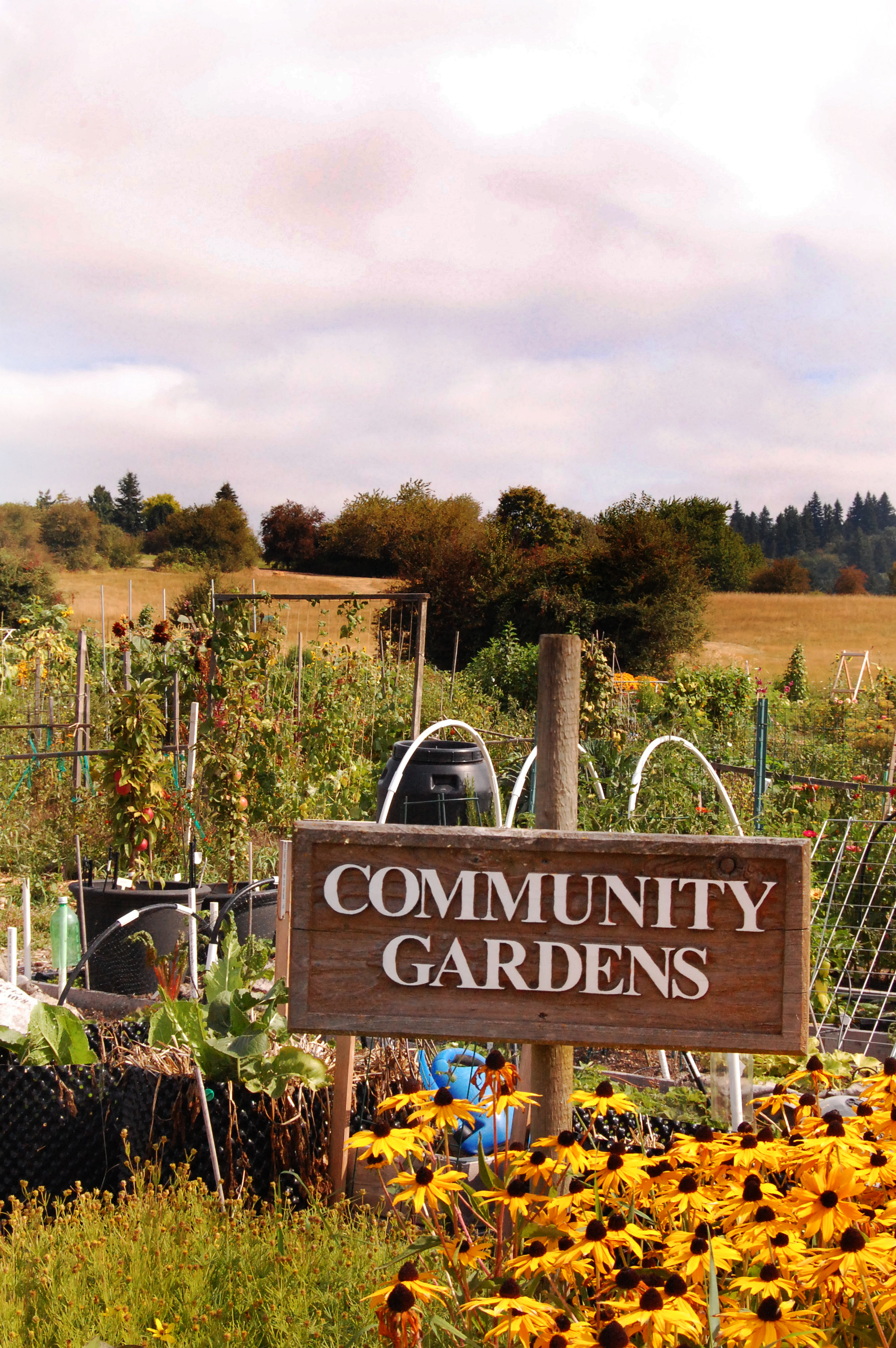
Community Gardens: Cultivating Health and Connection
Introduction
In recent years, community gardens have gained popularity as a way to promote healthy eating, connect people with their food sources, and foster a sense of community. These shared green spaces provide individuals with the opportunity to grow their own fruits, vegetables, and herbs in a communal setting. Not only do community gardens contribute to improved nutrition and physical health, but they also offer numerous social and environmental benefits. In this article, we will explore the many advantages of community gardens and delve into how they can positively impact individuals and communities.
Improved Access to Fresh Produce
One of the most significant advantages of community gardens is that they increase access to fresh produce for individuals who may not have easy access otherwise. In many urban areas, so-called “food deserts” exist where residents lack affordable options for obtaining fresh fruits and vegetables. By establishing community gardens within these neighborhoods, local residents can take charge of their own food production.
These shared plots allow participants to grow an array of nutritious foods right in their backyards or nearby vacant lots. The produce grown in these gardens includes various seasonal fruits like tomatoes, cucumbers, peppers as well as leafy greens such as spinach or kale. This increased availability of fresh produce contributes directly to healthier diets among participants.
Promoting Physical Health
Engaging in gardening activities has been associated with several physical health benefits. Working in the garden provides an opportunity for regular physical activity that incorporates both cardiovascular exercise through digging or raking soil and strength training when lifting bags or watering cans.
Moreover, studies have shown that spending time outdoors surrounded by plants can reduce stress levels while improving overall mental well-being. Community gardeners often experience a sense of accomplishment as they watch their plants grow from tiny seeds into flourishing crops – which boosts self-esteem further contributing to overall mental wellness.
Educational Opportunities
Community gardens serve as outdoor classrooms where people young and old can learn about agriculture, sustainable practices, and nutrition. These spaces offer a hands-on learning experience that can be valuable for both children and adults alike.
Children who participate in community gardens gain an understanding of where their food comes from and develop an appreciation for the natural world around them. They learn about the basic needs of plants, the importance of soil health, and the role of pollinators like bees in plant reproduction. In addition to these scientific concepts, they also learn about responsibility and teamwork by working collectively with others.
Community gardens provide a platform for workshops, seminars, and gardening classes where people can expand their knowledge on topics such as composting techniques or organic pest control. This educational component allows individuals to grow not just food but also their understanding of sustainable agricultural practices.
Social Cohesion and Community Building
Beyond promoting physical health and education, community gardens foster social cohesion by bringing together diverse groups within a neighborhood or community. As participants work side by side tending to their plots, they form connections with one another based on shared interests and common goals.
Community gardeners often engage in conversations while planting seeds or exchanging gardening tips which builds relationships between neighbors who may have otherwise never interacted. The sense of camaraderie that develops creates a supportive network where individuals not only share gardening knowledge but also lend a helping hand during times when assistance is needed.
These shared green spaces become meeting places where residents gather regularly for events like harvest festivals or potluck meals using ingredients grown within the garden itself. These communal activities strengthen bonds between participants while encouraging healthy eating habits through sharing recipes made from fresh produce harvested onsite.
Environmental Benefits
In addition to personal health benefits, community gardens contribute positively to the environment at large. By transforming vacant lots into lush green spaces filled with vegetation, these gardens enhance urban biodiversity while improving air quality.
Plants absorb carbon dioxide through photosynthesis while releasing oxygen into the atmosphere – thereby acting as natural air purifiers. The presence of trees within community gardens also provides shade, reducing the urban heat island effect that is common in densely populated areas.
Moreover, community gardens often adopt sustainable practices such as composting kitchen scraps and using rainwater harvesting techniques. These initiatives reduce waste sent to landfills while conserving water resources.
Conclusion
Community gardens offer a multitude of benefits both on an individual level and within communities. From improved access to fresh produce and increased physical activity to education opportunities and social cohesion, these shared green spaces have the power to transform neighborhoods.
By bringing people together around a common goal of growing their own food, community gardens not only promote healthier eating habits but also create platforms for learning, sharing knowledge, and building stronger communities. Additionally, these green spaces contribute to environmental sustainability by enhancing biodiversity and reducing carbon emissions.
Whether you are interested in gardening yourself or simply support the concept of community gardens, it is clear that they play a vital role in cultivating health and connection within our modern society.

Leave a Reply