Introduction:
Welcome to our panel discussion on the healthy eating habits of Italy. Italy is renowned for its delicious cuisine, rich in fresh ingredients and bold flavors. With a strong emphasis on quality over quantity, Italian food has become synonymous with healthy eating. Today, we have gathered a group of experts who will shed light on why the Mediterranean diet followed by Italians is considered one of the healthiest in the world.
Panelists:
1. Dr. Maria Rossi – Nutritionist
2. Chef Giuseppe Conti – Italian culinary expert
3. Sophia Bianchi – Food blogger and enthusiast
Moderator: Let’s start by discussing what constitutes the Mediterranean diet and how it promotes good health.
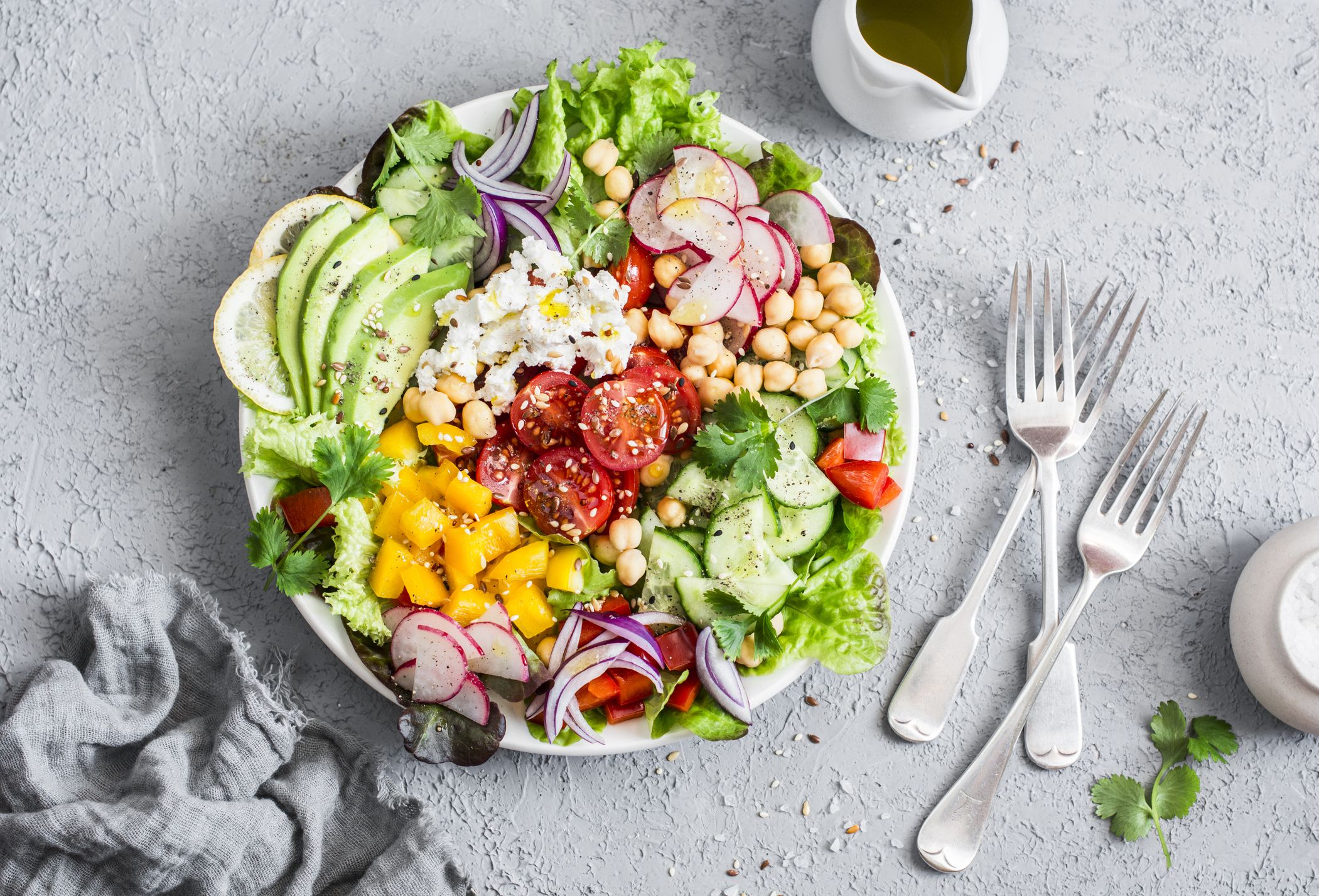
Dr. Rossi: The Mediterranean diet consists mainly of fruits, vegetables, whole grains, legumes, nuts, olive oil as the primary source of fat, moderate amounts of fish and poultry, low consumption of red meat and dairy products like cheese or yogurt. This dietary pattern is high in antioxidants, fiber-rich foods while being low in saturated fats.
Sophia Bianchi: Exactly! The emphasis on fresh produce ensures that Italians consume a wide variety of micronutrients essential for overall health benefits.
Chef Conti: Additionally, traditional cooking techniques such as grilling or poaching help retain nutrients without adding excessive calories from oil or butter.
Moderator: That brings us to another key aspect – portion control. How does this play into Italian eating habits?
Chef Conti: Portion sizes are modest but satisfying in Italy compared to other countries where super-sized portions are common. By focusing on smaller servings and savoring each bite slowly without rushing through meals allows individuals to feel satiated while consuming fewer calories.
Dr. Rossi: Furthermore, Italians tend to enjoy their largest meal during lunchtime rather than dinner when they have more time for digestion throughout the day.
Sophia Bianchi: It’s also important to note that Italians prioritize family meals together. This communal dining experience encourages mindful eating and fosters a healthier relationship with food.
Moderator: Let’s talk about the abundance of fresh, seasonal ingredients in Italian cuisine. What role does this play in promoting health?
Sophia Bianchi: In Italy, there is a strong connection to locally sourced and seasonal produce. Eating what’s available during different times of the year ensures a diverse range of nutrients while supporting local farmers and reducing carbon footprints.
Chef Conti: Absolutely! Italians have an incredible appreciation for the quality and taste of fresh ingredients. By using simple cooking methods that showcase natural flavors, they avoid relying on heavy sauces or excessive seasoning.
Dr. Rossi: The Mediterranean diet’s reliance on fruits, vegetables, legumes, whole grains, and healthy fats provides essential vitamins, minerals, antioxidants, and fiber necessary for good health.
Moderator: Olive oil is a staple ingredient in Italian cuisine. What sets it apart from other oils?
Dr. Rossi: Olive oil is rich in monounsaturated fatty acids (MUFAs) which are known to be heart-healthy fats that help reduce bad cholesterol levels when used in moderation as part of a balanced diet.
Sophia Bianchi: It’s important to remember that olive oil should be used as dressing or for light sautéing rather than deep frying to maintain its nutritional benefits.
Chef Conti: And let’s not forget about the regional diversity within Italy itself! Each region has its own unique culinary traditions based on local produce and specialties – from sun-drenched tomatoes in Southern Italy to hearty mushrooms found in the North. This variety ensures access to a wide range of nutrients throughout the country.
Moderator: Italian cuisine also includes pasta as one of its main components. How can pasta fit into a healthy eating plan?
Dr. Rossi: Pasta doesn’t have to be demonized when consumed responsibly within portion control guidelines. Traditional Italian pasta dishes focus more on flavorings like fresh tomatoes, herbs, vegetables, and lean proteins rather than heavy cream or cheese-based sauces.
Sophia Bianchi: Whole wheat or whole grain pasta options are becoming increasingly popular in Italy. These alternatives offer higher fiber content while maintaining the classic taste and texture of traditional pasta.
Chef Conti: And let’s not forget about the importance of balance. Italians often pair their pasta dishes with a salad or vegetable-based appetizers to create a well-rounded meal.
Moderator: Finally, how can we adopt some Italian eating habits into our own lifestyles?
Sophia Bianchi: Start by incorporating more fruits and vegetables into your diet. Aim for at least five servings per day and make them the star of your plate.
Dr. Rossi: Experiment with Mediterranean flavors such as using olive oil instead of butter when cooking or preparing simple salads dressed with lemon juice and herbs for added freshness.
Chef Conti: Embrace homemade meals that allow you to control ingredients, portion sizes, and flavor profiles. This also gives you an opportunity to gather friends and family around the table to enjoy good food together.
Conclusion:
The healthy eating habits observed in Italy stem from a combination of fresh ingredients, portion control, mindful eating practices, and a focus on local produce. The Mediterranean diet followed by Italians provides numerous health benefits due to its emphasis on nutrient-dense foods while still allowing room for enjoyment. By adopting some of these Italian habits into our own lives, we can move towards a healthier lifestyle filled with delicious flavors that nourish both body and soul.

Leave a Reply