Introduction:
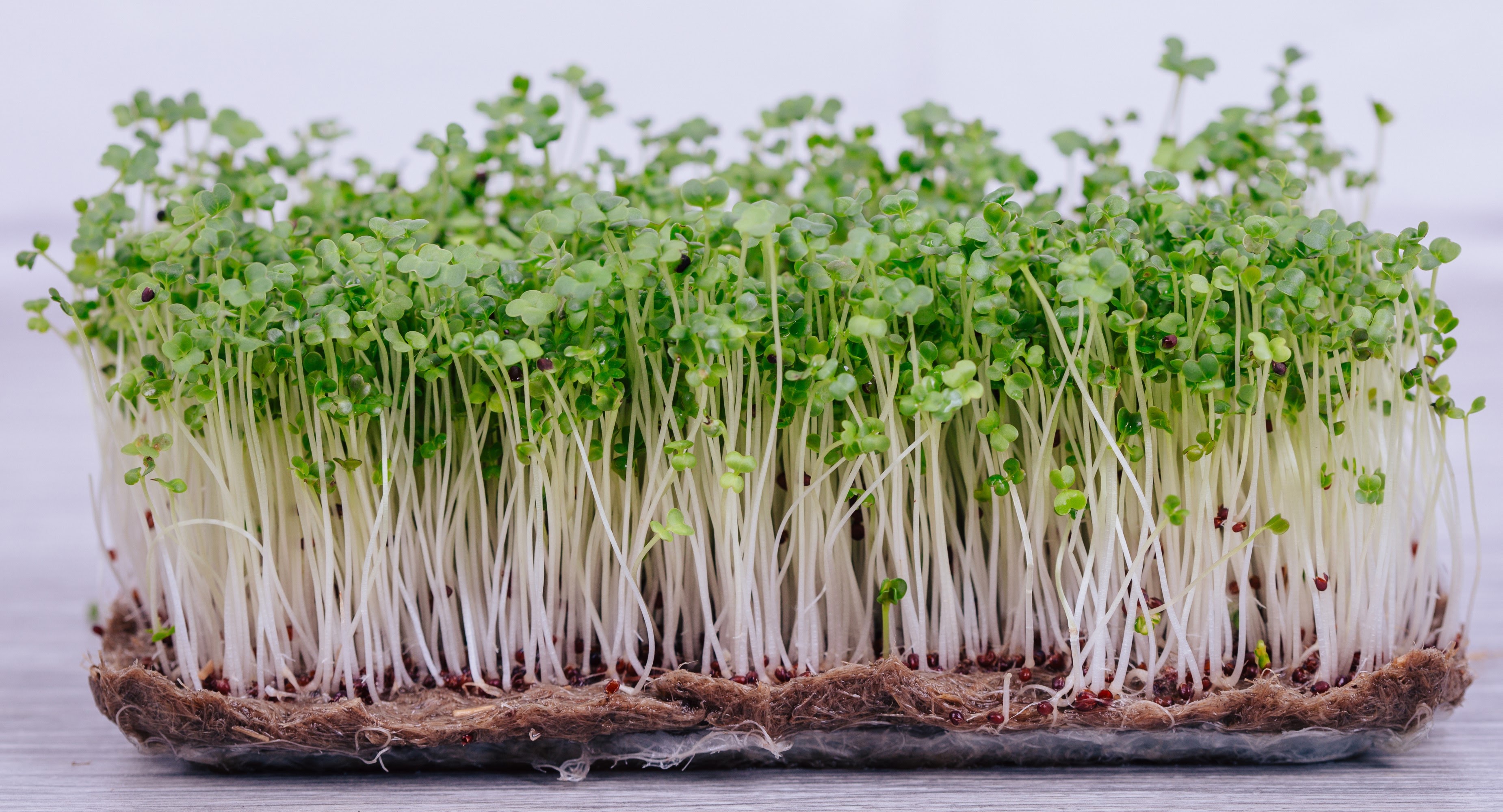
Microgreens have gained immense popularity in recent years due to their high nutritional value and versatility in culinary creations. These tiny edible plants are packed with vitamins, minerals, and antioxidants, making them an excellent addition to any healthy diet. Growing microgreens at home is not only satisfying but also allows you to enjoy the freshest greens possible. However, there are a few common mistakes that beginners often make when cultivating these delicate sprouts. In this article, we will discuss some of these mistakes and provide valuable tips on how to avoid them for successful microgreen cultivation.
1. Overwatering:
One of the most common mistakes beginners make when growing microgreens is overwatering. While it’s important to keep the soil moist during germination and growth stages, excessive watering can lead to root rot or mold formation. To avoid this issue, ensure that your growing medium drains well by using a mix of soilless seed-starting mix or coco coir with perlite or vermiculite. Water your microgreens sparingly by misting the surface lightly once or twice a day until they develop true leaves.
2. Poor air circulation:
Insufficient air circulation around your microgreens can create a humid environment conducive to fungal diseases like damping-off or powdery mildew. To prevent such problems, place a small fan near your growing trays on low speed or use an oscillating fan in the room where you grow your microgreens. This gentle breeze will improve airflow and help strengthen the stems of your plants.
3. Using low-quality seeds:
The quality of seeds greatly influences the success of your microgreen harvests. Always choose reputable suppliers who specialize in organic and non-GMO seeds specifically meant for growing microgreens. Avoid using old or expired seeds as they may have reduced viability rates resulting in poor germination rates and stunted growth.
4. Insufficient light:
Proper lighting is essential for healthy photosynthesis and strong microgreen growth. Inadequate light can lead to spindly plants with pale leaves or elongated stems. Place your trays near a south-facing window or invest in full-spectrum grow lights that provide the necessary intensity and spectrum for optimal plant development. Position the lights 2-4 inches above the microgreens and adjust their height as the plants grow.
5. Crowding seeds:
Overcrowding your growing trays is a common mistake that can hinder healthy growth and increase the risk of diseases. It’s important to spread out your seeds evenly so each plant has enough space to develop properly. Follow seed packet instructions regarding recommended spacing, usually around 1/4 to 1/2 inch apart, depending on the variety.
6. Neglecting proper sanitation:
Maintaining cleanliness is crucial when growing microgreens because they are vulnerable to various pathogens and pests. Always use clean containers, trays, and utensils while handling seeds or soilless mixes. Disinfect your trays with a mild bleach solution before sowing new crops, which helps kill any remaining bacteria or fungi from previous harvests.
7. Harvesting at the wrong time:
Timing is everything when it comes to harvesting microgreens. Harvest too early, and you’ll end up with underdeveloped sprouts; wait too long, and they may become tough or bitter-tasting. Most microgreens are ready for harvest when their first true leaves appear (around 10-14 days after sowing). Use sharp scissors or kitchen shears to cut them just above soil level.
8. Storing improperly:
To preserve freshness and maximize shelf life, it’s essential to store harvested microgreens correctly. After harvesting, gently rinse them in cold water if needed and pat them dry using paper towels or a salad spinner before transferring them into airtight containers lined with damp paper towels or cloth napkins inside your refrigerator’s vegetable crisper drawer.
Conclusion:
By avoiding these common mistakes, you can ensure successful microgreen cultivation and enjoy a fresh supply of nutrient-packed greens throughout the year. Remember to pay attention to proper watering, provide adequate ventilation, use high-quality seeds, optimize lighting conditions, avoid overcrowding, maintain cleanliness, harvest at the right time, and store your microgreens properly. With a little patience and care, growing microgreens can be an enjoyable and rewarding experience that adds vibrant flavors and nutritional value to your meals.

Leave a Reply