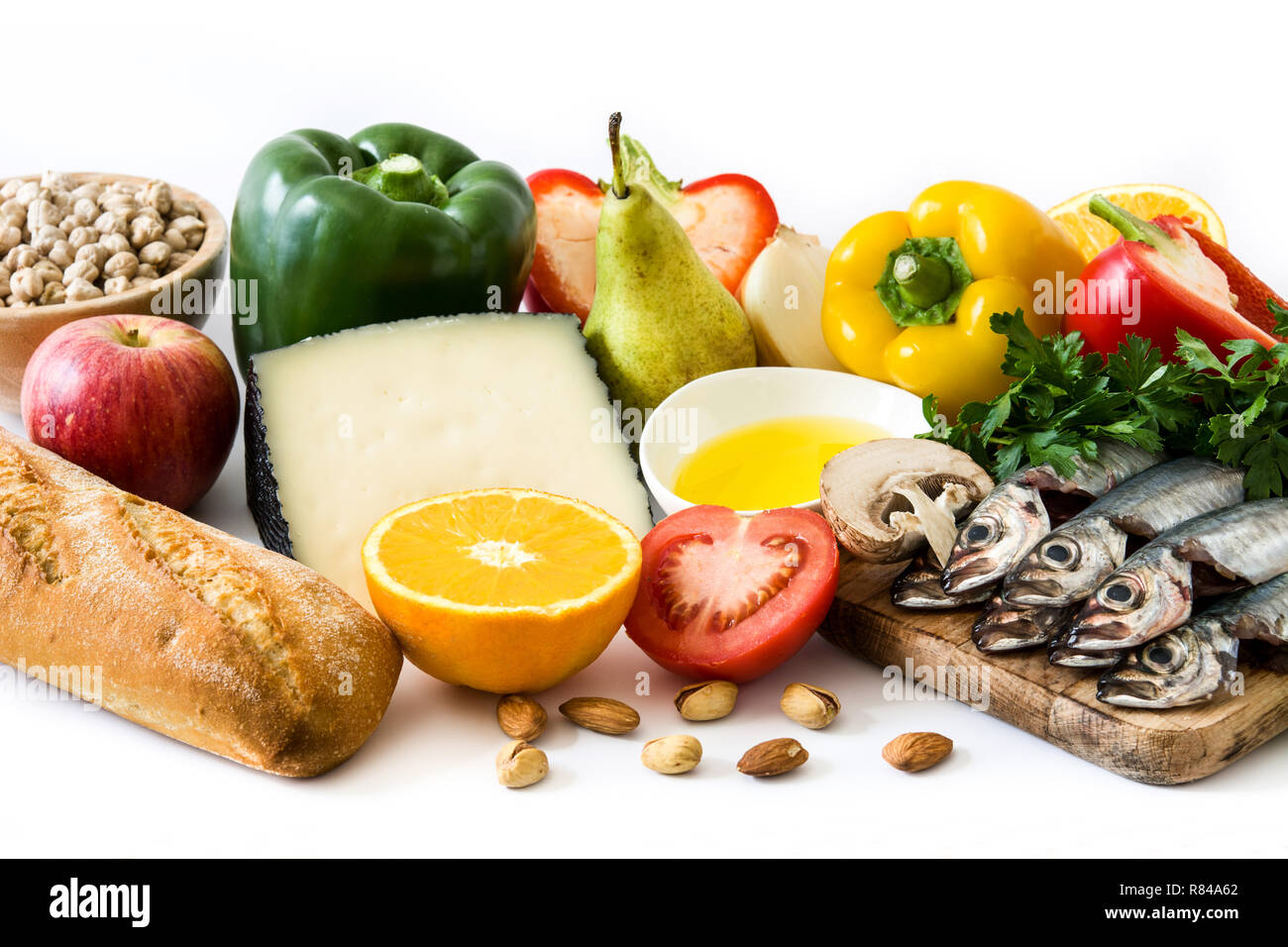
The Mediterranean diet has gained popularity in recent years for its numerous health benefits. Not only does it contribute to weight loss and cardiovascular health, but it is also known to boost the immune system. With a focus on fresh fruits and vegetables, whole grains, lean proteins, and healthy fats, this diet provides essential nutrients that help strengthen our body’s defense mechanisms.
One of the key components of the Mediterranean diet is consuming a variety of colorful fruits and vegetables. These plant-based foods are rich in vitamins, minerals, antioxidants, and fiber that play a crucial role in supporting our immune system. Citrus fruits like oranges and lemons are packed with vitamin C while leafy greens such as spinach and kale provide an abundance of vitamins A, C, E, and K. Additionally, tomatoes contain lycopene which has been shown to have immune-boosting properties.
Another important aspect of this diet is the consumption of whole grains. Whole grains like quinoa, brown rice, oats, and whole wheat bread are high in fiber and rich in antioxidants that promote gut health. A healthy gut microbiome is essential for a well-functioning immune system as approximately 70% of our immune cells reside in our gut.
Lean proteins such as fish (especially fatty fish like salmon), poultry without skin or visible fat, beans/legumes (such as chickpeas or lentils), nuts/seeds (like almonds or chia seeds), and low-fat dairy products are also prominent features of the Mediterranean diet. These protein sources offer various beneficial nutrients including zinc which helps produce new immune cells.
Healthy fats found in olive oil – a staple ingredient in Mediterranean cuisine – can enhance our body’s ability to absorb fat-soluble vitamins like vitamins A,D,E,and K thus strengthening immunity further. Other sources include avocados,nuts,and seeds which provide monounsaturated fats along with omega-3 fatty acids known for their anti-inflammatory effects.
In addition to the specific food choices, the Mediterranean diet encourages certain eating habits that also contribute to immune health. One of these habits is consuming meals with family and friends, promoting a positive social environment during mealtime. This has been shown to reduce stress levels which can have a detrimental effect on our immune system.
Another key aspect of the Mediterranean lifestyle is regular physical activity. Engaging in exercise helps maintain a healthy weight and supports overall well-being, including a strong immune response. It is recommended to incorporate at least 150 minutes of moderate-intensity aerobic activity or 75 minutes of vigorous-intensity aerobic activity per week along with muscle-strengthening activities twice a week.
Lastly, while not directly related to food choices or eating habits, it’s important to mention that the Mediterranean diet emphasizes moderation when it comes to alcohol consumption. A glass of red wine per day (for those who choose to drink alcohol) has been associated with certain health benefits due to its antioxidant properties.
In conclusion, adopting a Mediterranean diet can significantly boost your immunity by providing essential nutrients that support your body’s defense mechanisms. Including an array of colorful fruits and vegetables, whole grains, lean proteins, healthy fats like olive oil, practicing mindful eating habits, engaging in regular physical activity,and moderating alcohol intake are all integral parts of this dietary pattern. By incorporating these elements into your lifestyle,you can strengthen your immune system and improve overall health for years to come.

Leave a Reply