Mental health is an essential aspect of overall well-being, and it plays a significant role in our daily lives. According to recent statistics, mental health disorders affect one in four people globally. These disorders can range from anxiety and depression to more severe conditions like bipolar disorder and schizophrenia.
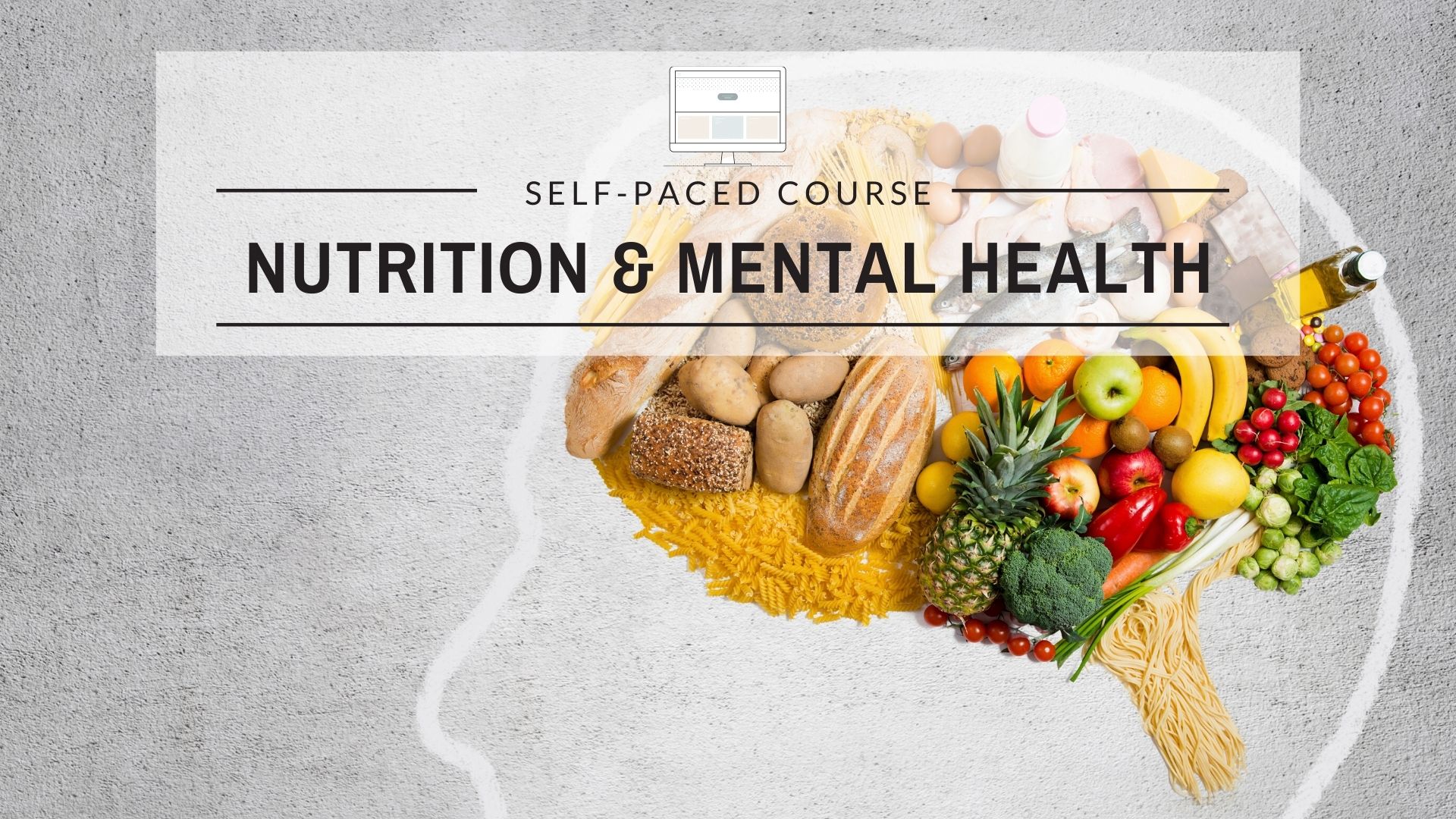
One crucial factor that influences mental health is nutrition. Studies have shown a strong connection between what we eat and how we feel. A healthy diet rich in fruits, vegetables, whole grains, lean proteins, and omega-3 fatty acids can promote good mental health. On the other hand, a diet high in processed foods, sugar, and unhealthy fats has been linked to an increased risk of mental health issues.
Additionally, regular physical activity has been proven to have positive effects on mental well-being by reducing symptoms of depression and anxiety. Engaging in activities such as yoga or meditation can also help manage stress levels.
It’s important to be aware of the signs of poor mental health so that early intervention can be sought if necessary. Common indicators include changes in sleep patterns, appetite disturbances, mood swings, social withdrawal, difficulty concentrating or making decisions.
Seeking support from professionals like therapists or counselors is crucial for those struggling with their mental health. Remember that reaching out for help is a sign of strength rather than weakness.
In conclusion, prioritizing our mental well-being is just as important as taking care of our physical health. By adopting healthy eating habits and incorporating regular exercise into our routines while seeking professional support when needed will contribute greatly to maintaining optimal mental wellness.

Leave a Reply