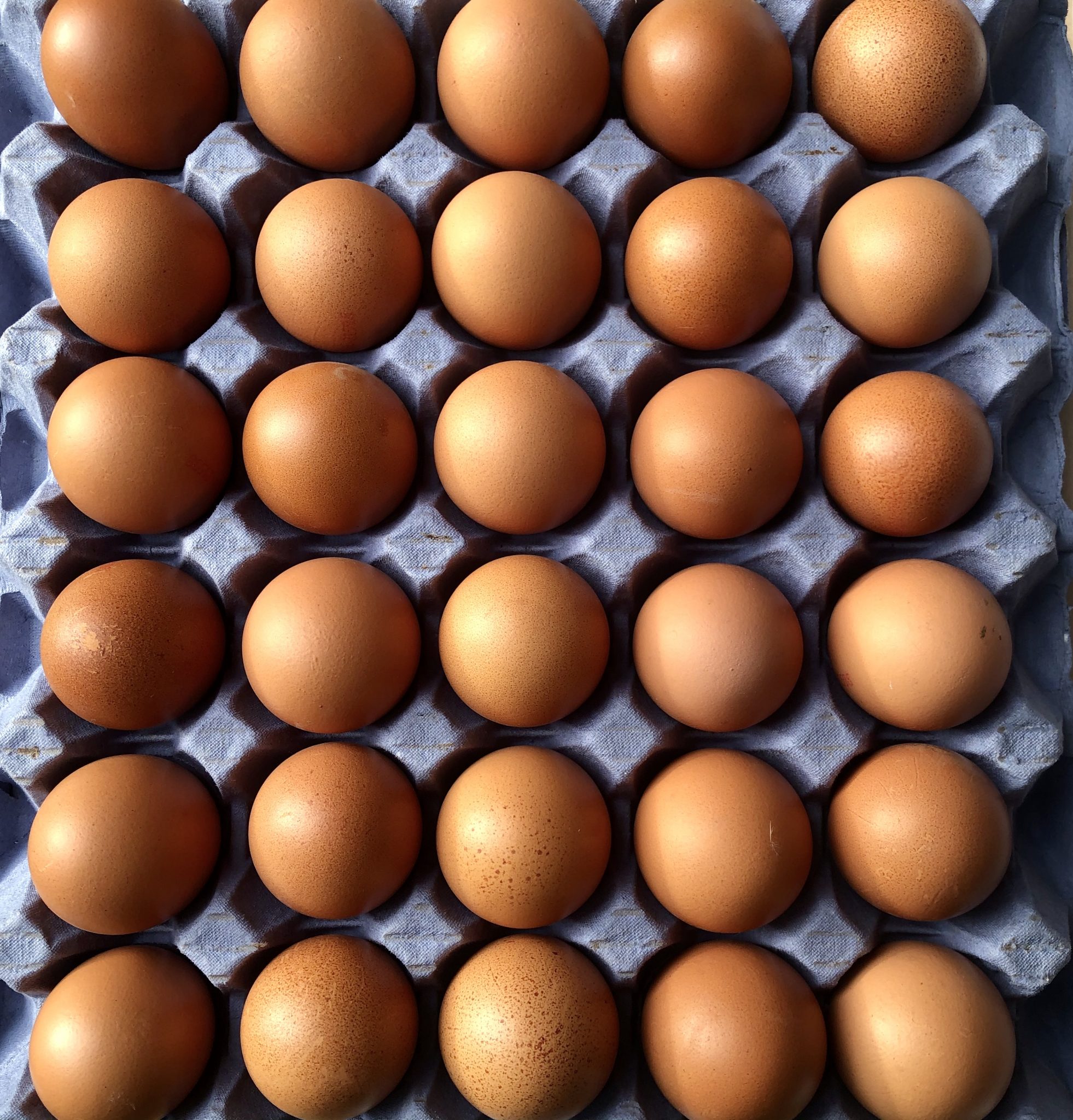
Free-Range Eggs: Are They Really Worth the Extra Cluck?
In recent years, consumers have become increasingly concerned about the welfare of egg-laying hens. Many people are now opting for free-range eggs in an effort to support more humane farming practices. But what exactly does “free-range” mean? And are these eggs really all they’re cracked up to be? In this article, we’ll dive deep into the world of free-range egg labeling and certifications to help you make an informed decision.
Let’s start by debunking a common misconception – free-range doesn’t necessarily mean chickens roam around vast green pastures with unlimited freedom. The term “free-range” is loosely defined and can vary depending on where you live. In general, it implies that hens have some access to outdoor areas rather than being confined indoors their entire lives.
However, the amount of time spent outdoors can vary greatly between farms. Some operations may provide ample space for chickens to roam freely during daylight hours, while others may only offer a small door leading to a tiny yard or even just a concrete slab outside their cramped barns.
To add further confusion, there are various certifications and labeling systems claiming to ensure better standards for free-range eggs. One such certification is the Certified Humane label from Humane Farm Animal Care (HFAC). This label indicates that hens have continuous access to the outdoors during daylight hours but doesn’t specify how much outdoor space each bird should have.
Another commonly seen certification is USDA Organic. While this label guarantees that hens receive organic feed without pesticides or antibiotics, it does not guarantee any specific outdoor access requirements beyond what conventional caged hens receive – which may be no access at all!
The issue becomes even murkier when we consider terms like “pasture-raised” or “pastured.” Although often used interchangeably with “free-range,” pasture-raised goes beyond simply having limited outdoor access. It implies that chickens spend a significant amount of time outdoors, foraging on grass and insects, rather than being confined indoors.
However, unlike the term free-range, pasture-raised is not regulated by any official certification or labeling system. This means that producers can label their eggs as “pasture-raised” without adhering to any specific standards or requirements. While some genuinely pasture-raised eggs may be available, it’s important to scrutinize the producer’s claims and consider seeking local sources where you can personally verify farming practices.
So why should consumers even bother with free-range or pasture-raised eggs? Well, there are a few potential advantages worth exploring.
Firstly, hens that have access to the outdoors tend to have a more varied diet. They can graze on grass and peck at insects – natural foods that enrich their nutrition profile and potentially enhance the taste of their eggs compared to those from conventionally raised hens.
Secondly, supporting farms that provide better living conditions for animals sends a message to the industry about consumer preferences. By choosing ethical alternatives like free-range or pasture-raised eggs, we encourage farmers to prioritize animal welfare and move away from intensive confinement systems.
Lastly, studies suggest that free-range eggs may contain higher levels of certain nutrients like omega-3 fatty acids compared to conventional caged eggs. However, it’s essential not to rely solely on egg consumption for these nutrients; incorporating other dietary sources such as fish or flaxseeds is still recommended for optimal intake.
Ultimately, when deciding whether free-range or pasture-raised eggs are worth your buck (or cluck), consider factors beyond just labeling. Seek out local farmers’ markets where you can speak directly with producers about their farming practices. Visit farms if possible – this firsthand experience will give you valuable insights into how hens are cared for and allow you peace of mind in knowing exactly where your food comes from.
Furthermore, don’t overlook the importance of supporting small-scale, local farmers who may not have official certifications but prioritize animal welfare. These operations often face financial constraints that prevent them from obtaining costly certifications, even though their farming practices align with or surpass those of certified farms.
In conclusion, while the labeling and certification system for free-range eggs can be confusing, it’s still worth considering these alternatives to support more humane farming practices. However, remember that labels alone are not a guarantee of higher quality or better living conditions for hens. Explore local options whenever possible and engage directly with producers to ensure you’re making an informed choice – because when it comes to ethical food choices, every cluck counts!

Leave a Reply