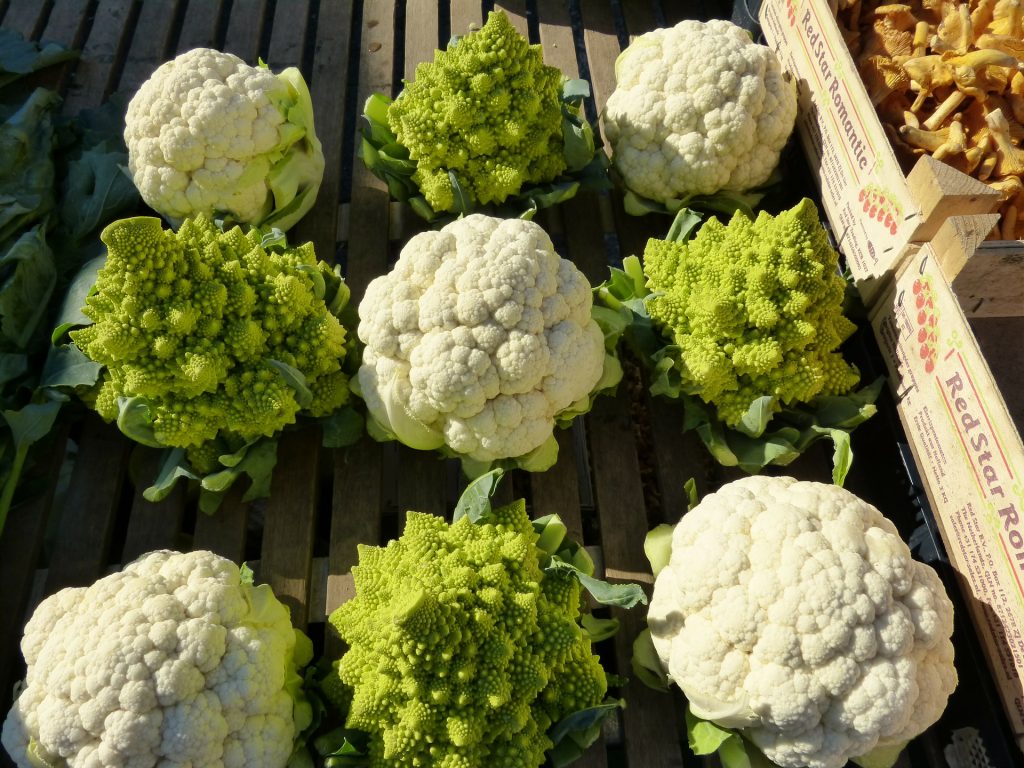
Growing your own cauliflower at home can be a rewarding and cost-effective way to enjoy the popular trend of cauliflower rice. Not only does it provide you with a fresh and nutritious ingredient for your meals, but it also offers several financial benefits that can help you save money in the long run.
1. Reduced grocery expenses: By growing your own cauliflower, you eliminate the need to purchase it from the grocery store regularly. Cauliflower rice has gained popularity as a healthy alternative to traditional rice, leading to increased demand and higher prices at supermarkets. By having a steady supply from your garden, you can significantly cut down on this expense.
2. Lower food waste: When buying cauliflower from the store, we often end up with more than we actually need for our recipes. This excess cauliflower may go bad before we get around to using it all, resulting in unnecessary food waste. By growing your own cauliflower, you have better control over the quantity harvested, reducing waste and saving money.
3. Year-round availability: Growing your own cauliflowers allows you to extend their availability beyond what is typically found in stores during specific seasons or months. With careful planning and proper cultivation techniques, you can have fresh cauliflower year-round without relying on pricey imported produce during off-seasons.
4. Cost savings on organic options: Organic produce usually comes with a higher price tag compared to conventionally grown vegetables due to the additional labor and resources required for organic farming practices. However, by cultivating your own cauliflower using organic methods at home, you can enjoy pesticide-free produce without paying premium prices.
5. Potential for sharing or selling surplus: If successful in growing an abundant harvest of cauliflowers, there may come a point where even after personal consumption and preservation efforts like freezing or pickling, there is still surplus left over. This surplus gives rise to opportunities for bartering with neighbors who might grow other vegetables or selling them locally at farmers’ markets or through community-supported agriculture initiatives, providing an additional source of income or trade.
6. Learning a valuable skill: Growing cauliflower at home allows you to develop gardening skills that can be applied to other fruits and vegetables as well. This newfound knowledge can lead to further cost savings by expanding your home garden and reducing reliance on store-bought produce overall.
7. Health benefits and potential medical savings: Cauliflower is a nutrient-dense vegetable rich in vitamins C, K, and B6, fiber, choline, antioxidants, and more. Incorporating it into your diet regularly can support overall health and potentially reduce the risk of chronic diseases. By growing your own cauliflower for making cauliflower rice, you have better control over its quality and freshness while potentially saving money on future medical expenses.
In conclusion, growing your own cauliflower for making cauliflower rice offers numerous financial benefits that go beyond just having access to fresh ingredients. From reducing grocery expenses and food waste to enjoying year-round availability without relying on expensive imports or organic options from stores – cultivating cauliflowers at home not only saves money but also provides opportunities for sharing or selling surplus harvests while promoting healthier eating habits. So why not give it a try? Start small with a few plants in your backyard or balcony garden and enjoy the taste of homemade cauliflower rice while reaping these financial rewards.

Leave a Reply