Harvesting Techniques: A Comprehensive Guide to Maximizing Freshness and Flavor
When it comes to healthy eating, there’s nothing quite like the taste of freshly harvested produce. Whether you’re growing your own fruits and vegetables or purchasing them from local farmers’ markets, understanding proper harvesting techniques is essential to ensuring optimal freshness and flavor in your meals. In this comprehensive guide, we will explore various methods for harvesting different types of crops, offering helpful tips along the way.
1. Leafy Greens:
Leafy greens such as lettuce, spinach, kale, and Swiss chard are best harvested when they reach their peak size but before they start flowering or bolting. For loose-leaf varieties like lettuce, simply pick individual leaves from the outer part of the plant while leaving the inner ones intact for further growth. With head-forming greens such as cabbage or romaine lettuce, cut the entire head just above ground level using a sharp knife.
2. Root Vegetables:
Root vegetables like carrots, beets, radishes, and potatoes store most of their energy underground in their roots. Harvest them by gently loosening the soil around each plant with a garden fork or spade before pulling them out carefully by hand. Take care not to damage any neighboring plants during this process.
3. Fruiting Vegetables:
Tomatoes, cucumbers, peppers, eggplants – these are all examples of fruiting vegetables that require special attention during harvest time. It’s crucial to let these crops fully ripen on the vine for maximum flavor development. When harvesting tomatoes or peppers at their peak ripeness stage (usually when they have reached full color), use scissors or pruning shears to gently remove them from the plant without causing any damage.
For cucumbers and zucchini-type squash that are typically harvested when young and tender for better taste and texture – cut them off with a sharp knife rather than pulling them which may cause damage to the vine. Regularly harvesting these vegetables promotes continuous production throughout the growing season.
4. Herbs:
Herbs are a delightful addition to any dish, and their flavors are best when freshly harvested. To harvest herbs such as basil, mint, parsley, or cilantro, simply snip off individual leaves or sprigs from the outer parts of the plant using clean scissors or pruning shears. Be sure not to remove more than one-third of the plant at any given time to allow for regrowth.
5. Tree Fruits:
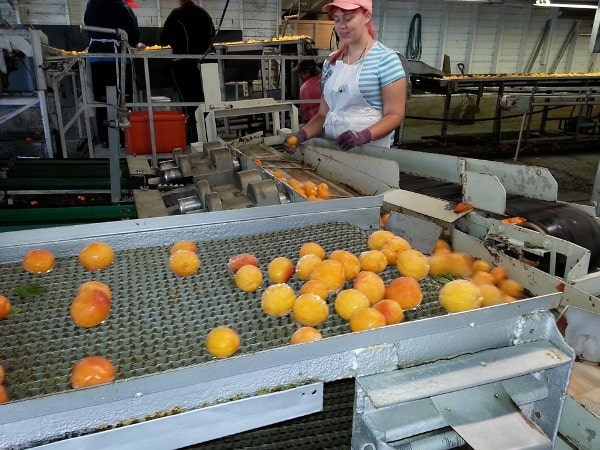
Tree fruits like apples, peaches, plums, and pears should be harvested when they have reached full maturity but before they become overripe and start falling off on their own. Each fruit variety has its specific signs of ripeness – color change, ease of separation from the tree with a gentle twist or tug – so it’s essential to research and understand these indicators beforehand.
When picking tree fruits such as apples or pears, hold them gently in your hand and give them a slight twist while lifting upwards; if they come off easily without much effort, they are ready for harvest. Handle them with care to avoid bruising during this process.
6. Berries:
Berries like strawberries, raspberries, blueberries, and blackberries are delicate fruits that require careful handling during harvest to preserve their shape and flavor. These small wonders should be picked when fully ripe – vibrant in color with a firm yet juicy texture.
To pick berries correctly without damaging nearby plants or squishing the fruit itself, hold each stem near its base between your thumb and index finger then gently pull until it releases from its attachment point without pulling too hard that you detach other stems unintentionally.
7. Grains:
Harvesting grains such as wheat or barley requires some additional steps compared to other crops mentioned previously. When growing grains for cereal grains (like oats) or whole-grain flour purposes (like wheat), wait for the plants to turn golden and the seed heads to droop before harvest.
Timing is crucial as harvesting too early can result in underdeveloped seeds, while harvesting too late may lead to shattering or loss of grains. Use a scythe or sickle to cut the stalks close to the ground and gather them into bundles for drying.
By implementing these proper harvesting techniques, you can ensure that your fruits, vegetables, and herbs are at their peak freshness when it’s time to enjoy them. Remember that harvesting methods may vary depending on climate, growing conditions, and crop varieties. Always follow specific guidelines provided by experts or local agricultural extension offices for optimal results. So go ahead and savor nature’s bounty with confidence!

Leave a Reply