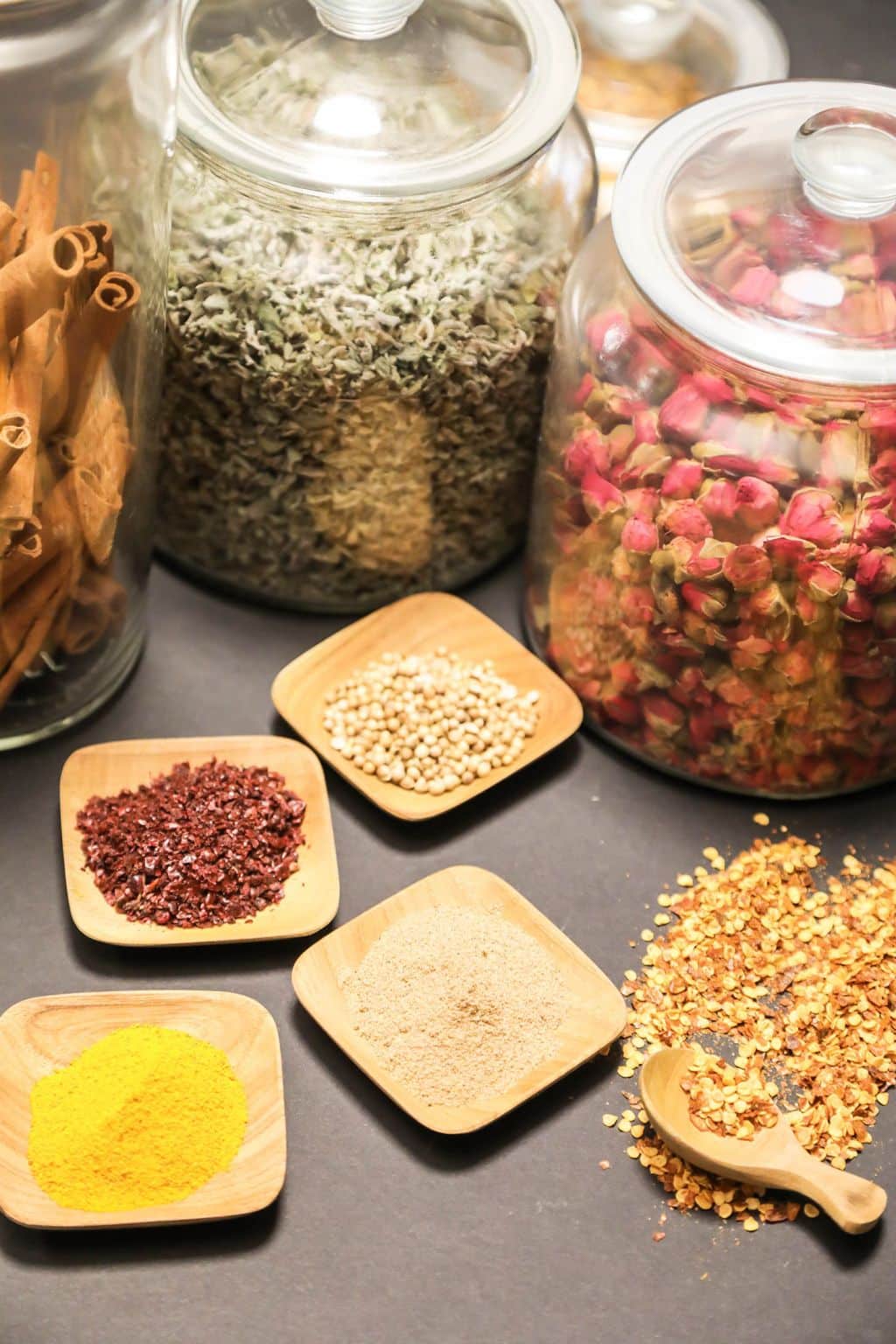
Middle Eastern cuisine is known for its rich and aromatic flavors, but it doesn’t always have to be heavy on calories. By incorporating some traditional Middle Eastern ingredients into your low-calorie cooking, you can add a burst of flavor without compromising on healthiness. Here are 10 Middle Eastern flavors that will spice up your low-calorie meals:
1. Sumac: This tangy red spice adds a citrusy punch to salads, roasted vegetables, and grilled meats.
2. Za’atar: A blend of thyme, sesame seeds, sumac, and salt, za’atar is perfect for seasoning chicken or sprinkling over hummus.
3. Pomegranate molasses: Made from reduced pomegranate juice, this sweet yet tart syrup is great in salad dressings or drizzled over roasted veggies.
4. Harissa: A fiery chili paste made with peppers and spices like cumin and coriander; use it sparingly to add heat to stews or marinades.
5. Dill: This herb is commonly used in Persian cuisine to brighten up dishes like yogurt-based dips or fish recipes.
6. Cinnamon: Widely used in Middle Eastern desserts, cinnamon can also enhance savory dishes like Moroccan tagines or lentil soups.
7. Tahini: Made from ground sesame seeds, tahini is a creamy addition to dressings and sauces that provides a nutty flavor.
8. Saffron: Although expensive, a little goes a long way with saffron – use it sparingly in rice dishes or desserts for an exotic touch.
9. Turmeric: Known for its vibrant yellow color and earthy taste, turmeric pairs well with roasted vegetables or as part of a marinade for chicken or fish.
10. Mint: Refreshing and cooling mint leaves are often used in drinks like Moroccan tea but can also liven up grain salads or fruit salsas.
By incorporating these Middle Eastern flavors into your low-calorie cooking, you can enjoy a diverse range of delicious and healthy meals. Experiment with these ingredients to create flavorful dishes that will transport your taste buds to the exotic lands of the Middle East.

Leave a Reply