Chickpeas, also known as garbanzo beans, are a versatile and nutritious legume that can be incorporated into a variety of dishes. One popular way to enjoy chickpeas is by making homemade hummus or falafel. While these dishes are already delicious on their own, there are several tempering techniques you can use to enhance the taste and texture even further.
Firstly, let’s talk about roasting. Roasting chickpeas not only adds a wonderful crunch but also intensifies their natural nutty flavor. To roast chickpeas for hummus or salad toppings, simply toss them in olive oil and seasoning of your choice (such as cumin, paprika, or chili powder), spread them out on a baking sheet, and bake at around 400°F (200°C) for 20-30 minutes until they turn golden brown. The roasted chickpeas can be enjoyed as a healthy snack on their own or used to add an extra layer of texture to your favorite dishes.
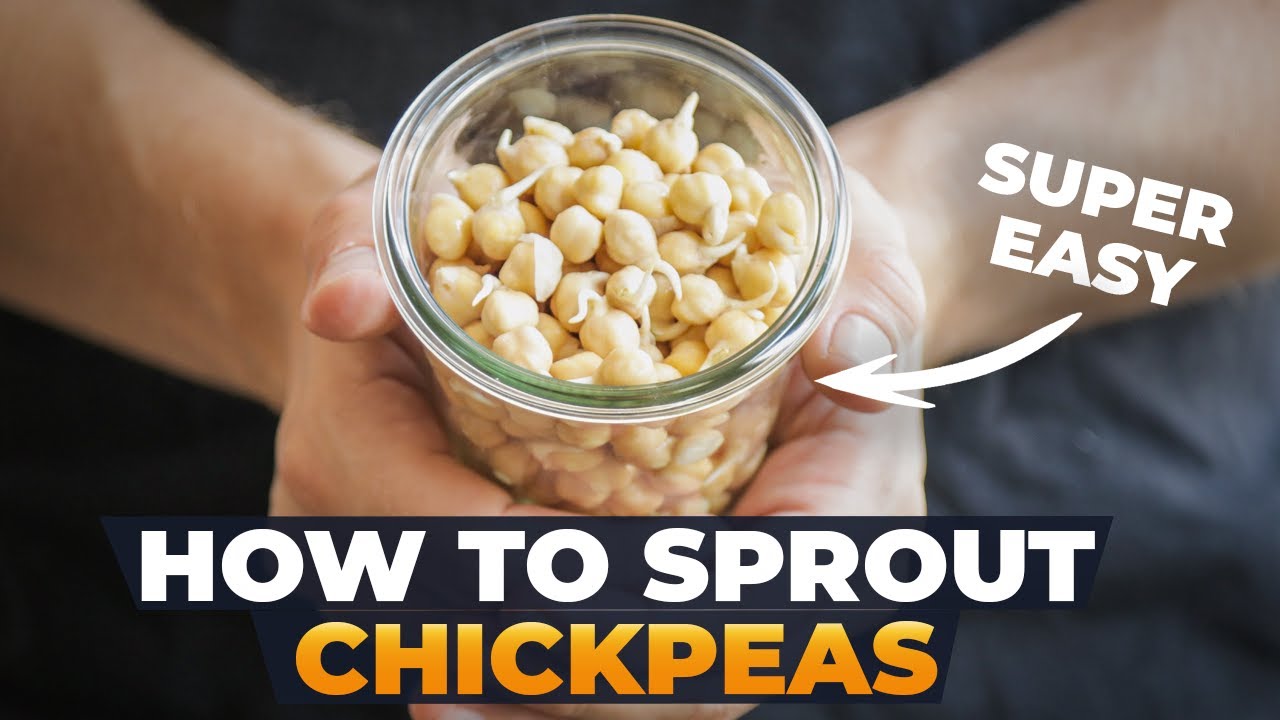
Next up is sprouting. Sprouted chickpeas have a slightly different taste compared to regular cooked ones – they’re nuttier and have a pleasant crunchiness. To sprout chickpeas for salads or stir-fries, soak dried chickpeas overnight in water and then rinse thoroughly before placing them in a damp cheesecloth-covered bowl. Leave the bowl in a warm spot for about 24-48 hours, rinsing the chickpeas every few hours until small sprouts emerge from the seeds. The sprouted chickpeas can be eaten raw or lightly sautéed.
Tempering with spices is another fantastic way to elevate the flavors of your homemade dishes featuring chickpea-based ingredients like chana masala or curry. Traditional Indian cooking often involves tempering spices such as cumin seeds, mustard seeds, coriander seeds, and fenugreek seeds in hot oil or ghee. This process releases the aromatic oils in the spices and adds depth and complexity to the dish. Simply heat a small amount of oil or ghee in a pan, add your chosen spices, and let them sizzle for a minute before incorporating them into your recipe.
Mashing chickpeas can also be an effective tempering technique. If you’re making falafel or veggie burgers, mashing some of the cooked chickpeas will help bind the ingredients together while adding texture. You can use a fork, potato masher, or even a food processor to achieve the desired consistency. By partially mashing chickpeas, you create pockets of creaminess within the dish that complement other ingredients beautifully.
Lastly, don’t forget about using fresh herbs as a tempering technique for your chickpea dishes. Herbs like parsley, cilantro, mint, and dill bring brightness and freshness to salads or dips like tabbouleh or tzatziki made with chickpeas as one of their main components. Chop up these herbs finely and toss them into your recipes just before serving to enhance both visual appeal and taste.
In conclusion, tempering techniques such as roasting, sprouting, spicing with traditional Indian flavors, mashing for texture enhancement, and adding fresh herbs are all simple yet effective ways to elevate homemade dishes featuring chickpeas. These techniques not only enhance the taste but also provide added nutritional value through increased variety in textures and flavors. So go ahead – get creative with your next batch of hummus or falafel by employing these tempering methods!

Leave a Reply